Orthopedic Surgery: What to Know Before, During, and After Your Procedure
When your knee, hip, or spine stops working the way it should, orthopedic surgery, a medical procedure to repair bones, joints, or connective tissues. Also known as bone and joint surgery, it’s often the turning point for people tired of constant pain and limited movement. This isn’t just about cutting and replacing parts—it’s about restoring function so you can walk, climb stairs, or play with your grandkids again. In India, where arthritis and joint wear are common due to lifestyle, genetics, and aging, orthopedic surgery has become a lifeline for millions.
It’s not for everyone. knee replacement, a common orthopedic surgery where damaged joint surfaces are swapped with artificial ones. Also known as total knee arthroplasty, it’s one of the most successful procedures in modern medicine. But before you sign up, you need to know: How bad does your knee have to be? Are you too young or too old? Can you try other options first? And what happens after the bandages come off? The answers aren’t one-size-fits-all. Your age, weight, activity level, and even your job all shape your path. Some people bounce back in weeks. Others need months. And some shouldn’t have the surgery at all. That’s why talking to a good orthopedic doctor, a specialist trained to diagnose and treat musculoskeletal conditions. Also known as bone and joint specialist, they aren’t just giving you a prescription—they’re helping you decide if surgery is the right move, or if physical therapy, braces, or injections might work better.
Recovery isn’t just about healing the cut—it’s about rebuilding strength, mobility, and confidence. The first few days after surgery are about managing pain and preventing infection. Then comes rehab: walking with help, doing simple exercises, learning how to shower safely without risking your new joint. Most people go home within a few days, but the real work happens over weeks and months. You’ll need to know the red flags—like sudden swelling, fever, or a leg that won’t move—because those can mean trouble. And yes, you’ll probably wonder how long you’ll be off work, whether you can drive, and if you’ll ever feel like yourself again.
What you’ll find here isn’t theory. It’s real talk from people who’ve been through it. We cover the checklist you need before your appointment, the exact timeline for getting back on your feet, the myths about age limits, and the surprising things no one tells you—like why you can’t shower right away, or how to tell if your pain is normal or dangerous. Whether you’re considering surgery, just had it, or are helping someone who did, this collection gives you the facts you need to make smart choices—and avoid the traps that slow down recovery.

Knee Replacement Recovery: When Can You Walk Normally Again?
Wondering when you can walk normally after knee replacement? Discover the recovery timeline, from first steps to a natural gait, and tips to speed up the process.
View More
How to Loosen Up a Stiff Knee After Knee Replacement Surgery: A Complete Guide
A practical guide on how to loosen a stiff knee after replacement surgery. Learn exercises, pain management, and timelines to regain range of motion safely.
View More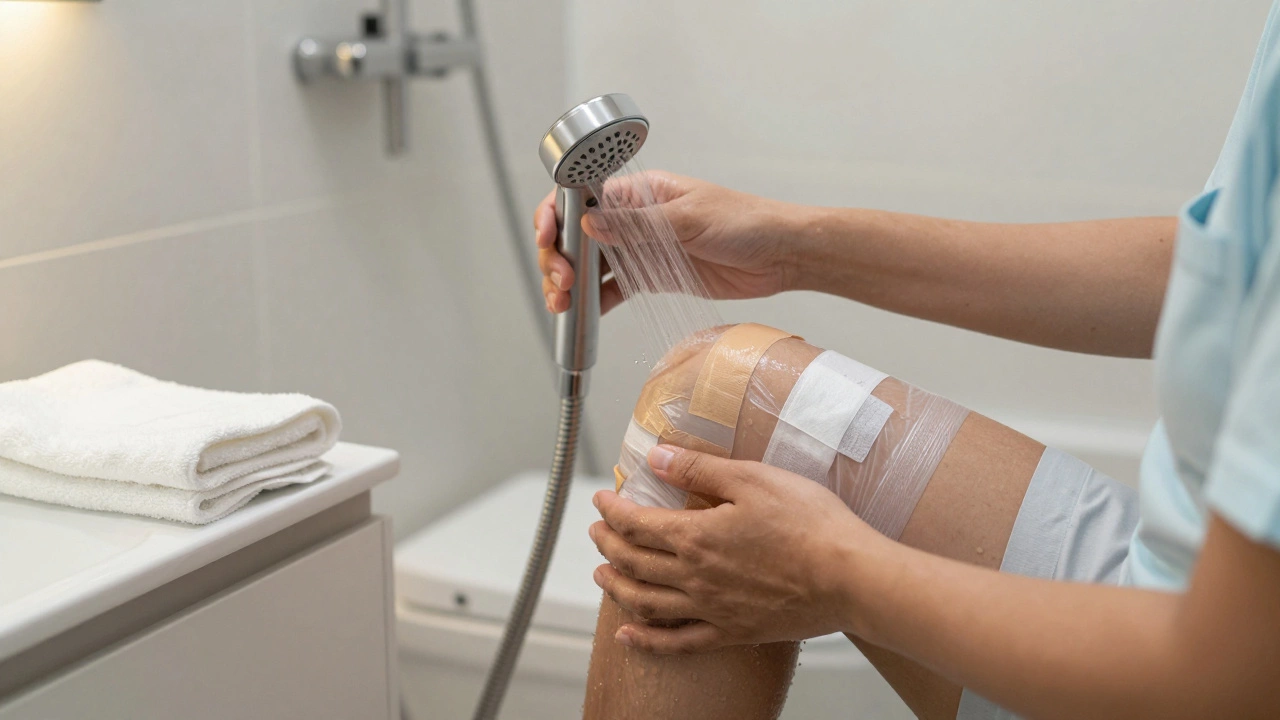
How Soon Can I Shower After Knee Replacement Surgery?
Most patients can shower 24-48 hours after knee replacement surgery if the dressing is waterproof. Follow proper technique to avoid infection and promote healing. Avoid soaking, scrubbing, or using hot water.
View More
What Do Orthopedics Take Care Of? A Clear Guide to Bone, Joint, and Muscle Care
Orthopedics takes care of bones, joints, muscles, and connective tissues. From fractures and arthritis to sports injuries and spinal issues, it offers both non-surgical and surgical solutions to restore movement and reduce pain.
View More
How Many Hours Does a Total Knee Replacement Take? Real-Time Insights from Surgeons
Most total knee replacements take 1 to 2 hours, but surgery time varies based on complexity, surgeon experience, and patient health. Learn what affects duration and how to prepare for the best outcome.
View More
What Are the Three Most Painful Surgeries? Real Experiences and Recovery Insights
Knee replacement, spinal fusion, and amputation are among the most painful surgeries due to nerve damage, long-term inflammation, and complex recovery. Learn why these procedures hurt more than expected-and how to manage the pain.
View More
Essential checklist: What to tell your orthopedic doctor
Learn exactly what to share with your orthopedic doctor - from symptom details to medical history, imaging, meds, and goals - to ensure faster, accurate treatment.
View More
Average Time Off Work After Total Knee Replacement Surgery
Learn typical time off work after total knee replacement, factors influencing leave length, and tips to return safely. Includes job‑type tables and FAQs.
View More
Knee Replacement Age Limit: Is There a Cut‑Off?
Explore why knee replacement has no strict age cut‑off, the factors doctors consider, alternatives for younger patients, and what to expect before and after surgery.
View More
Average Rehab Stay After Knee Replacement: Recovery Timeline & Helpful Tips
Curious how long rehab lasts after knee replacement? Get detailed answers, recovery timelines, real stats, and smart recovery tips inside.
View More
Why Can't You Shower After Knee Surgery? Real Talk on Water, Wounds, and Healing
Wondering why the simple act of showering is suddenly off-limits after knee surgery? You’re not alone. This article breaks down the practical reasons why surgeons put the brakes on showers, digs into the risks of water and germs, and gives you tips for keeping clean without risking your new knee. Find out how long you’ll have to wait, what you can do instead, and how people get creative with sponge baths and waterproof covers. Get answers to those awkward questions no one warns you about.
View More
Average Recovery Time After Knee Replacement – What to Really Expect
Wondering how long it really takes to bounce back after knee replacement? This article breaks down what affects recovery and what timelines to expect. Get clear tips for speeding up healing and avoiding setbacks. You'll learn about each recovery phase and how everyday habits make a difference. All the information is practical and honest—no sugarcoating here.
View MoreLatest Posts