
Medical Cost Estimator
Estimate Your Costs
Cost Comparison
U.S. Costs
Europe Costs
Important: Without travel insurance, you'll typically pay full costs in Europe but get treated immediately. U.S. insurance usually won't cover overseas care.
Every year, tens of thousands of Americans travel to Europe for vacation, business, or retirement. But what happens when something goes wrong? A broken bone on a Paris sidewalk. A sudden chest pain in Rome. A severe allergic reaction in Berlin. For many, the thought of needing hospital care in a foreign country brings up a flood of questions: Will they understand me? Can I afford it? Will I even get treated?
The short answer? You’ll likely get excellent care - but the system works nothing like what you’re used to back home.
Emergency Care: No Paperwork, No Wait
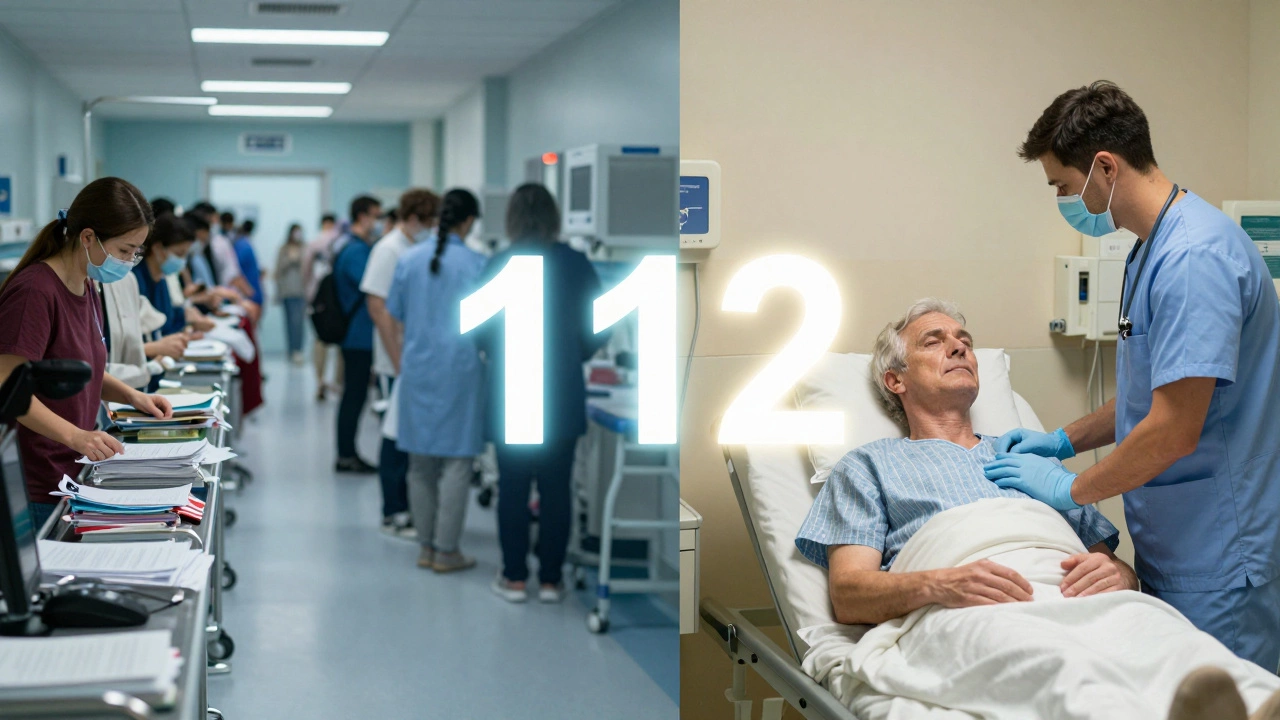
If you’re in a European country and you need urgent help, you go to the nearest hospital emergency room. No insurance card. No upfront payment. No forms to fill out before treatment. In countries like France, Germany, Spain, or Sweden, emergency care is guaranteed by law. Hospitals don’t turn people away because they can’t pay - not even tourists.
One American woman, Sarah, had a panic attack during a solo trip to Lisbon. She walked into a public hospital, told the nurse she was from the U.S., and was immediately seen. Within 20 minutes, she was in a quiet room with a doctor who spoke English. She didn’t pay a cent that day. The hospital later billed her insurance directly.
This isn’t charity. It’s how the system works. Most European countries have universal healthcare funded by taxes. Emergency care is treated as a human right, not a service you buy.
Costs: Surprisingly Lower - But Insurance Still Matters
Let’s be clear: hospital bills in Europe are far cheaper than in the U.S. A broken arm treated in Italy might cost $1,200. In the U.S., that same treatment could easily hit $15,000. A simple appendectomy in Germany? Around $4,000. In America? Often over $30,000.
But here’s the catch: your U.S. health insurance might not cover it. Many American plans only cover care within the U.S. network. If you’re in Europe and you need surgery, your insurer might refuse to pay - unless you have travel insurance with medical coverage.
That’s why nearly every American who travels long-term or frequently to Europe carries a travel insurance policy with medical evacuation and emergency coverage. Companies like Allianz, World Nomads, and GeoBlue offer plans specifically for Americans abroad. These policies typically cover hospital stays, ambulance transport, and even repatriation if needed.
Without travel insurance, you’ll still get treated - but you’ll get a bill later. And that bill, even if it’s $5,000 instead of $50,000, can still be a shock.
Language: Don’t Panic, But Prepare
Most European hospitals in tourist-heavy areas have staff who speak English. In cities like Amsterdam, Barcelona, or Vienna, you’ll find doctors, nurses, and receptionists who communicate fluently. In rural areas or smaller towns, it’s less guaranteed.
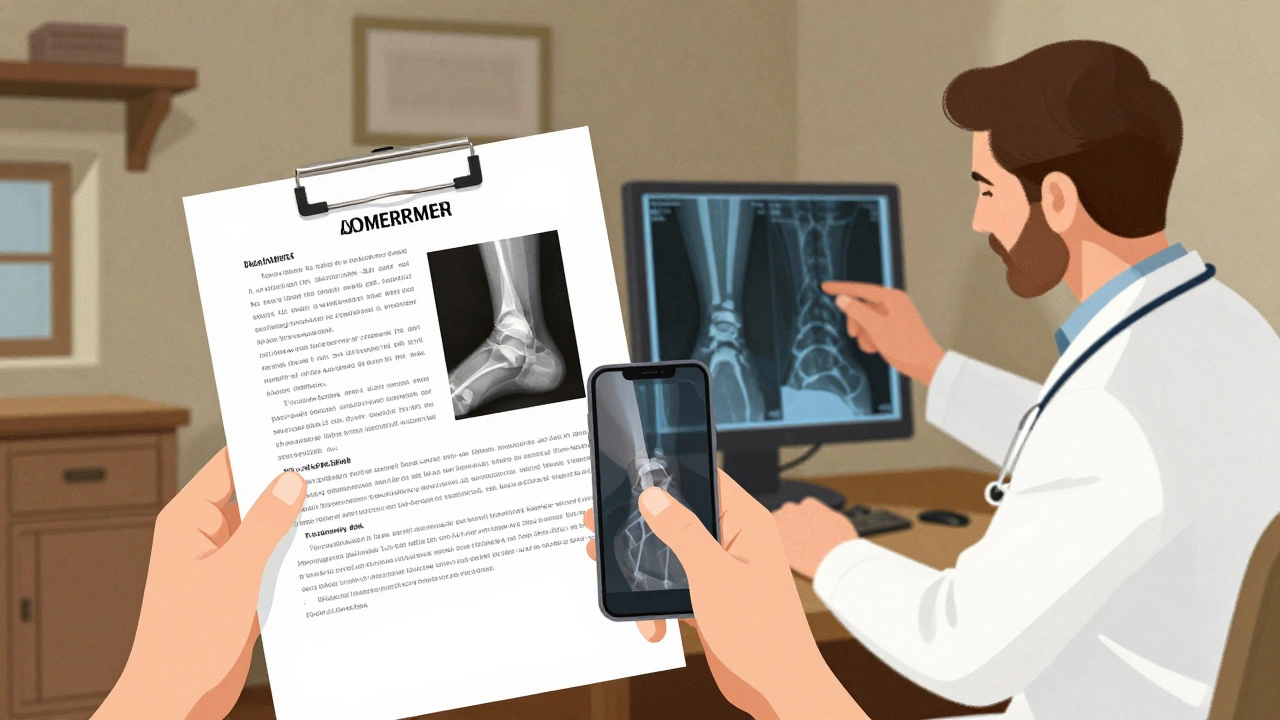
One American man, Mark, broke his ankle hiking in the Dolomites. The local hospital had no English-speaking staff. He used Google Translate to show a photo of his injury. The nurses understood. He got an X-ray, a cast, and pain meds. He didn’t speak a word of Italian.
Pro tip: Carry a printed phrase sheet or save a translation app offline. Phrases like “I need a doctor,” “I have chest pain,” or “I’m allergic to penicillin” in the local language can be lifesavers. Many hospitals also have interpreter services - just ask.
Prescriptions and Follow-Up Care
Getting a prescription in Europe is simple - but different. Doctors there don’t hand out stacks of pills like in the U.S. They’re more conservative. If you need antibiotics, you’ll likely get a small course - not a 30-day supply.
Pharmacies are everywhere. You can walk in, show your prescription, and get your meds. No prior authorization. No copay if you’re covered by local insurance (tourists usually pay full price). A 10-day course of amoxicillin might cost €15. In the U.S., it could be $50 with insurance.
Follow-up care is trickier. If you need a second appointment, you’ll likely have to schedule it in person. Many European clinics don’t offer telehealth for foreigners. Your best bet? Get a written summary of your treatment before you leave. Include diagnoses, medications, and doctor contact info. That’ll help your U.S. doctor pick up where Europe left off.
What About Medicare or Medicaid?
Medicare doesn’t cover care outside the U.S. - not even in emergencies. Medicaid is even more limited. If you’re on either program and you get sick abroad, you’re on your own. That’s why many retirees living in Spain or Portugal buy private international health insurance. It’s not expensive - often $100-$200 a month - and it gives peace of mind.
Some Americans with employer-sponsored insurance get international coverage. Check your plan. If you’re unsure, call your insurer before you leave. Ask: “Does my plan cover emergency care in Germany or France?” If the answer is no, buy travel insurance.
What Happens After You Go Home?
Once you’re back in the U.S., your American doctor will need to understand what happened. European medical records are digital and detailed - but they’re often in another language. You might get a discharge summary in English. If not, you can ask the hospital to translate it.
Some hospitals offer translation services for free. Others charge a small fee. It’s worth it. A clear record helps avoid duplicate tests, medication errors, or misdiagnoses.
Don’t assume your U.S. doctor knows how European hospitals work. They might not. Bring your paperwork. Explain what you were given. Show them the bill. They’ll appreciate it.
Real Stories, Real Lessons
John, 68, from Ohio, had a heart attack in Prague. He was rushed to a top-ranked hospital. He spent three days there. The staff spoke perfect English. He got angioplasty. The total bill: $11,000. His travel insurance paid $9,500. He paid $1,500 out-of-pocket. Back home, his U.S. cardiologist said, “You got treated better and cheaper than most Americans do.”
Lisa, 32, from Atlanta, got food poisoning in Barcelona. She went to a public ER. She was seen in 15 minutes. She got IV fluids and anti-nausea meds. No charge. Two weeks later, her insurance company sent her a reimbursement check for $320 - because she’d filed a claim with receipts.
The pattern? Europe’s system is efficient, affordable, and human-centered. The U.S. system is expensive, complex, and often delays care. But only one of them gives you care without asking for money first.
What You Should Do Before You Go
- Buy travel insurance with medical coverage - don’t skip it.
- Carry your insurance card, passport, and a list of medications.
- Save the local emergency number: 112 works in every EU country.
- Know where the nearest hospital is where you’re going.
- Take a photo of your insurance policy and emergency contacts on your phone.
You don’t need to be afraid. You just need to be prepared.