Cancer Shutdown Signs Guide
Identify Key Signs
Select the symptoms you're observing. This tool will help you understand what they mean and how to provide comfort.
Your Observations
When someone is nearing the end of life from cancer, the body doesn’t shut down all at once. It’s a slow, quiet process - one that often happens over days or weeks. Families often notice changes before doctors do. These aren’t sudden emergencies. They’re signals the body is redirecting energy away from nonessential functions to focus on survival. Recognizing these signs doesn’t mean giving up. It means preparing - for comfort, for presence, for peace.
Loss of Appetite and Thirst
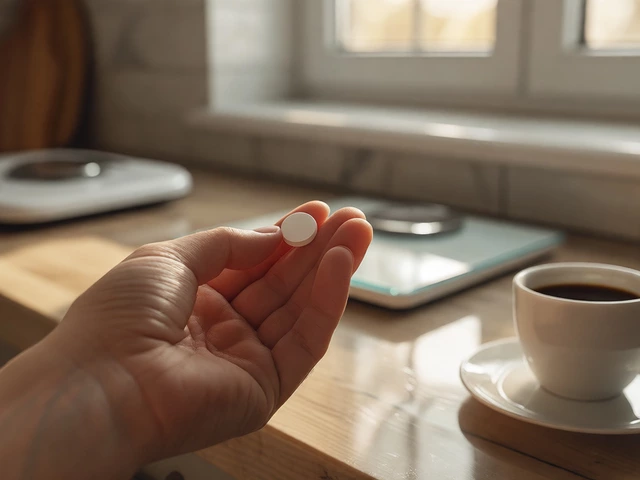
One of the earliest signs is a sudden disinterest in food and drink. This isn’t just a bad day. It’s a deep, unshakable lack of hunger. Even favorite meals don’t appeal. Water tastes flat. Coffee feels heavy. The body stops signaling hunger because digestion requires energy it can no longer spare. This isn’t about willpower. It’s biology. The digestive system slows. The liver and kidneys reduce activity. Forcing food or fluids at this stage can cause discomfort, bloating, or even aspiration. Swallowing becomes harder. Saliva thickens. The body is conserving every ounce of energy for breathing, circulation, and brain function.Increased Sleep and Reduced Awareness
Sleep patterns shift dramatically. The person may sleep 18 to 20 hours a day. They drift in and out of consciousness. When awake, they seem distant - as if listening to a faraway radio station. They might not recognize loved ones. Names slip. Conversations feel like echoes. This isn’t confusion from dementia. It’s the brain conserving energy. Blood flow shifts away from higher-thinking regions toward the brainstem. The body is prioritizing basic functions. Don’t mistake this for indifference. They may still feel your hand on theirs, even if they can’t say your name.Cold Extremities and Skin Changes
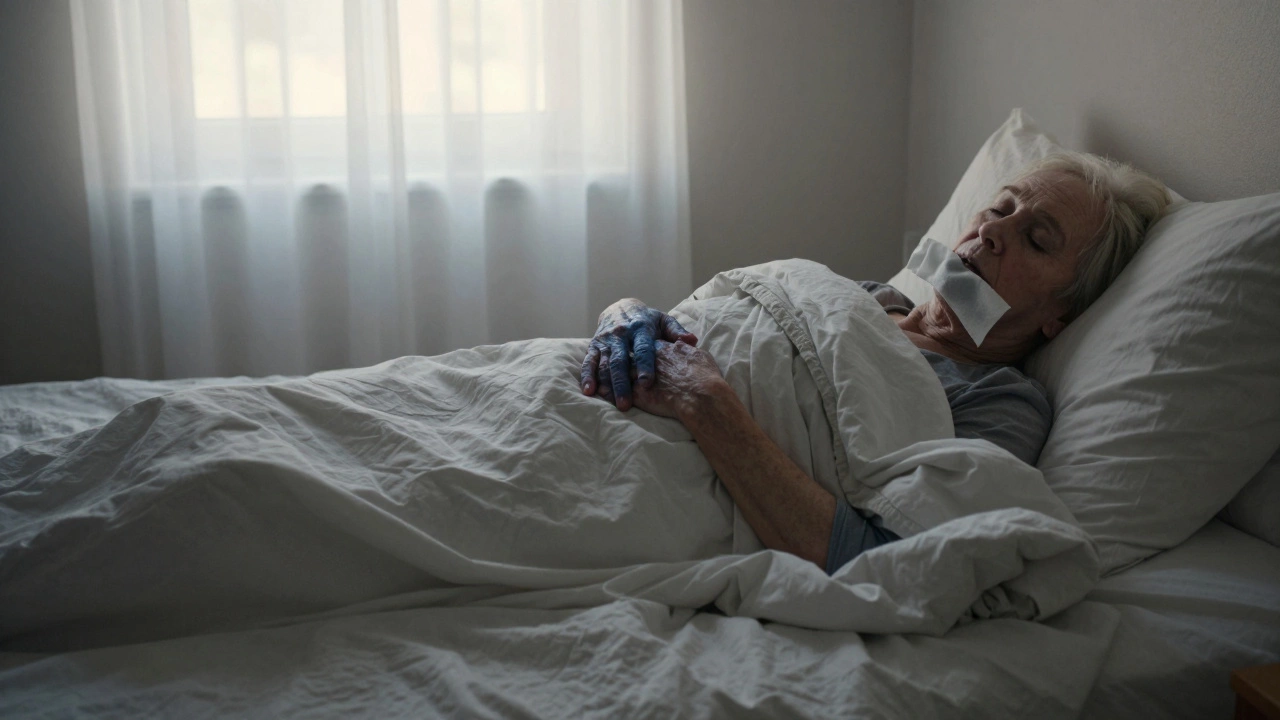
Hands and feet turn cold. Blue or purplish patches appear on the skin, especially around the knees, fingers, and lips. This is called mottling. It happens because circulation slows. The heart can’t pump blood as strongly. Blood is pulled inward - away from the skin and limbs - to protect the heart and brain. The skin may feel clammy or dry. It loses its usual glow. Urine output drops. The body stops processing waste. These aren’t signs of infection. They’re signs of shutdown.
Irregular Breathing
Breathing changes. It becomes shallow. Then it pauses. Then it returns. This is called Cheyne-Stokes breathing. You’ll notice long gaps - 10, 20, even 30 seconds - between breaths. Then a few quick, shallow breaths. It can look alarming, but it’s not painful. The brain is losing its ability to regulate breathing rhythm. Oxygen levels drop. Carbon dioxide builds up. The body doesn’t panic. It just adjusts. This pattern often increases in the final 24 to 48 hours. It’s not choking. It’s not suffocating. It’s the body’s final rhythm.Decreased Communication and Withdrawal
They stop talking. Not because they’re angry or tired of you. But because language requires energy. The brain is shutting down speech centers. They may open their mouth to speak, then close it again. They might stare at a wall, a window, or a photo. This isn’t detachment. It’s redirection. The mind is turning inward. Some people report seeing loved ones who have passed. Others whisper names from long ago. These aren’t hallucinations from delirium. They’re part of the dying process. Many cultures call this a “life review.” The mind is sorting, letting go.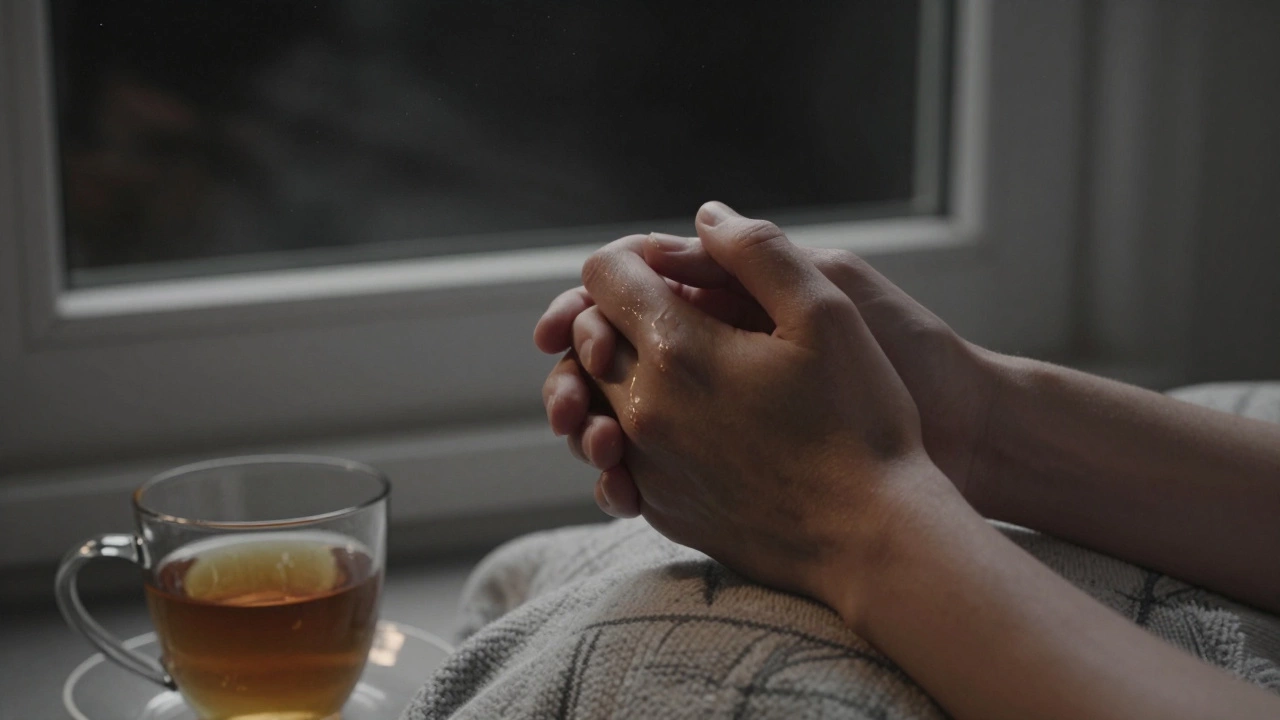
Drop in Blood Pressure and Heart Rate
Blood pressure falls. The pulse weakens. The heart doesn’t stop suddenly. It slows, strains, then beats irregularly. You might notice the pulse in the wrist or neck fading. It becomes hard to find. This is because the heart is no longer pumping with force. Blood pressure drops below 90/60. Oxygen delivery to organs slows. Kidneys stop filtering. The liver stops detoxifying. The body is closing down systems one by one. This isn’t failure. It’s a natural sequence.Changes in Skin Temperature and Sweating
Sudden sweating - even when the room is cool - is common. The skin may feel hot to the touch, while the hands remain icy. This happens because the body loses its ability to regulate temperature. The hypothalamus, which controls heat, is no longer sending clear signals. Sweating isn’t from fever. It’s from internal collapse. The body is trying to cool itself as metabolism slows. This can be mistaken for infection. But there’s no fever spike. No chills. Just unexplained, intermittent sweating.Final Moments: The Quiet Pause
In the final hours, breathing becomes even shallower. The gaps between breaths grow longer. The pulse fades. The skin turns pale. The eyes may stay open, but they don’t focus. There’s no cry. No gasp. Often, the last breath is quiet - a sigh, almost. The body simply stops. This moment isn’t dramatic. It’s gentle. It’s the body’s final act of self-care. There’s no pain. No struggle. Just stillness.These signs aren’t a countdown. They’re a map. A map that helps families know when to hold on, when to let go, and when to just be there. You don’t need to fix anything. You don’t need to say the right thing. Just sit with them. Hold their hand. Whisper their name. Play their favorite song. The body is shutting down. But love? That doesn’t shut down. It only grows quieter, until it becomes the only thing left.
Are these signs the same for all types of cancer?
Yes, the core signs - loss of appetite, increased sleep, cold extremities, irregular breathing, and decreased awareness - are similar across most advanced cancers. Whether it’s lung, pancreatic, breast, or prostate cancer, the body’s shutdown process follows the same biological pattern. What differs is the timeline. Some cancers progress faster. Others linger for months. But the final stages look remarkably alike because they’re driven by the same physiological shift: the body prioritizing survival over function.
Does giving water or food help in the final days?
No. Forcing fluids or food in the final days can cause more harm than good. The digestive system has slowed to a near stop. Swallowing becomes risky. Fluids can pool in the lungs. Food can cause bloating or nausea. The body isn’t using nutrients anymore. It’s conserving energy. A damp cloth on the lips or small ice chips for comfort are enough. The goal isn’t nourishment - it’s comfort. Let the body decide what it needs.
Why do people see loved ones who have passed away?
This is a well-documented phenomenon called end-of-life visioning. As brain activity changes, people often report seeing deceased relatives, pets, or religious figures. It’s not hallucination from drugs or delirium. Studies show it occurs even in patients not on pain medication. Experts believe it’s the brain’s way of processing transition. These visions bring comfort. They’re not a sign of mental decline. They’re a sign of peace.
Is pain common in the final stages?
Not if pain is managed. Most people experience little to no pain in the final days when they’re under proper palliative care. Pain from cancer often decreases as tumors stop growing and inflammation drops. The body’s natural painkillers - endorphins - rise. If discomfort exists, it’s usually from pressure, swelling, or dryness - not tumor growth. Medications like morphine, lorazepam, or scopolamine patches can keep someone completely comfortable. Pain isn’t inevitable. It’s treatable.
How long does the final shutdown take?
It varies. For some, the signs appear over a few days. For others, it takes weeks. On average, the final phase - when clear shutdown signs begin - lasts between 3 and 10 days. The last 24 to 48 hours are usually when breathing changes and consciousness fades most noticeably. There’s no set timeline. Each body moves at its own pace. What matters isn’t how long, but how peacefully they’re supported during that time.