Orthopedic Symptom Assessment Tool
This tool helps you assess your musculoskeletal symptoms based on information from our article. Answer the questions below to receive personalized guidance on whether you should see an orthopedic specialist.
Your Assessment
Next Steps:
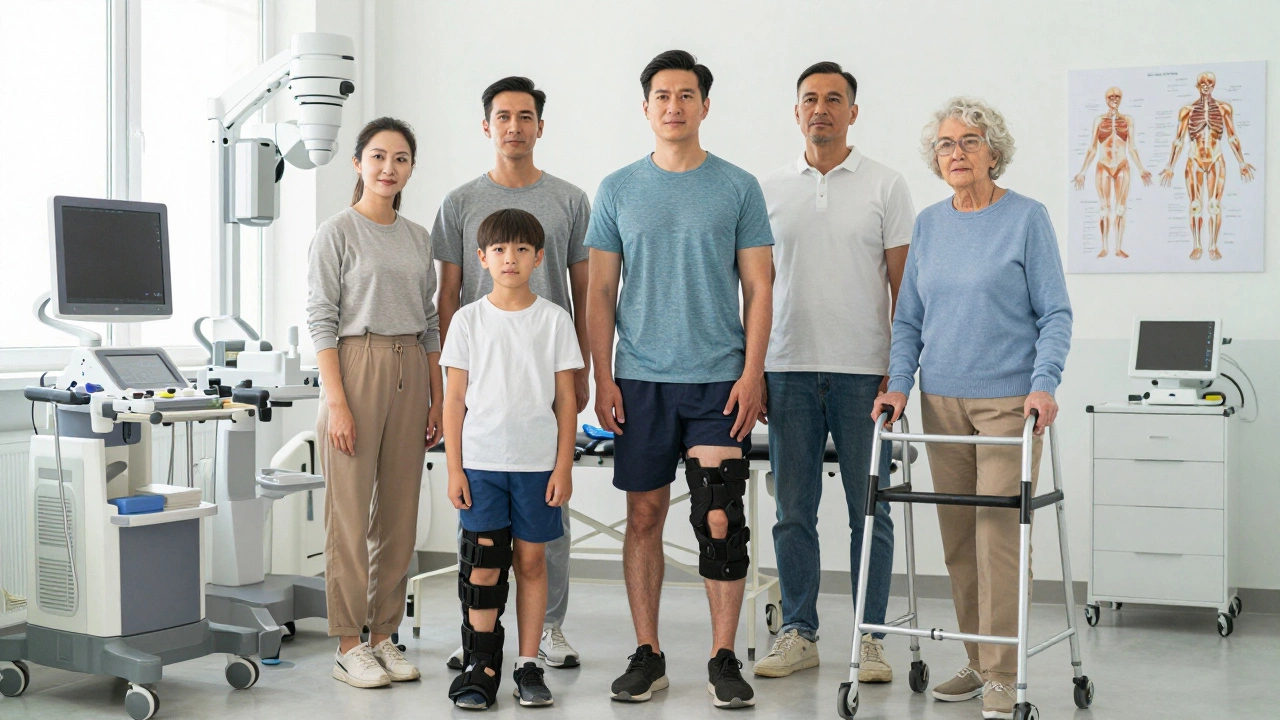
When you twist your ankle playing soccer, feel a sharp ache in your knee after years of running, or can’t lift your arm because of shoulder stiffness - you’re not just dealing with discomfort. You’re likely facing something orthopedics specializes in. Orthopedics isn’t just about broken bones. It’s the full spectrum of care for your musculoskeletal system: bones, joints, ligaments, tendons, muscles, and even nerves that control movement.
What Exactly Is Orthopedics?
Orthopedics is a medical field focused on diagnosing, treating, and preventing injuries and diseases of the musculoskeletal system. This includes everything from a child’s growing bones to an older adult’s worn-out knee joint. Think of your body’s framework - the structure that lets you walk, bend, lift, and run. That’s what orthopedics takes care of.
It’s not just surgery. While many people assume orthopedics means operations, most cases are handled with non-surgical methods first. Physical therapy, braces, medications, injections, and lifestyle changes are common tools. Surgery only comes in when those don’t work or when the injury is too severe - like a torn ACL, a complex fracture, or advanced arthritis.
What Conditions Do Orthopedic Specialists Treat?
Orthopedic doctors see a wide range of issues. Here’s a breakdown of the most common ones:
- Bone fractures and breaks - From simple wrist fractures in kids to complex pelvic breaks in car accidents. These aren’t just about healing the bone; they’re about restoring alignment so it heals right.
- Joint pain and arthritis - Osteoarthritis from wear and tear, rheumatoid arthritis from immune issues, gout from uric acid crystals. These cause swelling, stiffness, and loss of motion. By age 65, over half of adults have some form of joint arthritis.
- Tendon and ligament injuries - Think of a torn Achilles tendon, a sprained ankle, or a torn rotator cuff in the shoulder. These soft tissues connect muscle to bone and stabilize joints. When they fail, movement becomes painful or impossible.
- Spinal conditions - Herniated discs, spinal stenosis, scoliosis, and degenerative disc disease. These affect posture, nerve function, and can cause radiating pain down the arms or legs.
- Muscle disorders - Strains, tears, and chronic conditions like muscular dystrophy. Muscle weakness or pain that doesn’t improve with rest often needs orthopedic evaluation.
- Sports injuries - ACL tears, stress fractures, shin splints, tennis elbow. Athletes of all ages - from teens to seniors - rely on orthopedics to get back in the game.
- Congenital and developmental issues - Clubfoot in babies, hip dysplasia in children, scoliosis in teens. Early intervention can prevent lifelong disability.
Some patients come in with numbness or tingling in their hands or feet. While neurologists handle brain and nerve diseases, orthopedic specialists often treat compressed nerves caused by bone spurs, herniated discs, or carpal tunnel syndrome - all of which are mechanical issues rooted in the musculoskeletal system.
How Do Orthopedic Doctors Diagnose?
It starts with a conversation. They ask about how the pain started, when it happens, what makes it worse or better. Then comes a physical exam: checking range of motion, muscle strength, swelling, and alignment.
Imaging is key. X-rays show bone structure and fractures. MRIs reveal soft tissue damage - torn ligaments, disc problems, or early cartilage wear. CT scans give detailed 3D views of complex fractures. Ultrasound helps see tendons and fluid buildup in real time.
Some cases need nerve conduction tests to check if a pinched nerve is causing pain. Blood tests may rule out infection or autoimmune diseases like rheumatoid arthritis. The goal isn’t just to label the problem - it’s to understand how it affects movement and daily life.
Non-Surgical Treatments: The First Line of Defense
Most orthopedic problems don’t need surgery. In fact, studies show that over 70% of patients with common joint pain improve with non-surgical care.
- Physical therapy - Custom exercises to rebuild strength, improve flexibility, and restore function. A physical therapist might teach you how to move differently to protect your knee or shoulder.
- Bracing and supports - Knee braces for arthritis, wrist splints for carpal tunnel, back supports for spinal instability. These aren’t just for athletes - they’re everyday tools for pain relief.
- Injections - Cortisone shots reduce inflammation in joints. Hyaluronic acid injections lubricate worn-out knees. Nerve blocks help diagnose and temporarily relieve pain.
- Medications - Anti-inflammatories, muscle relaxants, or even low-dose antidepressants for chronic pain. These help manage symptoms while other treatments take effect.
- Lifestyle changes - Losing weight to reduce pressure on knees, switching from running to swimming, improving posture at work. Small changes can make a huge difference.
Many people delay seeing an orthopedic doctor because they think they need surgery. But the truth is, most patients never go under the knife. The real value of orthopedics is in preventing problems from getting worse.
When Surgery Becomes Necessary
Surgery is not a failure - it’s a solution when other options have been tried or when the damage is too severe to heal otherwise.
Common orthopedic surgeries include:
- Knee replacement - Replacing a worn-out joint with an artificial one. Over 1 million knee replacements are done in the U.S. each year, mostly in people over 60.
- Hip replacement - Similar to knee replacement, it restores mobility for people with severe arthritis or fractures.
- ACL reconstruction - Rebuilding a torn ligament in the knee using a graft. Common in athletes, but also in active adults who twist their knees.
- Spinal fusion - Joining two or more vertebrae to stop painful motion. Used for severe disc disease or instability.
- Fracture repair - Using plates, screws, or rods to hold broken bones in place while they heal.
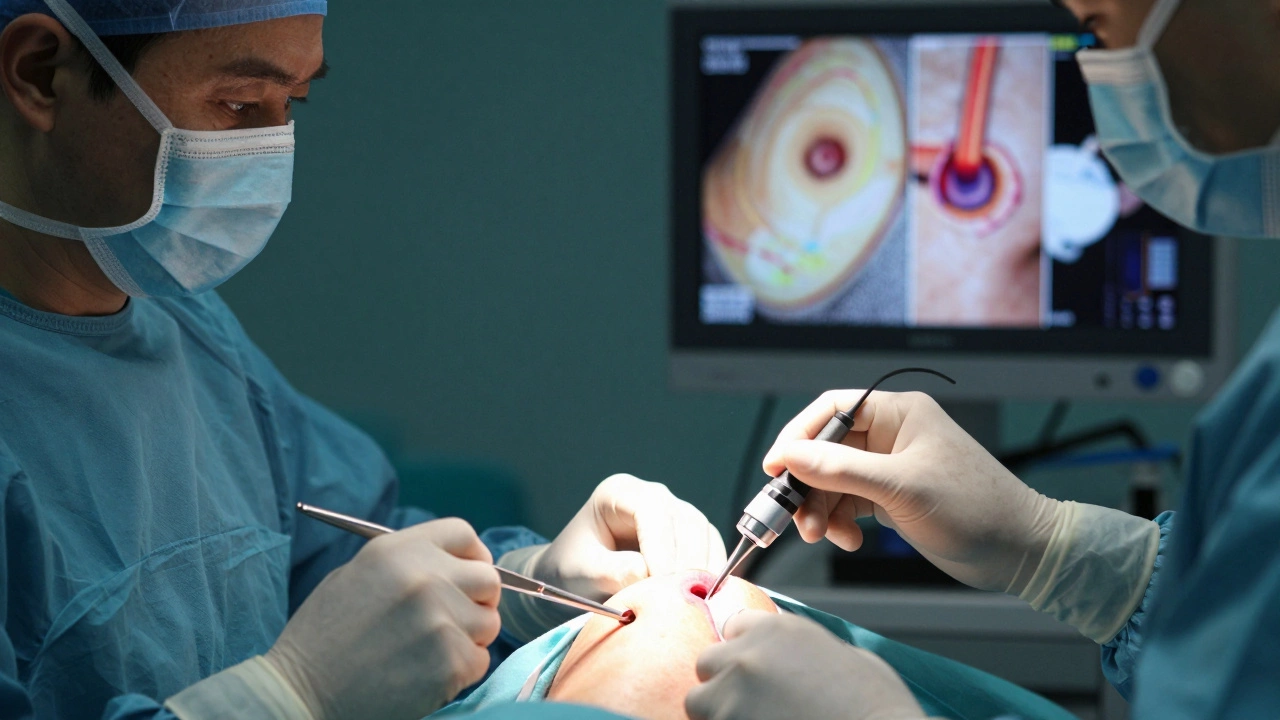
Modern techniques like arthroscopy - using a tiny camera and small incisions - mean faster recovery. Many patients walk the same day after knee or shoulder arthroscopy.
Who Needs an Orthopedic Specialist?
You don’t need to wait until you’re in agony. Consider seeing one if:
- Your pain lasts more than two weeks despite rest and over-the-counter meds.
- You can’t move a joint without pain or stiffness.
- You’ve had a fall or injury and aren’t improving after a few days.
- Your job or hobbies are affected - like struggling to carry groceries, climb stairs, or play with your kids.
- You have numbness, tingling, or weakness in your limbs.
Children with uneven leg lengths, limping, or growing pains that don’t go away should also be evaluated. Early treatment can prevent lifelong issues.

Orthopedics Isn’t Just for Older People
It’s a myth that orthopedics is only for seniors. Teen athletes tear ACLs. Office workers get carpal tunnel. Construction workers break bones. Even toddlers need orthopedic care for hip or foot problems.
There’s a growing number of patients under 40 seeking help for early joint degeneration, often from overuse, poor posture, or past injuries that were never properly treated. The sooner you address the problem, the better your long-term outcomes.
What Happens After Treatment?
Recovery doesn’t end when you leave the clinic. Whether you had a shot, a brace, or surgery, rehab is critical. Skipping physical therapy increases the chance of re-injury.
Follow-up visits track progress. X-rays or MRIs may be repeated to confirm healing. Adjustments to your activity level, footwear, or work setup are often needed. Many orthopedic clinics offer long-term care plans - not just quick fixes.
For chronic conditions like arthritis, ongoing management is part of life. Regular check-ins, activity modifications, and occasional injections help maintain quality of life for years.
Final Thought: Don’t Ignore the Signs
Pain is your body’s alarm system. Ignoring joint pain, stiffness, or weakness doesn’t make it go away - it just gives it time to get worse. Orthopedics isn’t about waiting for a crisis. It’s about keeping your body moving, strong, and pain-free for as long as possible.
If you’ve been living with discomfort, you don’t have to accept it. Help is available - and it starts with a simple conversation with an orthopedic specialist.
What parts of the body does orthopedics treat?
Orthopedics treats the entire musculoskeletal system - bones, joints, ligaments, tendons, muscles, and nerves that control movement. This includes everything from your spine and hips to your fingers and toes.
Do orthopedic doctors only do surgery?
No. Most orthopedic problems are treated without surgery. Doctors use physical therapy, braces, injections, medications, and lifestyle advice first. Surgery is only considered when those options don’t work or the injury is too severe.
When should I see an orthopedic specialist?
See one if pain lasts more than two weeks, you can’t move a joint normally, you’ve had an injury that isn’t improving, or you have numbness, tingling, or weakness in your arms or legs. You don’t need to wait until it’s unbearable.
Can children need orthopedic care?
Yes. Children can have congenital conditions like clubfoot, developmental issues like hip dysplasia, or sports injuries. Early treatment helps prevent long-term mobility problems.
Is joint replacement only for older people?
No. While most joint replacements happen in people over 60, younger adults with severe arthritis, trauma, or genetic conditions are also candidates. The goal is to restore function, no matter your age.