Test-Tube Baby: What It Really Means and How IVF Works in India
When people say test-tube baby, a child conceived through in vitro fertilization where egg and sperm meet outside the body. Also known as IVF baby, it’s not science fiction—it’s a routine medical option for millions of couples facing infertility in India. The term sounds old-fashioned, like something from a 1970s movie, but today’s test-tube baby process is precise, monitored, and far more advanced than the name suggests. No actual test tubes are used. Instead, eggs are retrieved from the ovaries, mixed with sperm in a lab dish, and the best embryos are placed back into the uterus. It’s not magic. It’s biology guided by science.
This process is part of a bigger group called in vitro fertilization, a medical procedure where fertilization happens outside the body, often shortened to IVF, the most common form of assisted reproductive technology. IVF isn’t just for women with blocked tubes. It helps men with low sperm count, couples with unexplained infertility, older women trying to conceive, and even same-sex couples using donor eggs or sperm. In India, IVF centers in cities like Mumbai, Delhi, and Bangalore are now as common as dental clinics. But success isn’t guaranteed. It depends on age, egg quality, clinic experience, and how many cycles you’re willing to try. About 30-40% of IVF cycles result in live births for women under 35. That number drops to under 15% after 40.
People often ask: Do IVF babies look like their parents? Can you choose the baby’s gender? Is it safe? The answers aren’t simple. Genetically, if you use your own egg and sperm, the baby will resemble you—just like any other child. Gender selection is allowed in India only for medical reasons, not preference. And while IVF is generally safe, it carries risks like multiple pregnancies, ovarian hyperstimulation, and emotional stress. That’s why choosing a licensed clinic with transparent success rates matters more than price.
What you’ll find in the posts below isn’t just a list of articles. It’s real talk from people who’ve been through it. You’ll read about how many IVF cycles are usually needed, what happens to the baby’s genetics if donor eggs are used, and why some couples succeed on the first try while others need five. There’s no sugarcoating. Just facts, experiences, and the kind of clarity you need when you’re standing at the edge of a big decision.
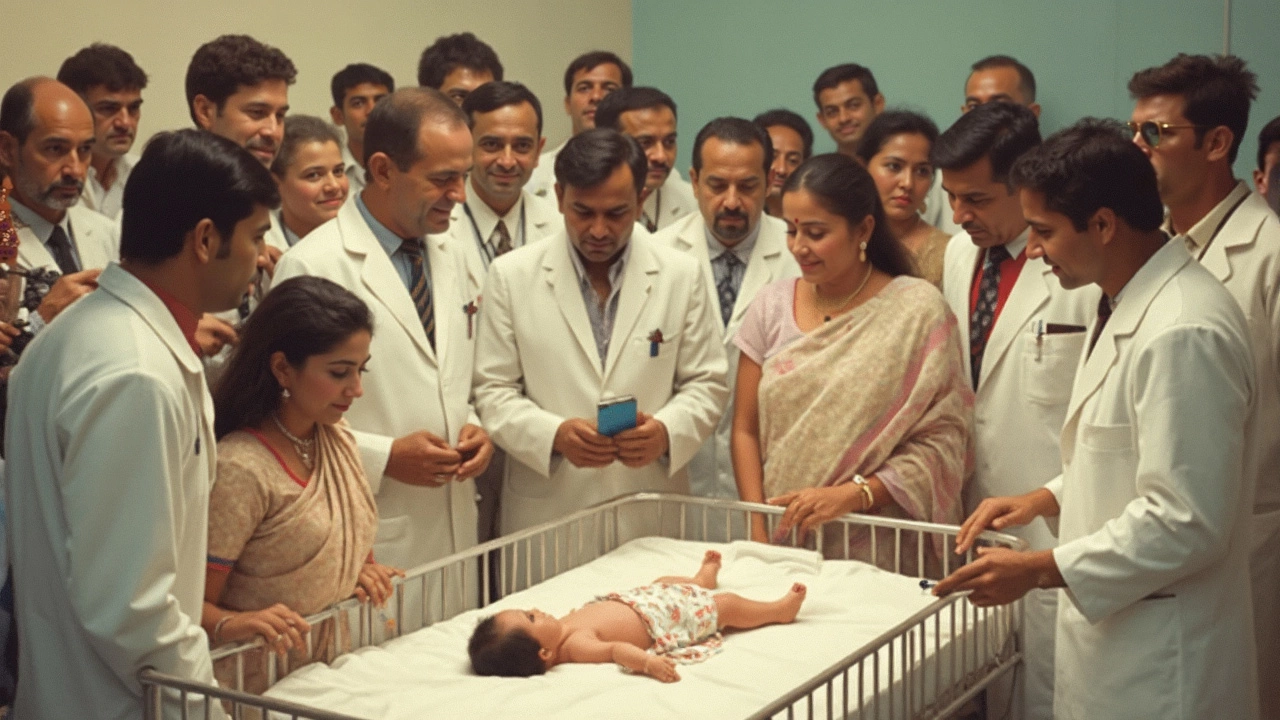
Who is the Most Famous IVF Baby? A Look at History's First Test-Tube Child
Wondering who the most famous IVF baby is? This article reveals the surprising story behind the world's first test-tube child, dives into how her birth made history, and explores what life has been like for her since. It also explains why Louise Brown became such a big deal for families struggling with fertility. Find out how her story changed the conversation around IVF and opened the doors for millions of kids born this way.
View MoreLatest Posts