Herbal Interaction Checker
Select two or more herbs to check for known dangerous interactions based on the safety guide.
Disclaimer: This tool is for educational purposes based on the article provided. It is not a substitute for professional medical advice. Always consult a healthcare provider or pharmacist before mixing supplements.
You might think that because a plant grows in your backyard, it is automatically safe to use in any quantity or combination. But here is the truth: mixing the wrong herbs can be as risky as mixing the wrong prescription drugs. When you combine certain botanicals, you aren't just adding their benefits; you might be triggering a chemical reaction that puts a massive strain on your liver or causes your blood pressure to plummet.
Quick Safety Guide: Herbs to Watch
- Avoid combining blood-thinning herbs (like Garlic or Ginkgo) with other anticoagulants.
- Be cautious with stimulants (like Ephedra or Bitter Orange) paired with caffeine.
- Skip the mix of sedatives (like Valerian) and alcohol or pharmaceutical sleep aids.
- Check for liver-taxing herbs (like Kava) when using other hepatotoxic substances.
The Blood-Thinning Danger Zone
One of the most common mistakes people make is mixing multiple herbs that act as natural anticoagulants. When you take one herb that thins the blood, it's usually fine. But when you stack them, you risk spontaneous bruising or internal bleeding because your blood simply can't clot fast enough.
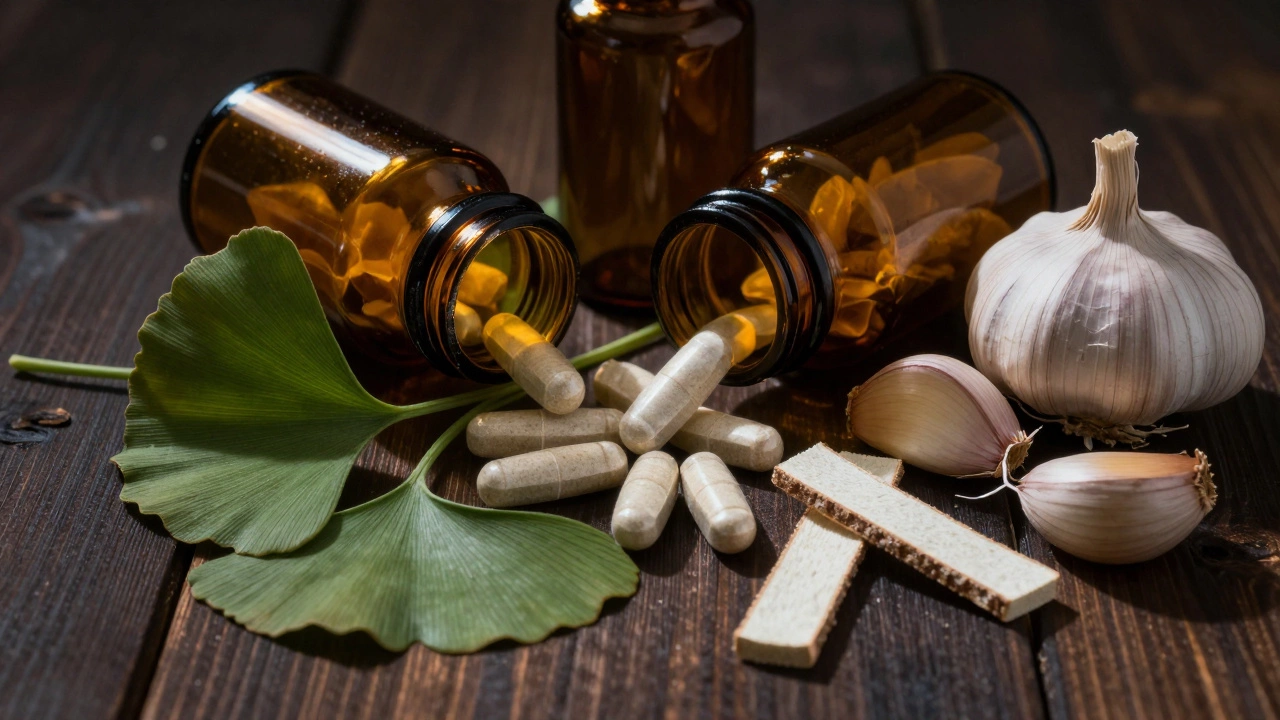
Take Ginkgo Biloba is a botanical extract from the maidenhair tree used to improve cognitive function and blood flow . If you pair Ginkgo with Garlic (in concentrated supplement form), you are doubling the effect on your platelets. If you add White Willow Bark, which contains salicin (the natural precursor to aspirin), you've created a cocktail that significantly increases the risk of gastrointestinal bleeding. Imagine having a small cut that won't stop oozing or developing unexplained bruises on your arms-that's the result of too many "natural" blood thinners working at once.
Mixing Stimulants and Heart Stressors
If you're trying to boost your energy or lose weight, you might be tempted to stack different "energizing" herbs. This is where things get dangerous for your heart. Many people don't realize that certain herbs act as sympathomimetics, meaning they mimic the effect of adrenaline.
Consider Bitter Orange, which contains p-synephrine. When this is mixed with high doses of caffeine or Ephedra (though banned in many places, it still appears in grey-market supplements), it can lead to severe hypertension and tachycardia. Your heart rate spikes, your blood pressure climbs, and you might experience heart palpitations. This isn't just "jitteriness"; it's an actual strain on the cardiovascular system that can lead to a cardiac event in predisposed individuals.
| Herb A | Herb B | Primary Risk | Body System Affected |
|---|---|---|---|
| St. John's Wort | Ginkgo Biloba | Increased Seizure Risk | Central Nervous System |
| Valerian Root | Kava Kava | Extreme Sedation | Neurological |
| Garlic | Ginger | Excessive Bleeding | Hematological |
| Licorice Root | Ephedra | High Blood Pressure | Cardiovascular |
The Sedation Trap: Over-Relaxing Your System
When we want to sleep or reduce anxiety, we often reach for nature's pharmacy. However, mixing different sedatives can lead to a state of over-sedation that affects your breathing and cognitive function.
For example, Valerian Root is a sedative herb often used for insomnia and anxiety . If you combine this with Kava Kava, a root from the South Pacific used for muscle relaxation, you might experience a synergistic effect. This sounds good in theory, but in practice, it can make you dangerously drowsy. If you then add a glass of wine or a prescription benzodiazepine, you're suppressing your central nervous system to a point where your reaction time vanishes and your respiratory rate may drop.

Liver Toxicity and Chemical Overload
Your liver is the primary filter for everything you ingest. Some herbs are hard on the liver individually, but when mixed, they can cause acute liver failure. This is often a "silent" danger because you don't feel the damage until it's too late.
Kava is well-known for potential hepatotoxicity. When you mix it with other herbs that are processed through the same cytochrome P450 enzymes in the liver-like certain species of Comfrey (which contains pyrrolizidine alkaloids)-you are essentially clogging the filter. The liver cannot clear the toxins efficiently, leading to a buildup of harmful substances in the bloodstream. Always check if an herb is known to be "hepatotoxic" before adding it to a blend.
The Metabolic Interference of St. John's Wort
If there is one herb that acts like a "wrecking ball" for other supplements and medications, it is St. John's Wort. It doesn't just interact with one or two things; it changes how your body processes almost everything.
This herb induces a specific enzyme in the liver that speeds up the breakdown of other substances. If you take St. John's Wort alongside other herbal extracts designed for mood or hormone balance, the St. John's Wort may actually clear those herbs out of your system before they can even work. You aren't getting the benefit of the second herb, and you're potentially creating an unstable chemical environment in your gut and liver. It's the ultimate herb interactions culprit because it makes other supplements unpredictable.
How to Mix Herbs Safely
You don't have to be afraid of herbal teas or supplements, but you do need a strategy. The biggest mistake is "blind stacking," where you just take everything that looks helpful for a specific symptom. Instead, follow a few simple rules of thumb.
First, introduce one new herb at a time. Wait at least two weeks before adding another. This lets you know exactly which plant is causing a reaction if you suddenly develop a rash or a headache. Second, keep a written log of your supplements, including the dosage. If you end up at the doctor, they need to know that you're taking 500mg of Garlic and 120mg of Ginkgo, not just "some vitamins." Third, prioritize single-ingredient supplements over "proprietary blends." Blends often hide the actual amounts of each herb, making it impossible to know if you're hitting a dangerous threshold.
Can I mix herbal teas together?
Generally, mild herbal teas like chamomile and peppermint are safe to mix. However, if the tea contains potent medicinal herbs like St. John's Wort, Licorice root, or high doses of Sage, you should treat them like supplements and check for interactions. For most people, a standard blend of peppermint, ginger, and lemon is perfectly safe.
What happens if I mix blood-thinning herbs by mistake?
If you notice unusual bruising, bleeding gums when brushing your teeth, or a small cut that won't stop bleeding, stop taking the supplements immediately. These are signs that your blood's clotting ability is compromised. Consult a healthcare provider to ensure you don't have internal bleeding.
Are all herbal interactions permanent?
No. Most herbal interactions are pharmacological, meaning they happen while the substance is in your system. Once the herbs are metabolized and cleared from your body, the interaction ends. However, some liver damage caused by toxic combinations can be permanent if not treated quickly.
Is it safe to mix herbs with prescription meds?
This is the highest risk category. For example, mixing St. John's Wort with antidepressants can lead to Serotonin Syndrome, a life-threatening condition. Always run your herbal list by a pharmacist or doctor, as herbs can either block a drug's effectiveness or make it dangerously potent.
Why do some people have no reaction while others do?
Genetics play a huge role in how your liver enzymes (specifically the CYP450 family) process chemicals. Some people are "slow metabolizers," meaning herbs stay in their system longer and are more likely to interact. Others process them quickly, reducing the risk of accumulation.
Next Steps for Your Wellness Routine
If you are currently taking a handful of different supplements, it might be time for a "supplement audit." Start by listing every herb, tincture, and vitamin you take. Check each one against a known interaction database or bring the list to your next pharmacy visit. If you're starting a new regimen for sleep or anxiety, choose one primary herb-like Valerian-and stick with it for a month before considering an addition. Your liver and heart will thank you for the caution.