Heart Surgery Risk Explorer
Select a procedure below to view its mortality statistics, primary risk factors, and why it is considered one of the most dangerous operations in medicine.
Aortic Dissection
High MortalityNeonatal Congenital
Complex RiskRedo Cardiac
Adhesion RiskAcute Type A Aortic Dissection Repair
Why is this risky?
The aorta is the main artery carrying blood from the heart. When it tears, blood rushes between layers, causing rupture or malperfusion. Every hour without surgery increases mortality by 1-2%. The procedure often requires stopping the heart and cooling the body (deep hypothermic circulatory arrest), leaving no room for error during rewarming.
Key Risk Factors
- Rupture: Blood loss leads to shock before stabilization.
- Malperfusion: Organs lose blood flow during the tear.
- Age > 70: Fragile tissues make suturing difficult.
Patient Advocacy Tip
High-volume centers consistently show better outcomes for these complex cases. Always ask:
- How many of these specific procedures does this hospital perform annually?
- Has the lead surgeon handled this exact complication before?
- Is ECMO capability on standby for emergencies?
You might think brain surgery or organ transplants hold the title for the most dangerous medical procedure. But when surgeons talk about their own nightmares, they often point to one specific area: the human heart. Specifically, surgeries involving the aorta and complex congenital defects in infants. Why? Because you are operating on a pump that cannot stop, inside a chest cavity where a millimeter slip means instant death.
The question isn't just "what is the riskiest surgery ever?" It's about understanding why certain heart operations carry mortality rates that would be unacceptable in almost any other field. We aren't talking about routine bypasses here. We are talking about cases where the survival odds can drop below 50% before the patient even enters the operating room. This article breaks down the specific procedures that define the edge of surgical possibility, the factors that turn a standard operation into a gamble with life, and how modern medicine is trying to cheat death in these extreme scenarios.
Defining Risk: Mortality vs. Morbidity
Before we name the surgeries, we need to agree on what "risky" actually means. In medicine, risk is split into two buckets: mortality (death) and morbidity (complications like stroke, kidney failure, or infection).
A surgery might have low mortality but high morbidity. For example, knee replacement rarely kills patients, but it can lead to long-term pain or mobility issues. However, when we ask about the "riskiest" surgery, we usually mean procedures with the highest chance of the patient not leaving the hospital alive. According to data from the Society of Thoracic Surgeons, while average heart surgery mortality hovers around 1-2%, specific subgroups face vastly different realities.
- Elective vs. Emergency: A planned heart valve replacement has a much lower risk than an emergency repair of a ruptured aorta.
- Patient Health: A healthy 40-year-old faces different risks than an 80-year-old with diabetes and kidney disease.
- Surgical Complexity: Re-do surgeries (operating on a heart that has already been opened) are exponentially harder due to scar tissue.
The Aortic Dissection: Racing Against Time
If there is a single candidate for the "riskiest" common major surgery, it is the repair of an acute Type A aortic dissection. The aorta is the main artery carrying blood from your heart to the rest of your body. When the inner layer tears, blood rushes between the layers of the wall, causing the vessel to balloon or rupture completely.
This is not a scheduled appointment. This is a catastrophic event. Every hour that passes without surgery increases the mortality rate by 1-2%. If left untreated, half of all patients die within 48 hours. Even with immediate surgery, the mortality rate remains stubbornly high-often cited between 15% and 30% in major centers, and higher elsewhere.
| Factor | Impact on Survival | Reason |
|---|---|---|
| Rupture | High Mortality (>50%) | Blood loss leads to shock before anesthesia can stabilize the patient. |
| Malperfusion | Moderate-High Risk | Organs (kidneys, gut, brain) lose blood flow during the tear. |
| Age > 70 | Increased Complications | Fragile tissues make suturing difficult; slower recovery. |
| Emergency Status | Significant Risk Increase | No time for pre-op optimization or team preparation. |
The surgery itself involves replacing the damaged section of the aorta with a synthetic graft. Often, this requires stopping the heart entirely and cooling the body to near-hypothermic temperatures (deep hypothermic circulatory arrest). During this phase, blood circulation stops completely. The surgeon works in a still, cold field. If the clock runs out or the rewarming process fails, the patient suffers severe neurological damage or dies.
Neonatal Congenital Heart Defects: Tiny Hearts, Huge Risks
While adult emergencies get headlines, some of the highest-risk surgeries happen on babies weighing less than three pounds. Hypoplastic Left Heart Syndrome (HLHS) is a prime example. In HLHS, the left side of the baby's heart is underdeveloped and cannot pump blood effectively to the body.
The treatment isn't one surgery; it's a series of three palliative stages performed over the first few years of life. The first stage, the Norwood procedure, is widely considered one of the most technically demanding surgeries in pediatric cardiology. Historically, mortality rates for the Norwood procedure were as high as 30-50%. Today, top-tier centers report survival rates closer to 80-90% after the first stage, but the margin for error is microscopic.
Why is it so risky?
- Anatomy: The vessels are thinner than a strand of spaghetti. Sutures must be placed with precision measured in microns.
- Physiology: Babies deplete their oxygen reserves quickly. Anesthesia management is incredibly delicate.
- Recovery: Post-operative bleeding or fluid shifts can overwhelm a tiny infant's system rapidly.
Even when the surgery succeeds, the child faces lifelong complications. But the initial operation remains a battle against physiology that hasn't fully matured yet.
Redo Cardiac Surgery: Cutting Through Scar Tissue
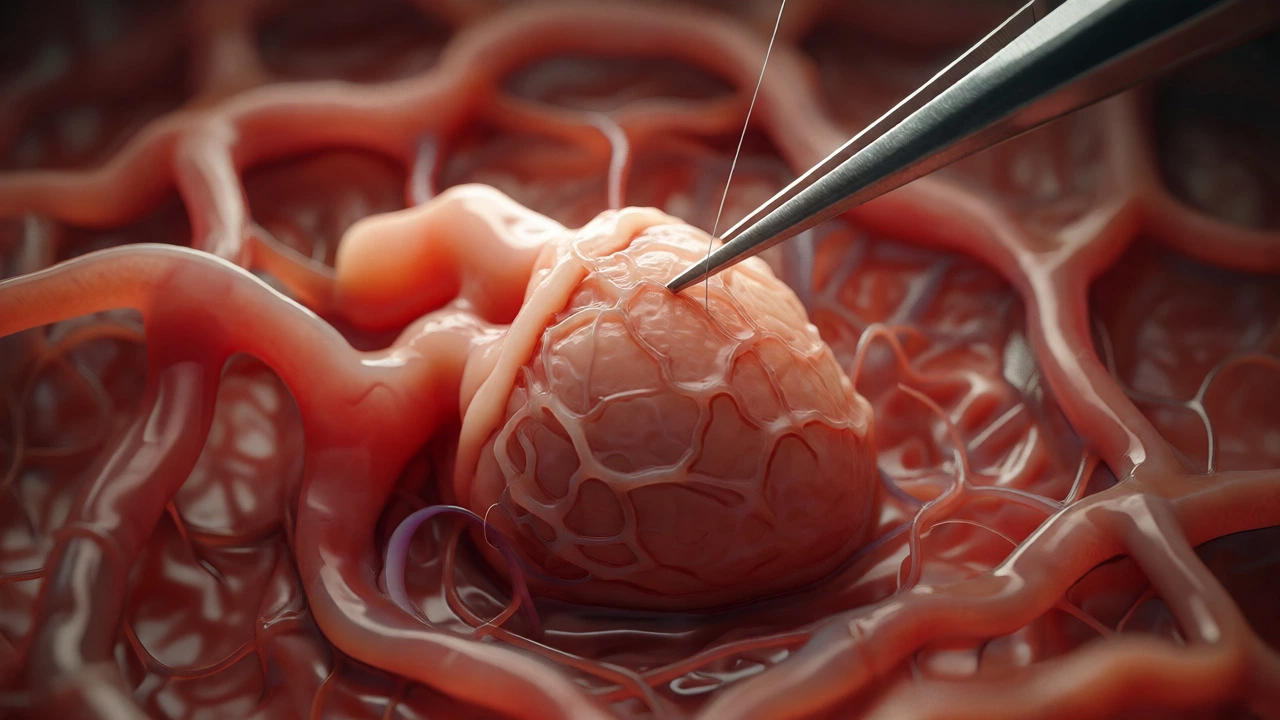
Imagine trying to remove a sticker from a piece of paper that has been glued, painted, and crumpled multiple times. Now imagine doing that with scissors, blindfolded, while the paper is beating. That is redo cardiac surgery.
Patients who have had previous open-heart surgeries develop dense adhesions-scar tissue that binds the heart to the chest wall. Before the surgeon can even see the heart, they must dissect through this scar tissue. The risk? Hitting the right ventricle or a coronary artery that is adhered to the sternum (breastbone). If the saw cuts too deep during sternal re-entry, it can cause massive hemorrhage that is nearly impossible to control because the source is hidden behind bone and scar.
Studies indicate that redo surgeries carry a mortality rate roughly double that of primary surgeries. The longer the gap since the first surgery, the worse the scarring tends to be. Some patients require femoral cannulation (inserting tubes into the groin arteries) to start cardiopulmonary bypass before the chest is even opened, ensuring that if a bleed occurs, the patient can be stabilized immediately.
Transplant Surgeries: The Ultimate Gamble
Heart transplants save lives, but the act of transplanting itself carries significant risk. The donor heart is fragile. Rejection, infection, and technical failures during connection are constant threats.
The riskiest aspect of transplant surgery isn't always the cutting-it's the logistics and the biological compatibility. If the ischemic time (the time the heart spends outside the body) exceeds four to six hours, the quality of the organ drops sharply. Surgeons must work with intense speed. Furthermore, the recipient is often critically ill, having relied on mechanical support devices like LVADs (Left Ventricular Assist Devices) for months. Their bodies are worn down, making them poor candidates for enduring another major trauma.
How Modern Tech Is Lowering the Odds
Is the "riskiest" label permanent? Not necessarily. Technology is shifting the landscape. Two innovations stand out:
- Minimally Invasive Techniques: Instead of cracking the entire sternum, surgeons now use small incisions between the ribs. This reduces bleeding and infection risks, particularly for valve repairs.
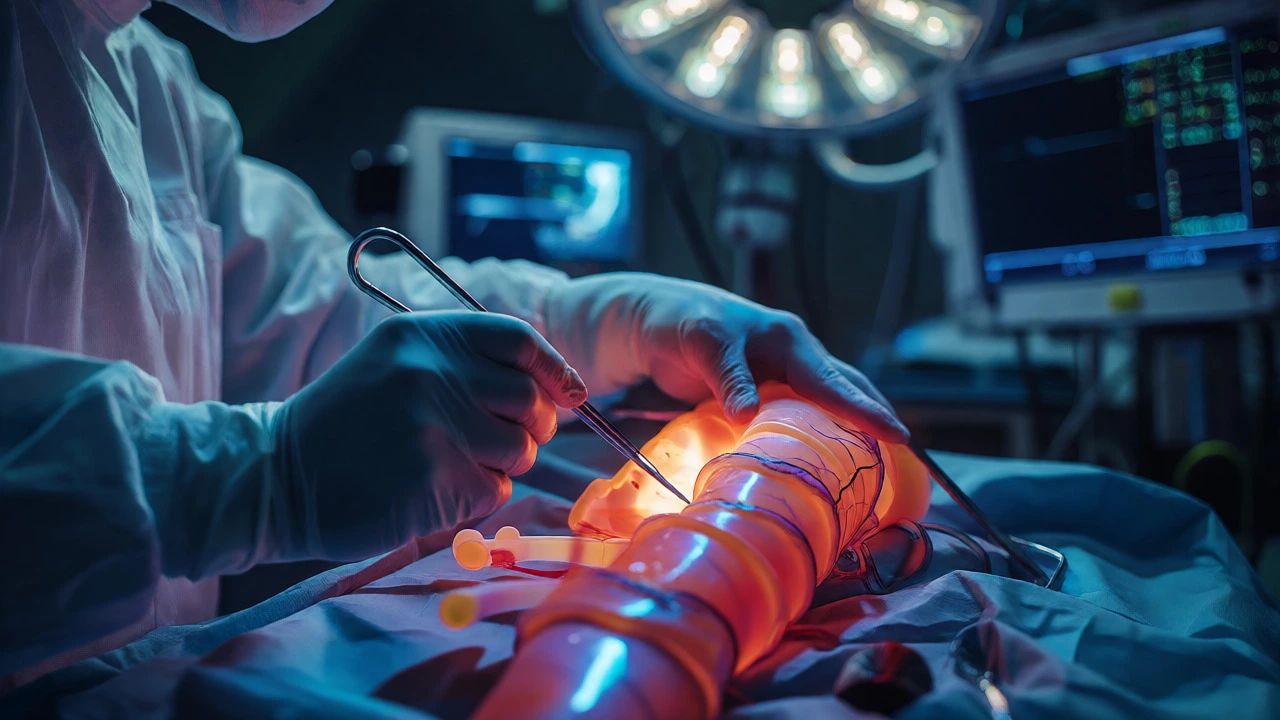
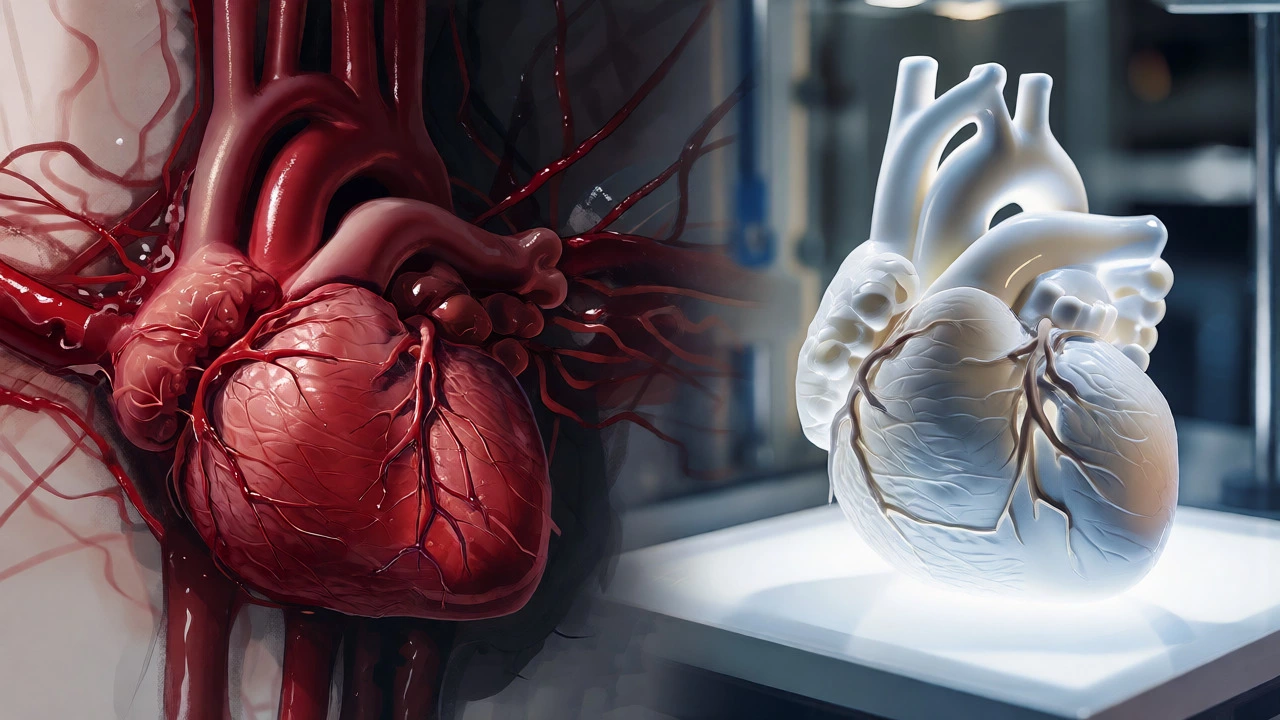
- 3D Printing and Imaging: Before touching a scalpel, surgeons can print a physical model of a patient's unique anatomy. They practice the cut on plastic before risking the patient's life. This is crucial for complex congenital defects where every millimeter counts.
Additionally, perfusion technology (the machines that keep blood flowing) has improved. Better monitoring allows teams to detect micro-changes in oxygen levels instantly, preventing organ damage before it becomes irreversible.
What Patients Should Ask
If you or a loved one are facing a high-risk heart procedure, don't just accept the statistics. Context matters more than averages. Here is what you need to discuss with your surgical team:
- Volume: How many of these specific procedures does this hospital perform annually? High-volume centers consistently show better outcomes for complex cases like aortic dissections.
- Experience: Has the lead surgeon handled this exact complication before?
- Alternatives: Are there less invasive options? For some elderly patients, transcatheter aortic valve replacement (TAVR) avoids open-heart risks entirely.
- Worst-Case Scenario: What happens if things go wrong intra-operatively? Does the hospital have ECMO (extracorporeal membrane oxygenation) capability on standby?
Understanding the risk doesn't eliminate it, but it empowers you to choose the right team. The difference between a 10% and a 20% mortality rate often comes down to the skill of the hands holding the tools and the preparedness of the facility.
Which heart surgery has the highest mortality rate?
Acute Type A aortic dissection repair generally holds the highest mortality rate among common major heart surgeries, ranging from 15% to 30% depending on patient stability and center expertise. Emergency neonatal surgeries for complex congenital defects also carry very high risks, though survival rates have improved significantly in specialized pediatric centers.
Is heart surgery riskier than brain surgery?
It depends on the specific procedure. Routine brain surgeries can have low mortality but high morbidity (stroke, paralysis). Heart surgeries, particularly emergency aortic repairs, have higher immediate mortality risks. However, elective brain tumor removals in critical areas can be equally dangerous. Both fields rely heavily on the surgeon's experience and the patient's overall health.
Why is redo heart surgery so dangerous?
Redo heart surgery is dangerous because of scar tissue (adhesions) that forms after the first operation. This tissue binds the heart to the chest wall, making it difficult to access the heart without damaging vital structures like the right ventricle or coronary arteries during the initial entry. Controlling bleeding in this scarred environment is also technically challenging.
Can minimally invasive surgery reduce heart surgery risks?
Yes, for suitable candidates. Minimally invasive techniques, such as mini-thoracotomy or robotic-assisted surgery, involve smaller incisions, which typically result in less blood loss, lower infection rates, and shorter hospital stays compared to traditional open-heart surgery (sternotomy). However, not all complex cases are suitable for minimally invasive approaches.
What is the role of age in heart surgery risk?
Age is a significant factor. Older patients often have comorbidities like diabetes, kidney disease, or lung issues, which complicate recovery. Tissues become more fragile, making sutures harder to place securely. Additionally, older adults have less physiological reserve to withstand the stress of anesthesia and cardiopulmonary bypass, increasing the risk of post-operative complications like delirium or stroke.