ADHD Symptom & Type Identifier
Self-Assessment Checklist
Select symptoms you experience frequently (at least 6 months)Your Profile Analysis
Inattentive Score
0/9 symptoms selected
Hyperactive/Impulsive Score
0/9 symptoms selected
No Presentation Detected
Select at least some symptoms to see your potential presentation type.
What Does This Mean?
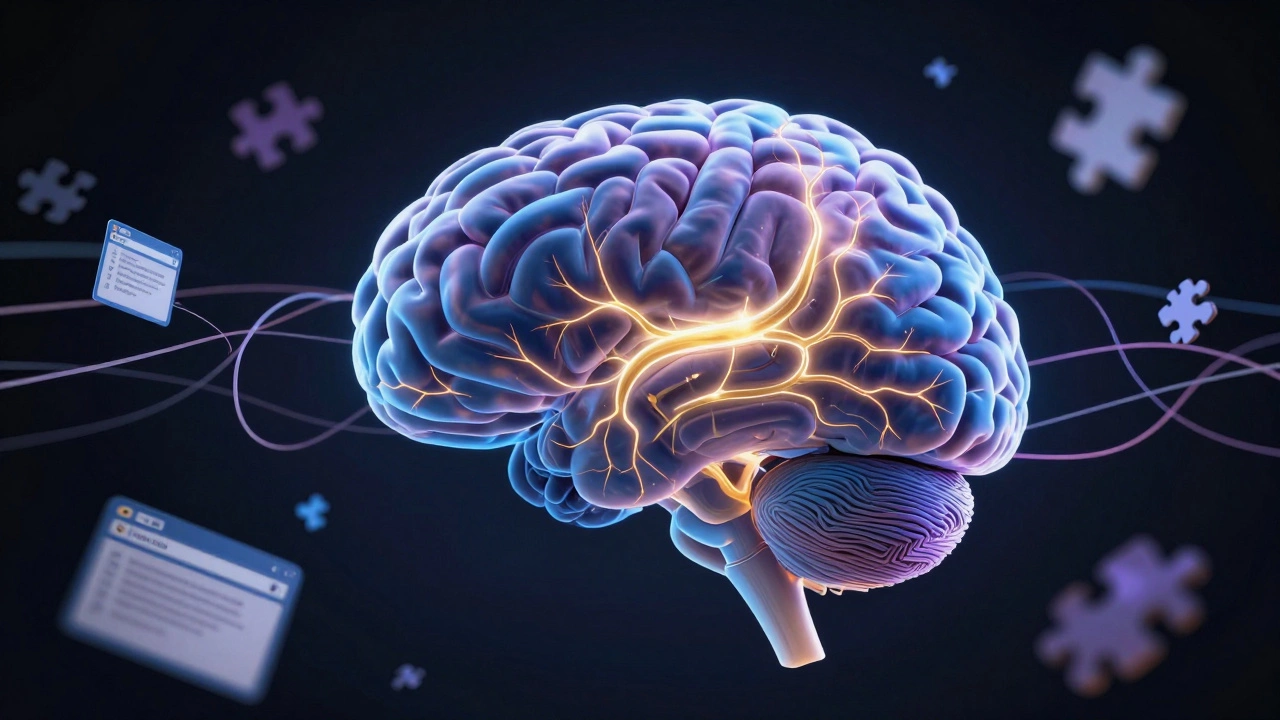
Does your mind feel like a browser with fifty tabs open, three of which are frozen, and you can’t remember what you were looking for in the first place? If that sounds familiar, you might be wondering if this chaotic internal experience is just a personality quirk or something more serious. The question on many minds is simple but loaded: Is ADHD (Attention-Deficit/Hyperactivity Disorder) a mental illness?
The short answer is yes, but the long answer is much more nuanced. For decades, society has labeled ADHD as a behavioral issue or a lack of discipline. Modern medicine, however, classifies it differently. To understand why, we need to look at how medical organizations define mental health conditions and where ADHD fits into that framework.
How Medical Organizations Define ADHD
When doctors diagnose a condition, they don't guess. They rely on standardized manuals. The two most influential guides in global psychiatry are the DSM-5-TR, published by the American Psychiatric Association, and the ICD-11, maintained by the World Health Organization.
In the DSM-5-TR, ADHD is categorized under "Neurodevelopmental Disorders." This is a crucial distinction. Unlike mood disorders (like depression) or anxiety disorders, which often emerge later in life due to stress or biology, neurodevelopmental disorders begin early in development-usually before age 12. They involve disruptions in the growth and function of the brain.
So, is it a mental illness? Technically, yes. The term "mental illness" is an umbrella term that covers any condition affecting mood, thinking, and behavior. However, calling ADHD merely a "mental illness" can be misleading because it implies the problem is purely psychological. It isn't. It’s structural and chemical.
| Feature | ADHD (Neurodevelopmental) | Anxiety/Depression (Mood/Anxiety Disorders) |
|---|---|---|
| Onset | Early childhood (before age 12) | Can occur at any age |
| Primary Cause | Brain structure & neurotransmitter regulation | Mix of genetics, environment, & life events |
| Core Symptom | Inattention, hyperactivity, impulsivity | Sadness, worry, fear |
| Treatment Focus | Stimulants, behavioral therapy, coaching | Antidepressants, CBT, lifestyle changes |
The Brain Science Behind the Diagnosis
If you want to know if something is "real," look at the biology. Research using MRI scans has shown consistent differences in the brains of people with ADHD compared to those without it. These aren't small variations; they are measurable structural differences.
One key area is the prefrontal cortex. Think of this part of your brain as the CEO. It handles executive functions: planning, focusing, controlling impulses, and managing time. In people with ADHD, the prefrontal cortex tends to mature slower and may have slightly less volume. This doesn't mean the person is less intelligent. It means their "CEO" is working overtime to manage tasks that come naturally to others.
Then there’s the chemistry. Your brain uses messengers called neurotransmitters to send signals. Two of the most important ones for focus are dopamine and norepinephrine. Dopamine is linked to reward and motivation. Norepinephrine helps with alertness and attention. In ADHD brains, these chemicals don't circulate efficiently. Signals get lost or delayed. This is why stimulants, which increase the availability of these chemicals, are often effective treatments. They aren't giving the brain "more" energy artificially; they are helping the existing machinery work correctly.
Recognizing the Three Main Types of ADHD
ADHD isn't one-size-fits-all. When you hear about someone bouncing off the walls, you’re picturing one type. But there are three distinct presentations defined by the DSM-5-TR. Recognizing which one applies can change how you approach treatment.
- Inattentive Presentation: This is often missed, especially in girls and women. There is no hyperactivity. Instead, the person seems spacey, forgetful, or easily distracted. They might lose keys daily, miss deadlines, or struggle to follow conversations. Because they aren't disruptive, teachers and parents often label them as "daydreamers" rather than recognizing the disorder.
- Hyperactive-Impulsive Presentation: This is the classic image of ADHD. Fidgeting, inability to sit still, interrupting others, and acting without thinking. This type is usually diagnosed earlier in childhood because the behavior affects classroom order.
- Combined Presentation: As the name suggests, this involves significant symptoms of both inattention and hyperactivity-impulsivity. This is the most common form of diagnosis.
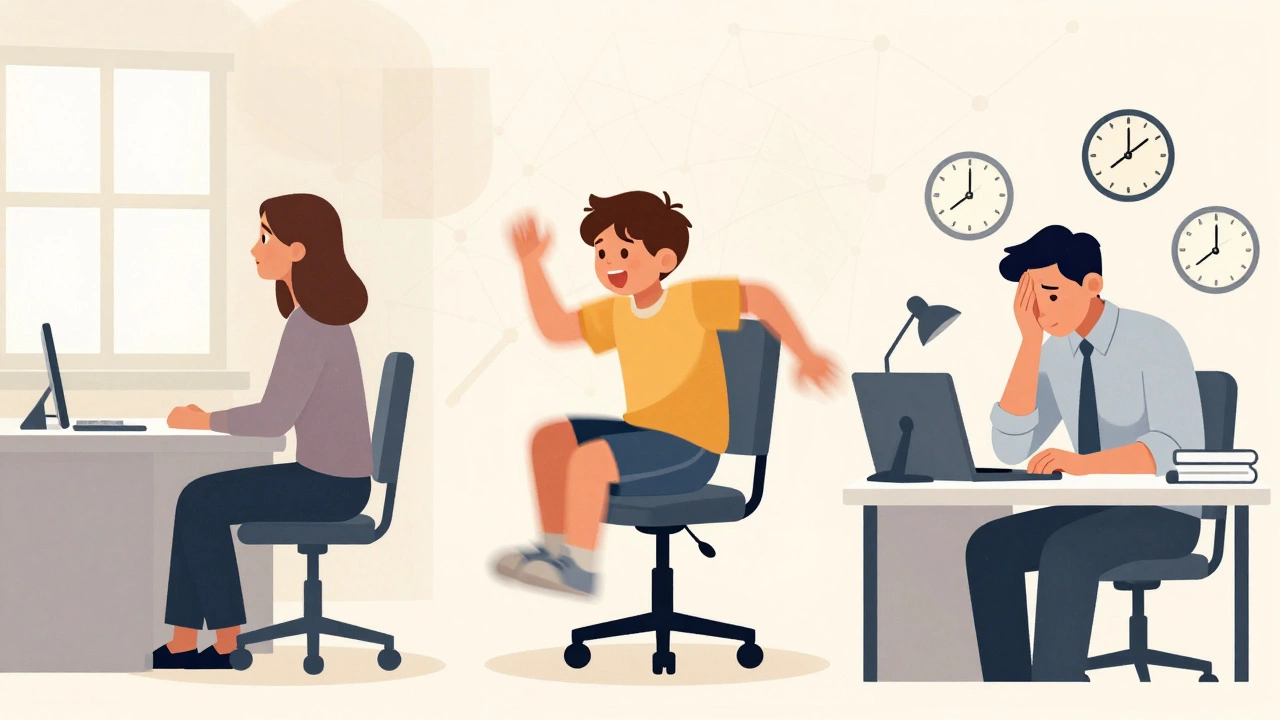
It’s also worth noting that symptoms change as you age. A hyperactive child might not run around the office as an adult. Instead, that physical restlessness turns into internal agitation-a feeling of constant urgency or inability to relax. This shift often leads to misdiagnosis in adulthood.
ADHD in Adults: Why It’s Often Overlooked
You might think ADHD is just a childhood phase that kids grow out of. That was the belief for years. Today, we know better. About 60% of children with ADHD continue to show symptoms into adulthood. In fact, many adults are only diagnosed after their own children are identified with the condition.
Why does adult ADHD fly under the radar? Because adults develop coping mechanisms. They might become procrastinators who only work under extreme pressure (adrenaline helps mimic dopamine). They might marry highly organized partners who handle all the logistics. Or they might choose careers that allow for high stimulation and flexibility.
However, these masks come at a cost. Adult ADHD is strongly linked to:
- Chronic stress and burnout
- Relationship difficulties due to forgotten commitments or emotional dysregulation
- Lower self-esteem from years of being told they are "lazy" or "not trying hard enough"
- Higher risk of substance abuse as a form of self-medication
If you are an adult struggling with time blindness (losing track of hours), object permanence issues (forgetting things exist if you can't see them), or rejection sensitive dysphoria (extreme emotional pain from perceived criticism), you might benefit from a professional evaluation.
Treatment Options: More Than Just Pills
Knowing that ADHD is a recognized medical condition opens the door to effective treatment. The goal isn't to cure the personality but to manage the symptoms so you can live a fulfilling life. Treatment is rarely one-dimensional; it works best when combined.
Medication remains the most effective single intervention for core symptoms. Stimulants like methylphenidate (Ritalin) and amphetamines (Adderall) are first-line treatments. Non-stimulants like atomoxetine (Strattera) are also used, particularly if there are concerns about substance misuse or side effects like insomnia. Medication helps quiet the noise, allowing the prefrontal cortex to do its job.
Therapy addresses the secondary effects. Cognitive Behavioral Therapy (CBT) tailored for ADHD helps you challenge negative thought patterns (e.g., "I'm stupid because I forgot") and build practical skills for organization, time management, and emotional regulation. It’s not about talking about your childhood; it’s about building tools for today.
Lifestyle Adjustments play a supportive role. Exercise is powerful because it naturally boosts dopamine and norepinephrine. Sleep hygiene is critical, as fatigue worsens inattention. Some people find that dietary changes, such as reducing sugar spikes or ensuring adequate protein intake, help stabilize energy levels.

Debunking Common Myths
Misinformation about ADHD spreads quickly. Let’s clear up a few persistent myths that prevent people from seeking help.
Myth: ADHD is caused by bad parenting.
Fact: While a chaotic home environment can exacerbate symptoms, ADHD is primarily genetic. Studies show heritability rates of around 74%. You cannot love or discipline a child out of a neurological difference.
Myth: Only boys get ADHD.
Fact: Boys are diagnosed more often because they tend to be more hyperactive and disruptive. Girls are more likely to have the inattentive type, which is quieter and easier to overlook. By adulthood, the gender gap narrows significantly.
Myth: Smart people can’t have ADHD.
Fact: Intelligence and ADHD are unrelated. Many people with ADHD are highly intelligent and creative. In fact, the same neural wiring that causes distraction can also lead to divergent thinking and innovation. However, high intelligence can mask ADHD for years, leading to late diagnoses.
When to Seek Professional Help
If you suspect you or a loved one has ADHD, the next step is a comprehensive evaluation. This isn't a quick quiz online. A proper diagnosis involves a detailed history, input from family members (if possible), and ruling out other conditions like anxiety, depression, thyroid issues, or sleep apnea, which can mimic ADHD symptoms.
Look for a psychiatrist, psychologist, or primary care physician experienced in adult or pediatric ADHD. In India, awareness is growing, and many metropolitan cities now have specialized clinics. Don’t hesitate to ask questions during your consultation. Understanding your brain is the first step toward mastering it.
Is ADHD considered a disability?
Yes, in many countries, including the United States and increasingly in India, ADHD is recognized as a disability under laws like the Americans with Disabilities Act (ADA). It can qualify individuals for accommodations in school or the workplace, such as extra time on tests, flexible schedules, or noise-canceling headphones.
Can ADHD go away on its own?
ADHD is a lifelong neurodevelopmental condition. While symptoms may change or become less severe as the brain matures, the underlying neurological differences remain. Many adults find that while they no longer bounce off walls, they still struggle with executive functions like organization and impulse control.
What is the difference between ADD and ADHD?
ADD (Attention Deficit Disorder) is an outdated term. It was used in previous versions of the diagnostic manual to describe people who had trouble focusing but weren't hyperactive. Today, this is classified as ADHD, Predominantly Inattentive Presentation. The term ADHD now covers all types.
Are there natural remedies for ADHD?
While medication is the most effective treatment, lifestyle changes can support symptom management. Regular aerobic exercise, mindfulness meditation, adequate sleep, and a balanced diet rich in omega-3 fatty acids have shown some benefit. However, these should complement, not replace, professional medical advice.
How is ADHD diagnosed in adults?
Diagnosis involves a clinical interview assessing current symptoms and historical evidence from childhood. Doctors use rating scales and may request school records or input from family members. They must rule out other mental health conditions or medical issues that could explain the symptoms.