Diabetes Medication Cost Comparison Calculator
When you’re first diagnosed with type 2 diabetes, one of the first questions you’ll hear from your doctor is: metformin or something else? It’s not because it’s the most expensive or the newest-it’s because it’s the most trusted, most used, and most studied pill for diabetes in the world.
Metformin: The Unchallenged Leader
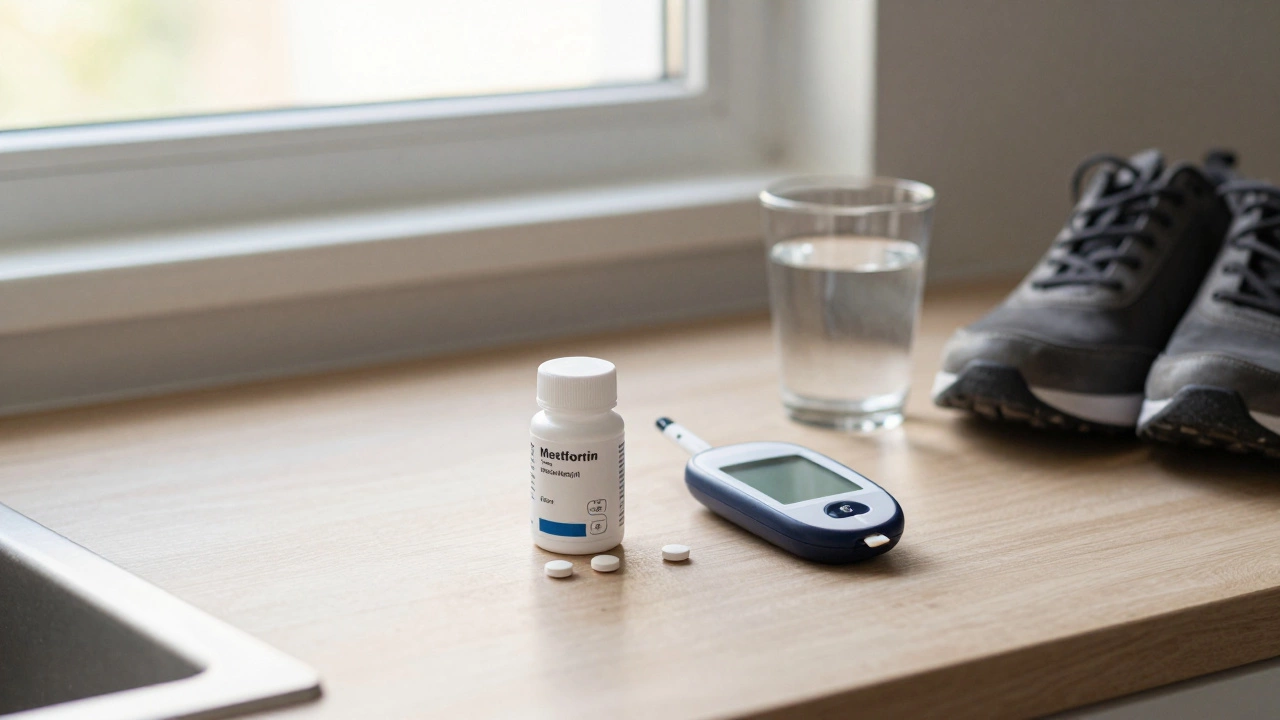
More than 120 million people worldwide take metformin every day. That’s more than all other diabetes pills combined. It’s been around since the 1950s, approved in the U.S. in 1994, and still holds the top spot because it works, it’s safe, and it’s cheap. In fact, generic metformin costs as little as $4 a month at many U.S. pharmacies.
It doesn’t make your body produce more insulin. Instead, it helps your body use the insulin it already has more effectively. It also lowers the amount of sugar your liver releases into your blood-especially overnight. That’s why many people see their fasting blood sugar drop within days of starting it.
Studies from the UK Prospective Diabetes Study (UKPDS) in 1998 showed that metformin didn’t just control blood sugar-it reduced heart attacks and diabetes-related deaths by 30% in overweight patients. No other first-line pill has matched that kind of long-term benefit.
Why Not Just Take Anything Else?
There are dozens of other pills for diabetes. Some lower blood sugar faster. Some help with weight loss. Some protect your kidneys or heart. But they’re not first choices for a reason.
GLP-1 agonists like semaglutide (Ozempic, Wegovy) and tirzepatide (Mounjaro) get a lot of attention because they help people lose weight and lower A1C dramatically. But they’re injections, not pills, and they cost $800 to $1,200 a month without insurance. Even the new oral GLP-1, Rybelsus (semaglutide tablet), costs over $1,000 a month and isn’t approved for weight loss.
SGLT2 inhibitors like empagliflozin (Jardiance) and dapagliflozin (Farxiga) are great for people with heart failure or kidney disease. They help the kidneys flush out extra sugar through urine. But they come with risks-yeast infections, dehydration, and a rare but serious condition called diabetic ketoacidosis.
DPP-4 inhibitors like sitagliptin (Januvia) and saxagliptin (Onglyza) are gentle on the body, but they only lower A1C by about 0.5% to 0.8%. That’s not enough for many people.
And then there are sulfonylureas like glimepiride and glyburide. They force your pancreas to pump out more insulin. They work fast, but they can cause dangerous low blood sugar, especially in older adults. They also tend to cause weight gain.
Metformin doesn’t cause low blood sugar on its own. It doesn’t make you gain weight. It’s been studied in pregnant women with gestational diabetes. It’s even being looked at for anti-aging and cancer prevention. That’s why doctors start with it-and keep it as the backbone of treatment for most people.
Who Shouldn’t Take Metformin?
It’s not for everyone. If you have severe kidney disease-eGFR below 30-you can’t take it. Your kidneys need to be able to clear the drug from your body. If they’re failing, metformin can build up and cause lactic acidosis, a rare but dangerous condition.
If you’re going in for surgery or an imaging test with IV contrast dye, you’ll need to pause metformin for a day or two. Your doctor will tell you when to restart it.
Some people can’t tolerate it. Up to 25% of users get stomach upset: nausea, diarrhea, gas. That’s why doctors start with a low dose-500 mg once a day-and slowly increase it over weeks. Extended-release versions (metformin ER) often cause fewer stomach issues.
And yes, some people just don’t respond well. Their A1C might drop only 0.3% after three months. That’s not enough. When that happens, doctors add a second pill-not replace metformin.
What Happens When Metformin Isn’t Enough?
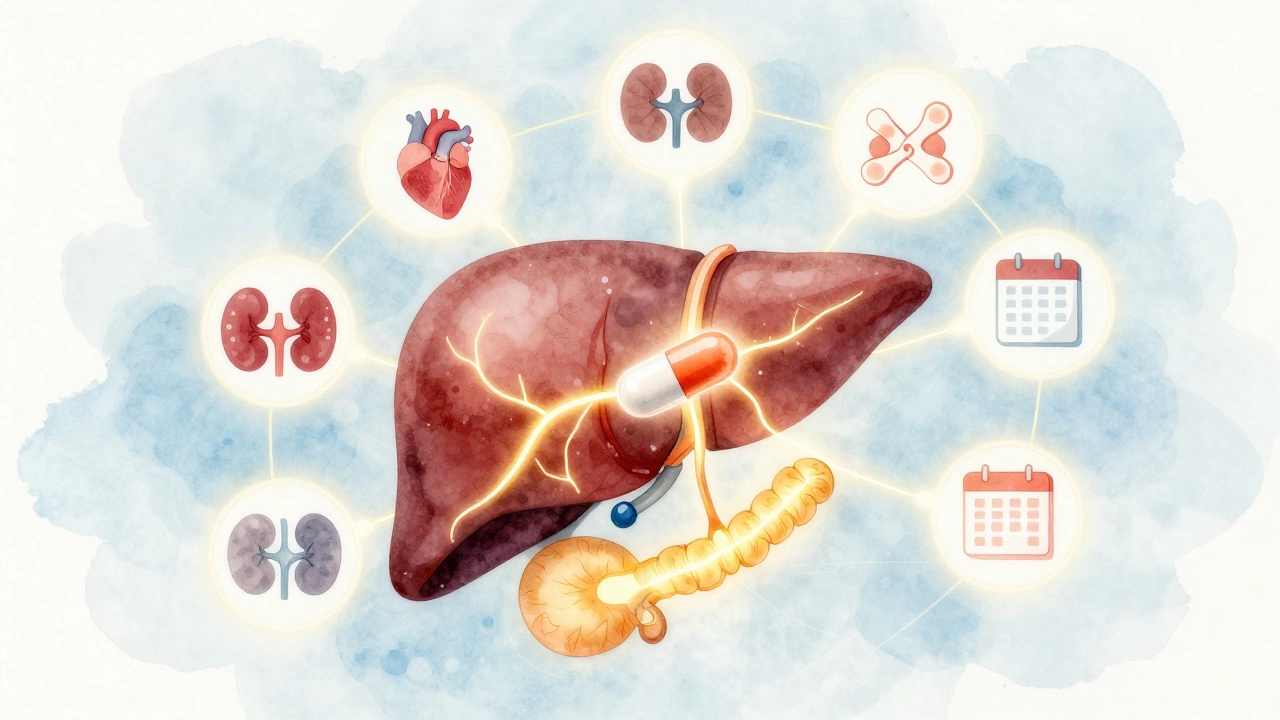
Most people with type 2 diabetes eventually need more than one pill. That doesn’t mean metformin failed. It means the disease progressed. Your body’s insulin resistance got worse, or your pancreas wore out a bit more.
The standard next step? Add an SGLT2 inhibitor or a GLP-1 agonist. If cost is a concern, a DPP-4 inhibitor or a sulfonylurea might be added. But metformin stays in the mix. In fact, the American Diabetes Association recommends keeping metformin in the treatment plan unless it’s not tolerated or contraindicated.
Recent guidelines from 2023 say that if you have heart disease or kidney disease, you should start with either an SGLT2 inhibitor or a GLP-1 agonist-even before metformin. But for the average person without those complications, metformin still leads.
What About Natural Alternatives?
You’ll see ads for cinnamon, berberine, or bitter melon pills that claim to lower blood sugar. Berberine, in particular, has shown some promise in small studies-it may lower A1C by about 1%. But here’s the catch: it’s not regulated like a drug. The dose, purity, and safety aren’t guaranteed. Some batches contain heavy metals or contaminants.
And while lifestyle changes-weight loss, walking after meals, cutting sugar-are the most powerful tools for managing diabetes, they don’t replace medication for most people. Metformin works best when paired with these changes, not instead of them.

Real-World Results
Take Sarah, 58, diagnosed with type 2 diabetes in 2023. Her A1C was 8.7%. She started on 500 mg metformin twice a day. Three months later, her A1C dropped to 6.9%. She lost 8 pounds, her energy improved, and she didn’t have a single low blood sugar episode.
By year two, her A1C was 7.2%. Her doctor added empagliflozin. Now, at 7.0%, she’s stable. She takes both pills every day. She still walks 30 minutes after dinner. She doesn’t need insulin. And she’s been on metformin the whole time.
That’s the story for millions. Metformin isn’t flashy. It doesn’t make headlines. But it’s the quiet backbone of diabetes care.
Bottom Line
The most popular diabetic pill is metformin-not because it’s perfect, but because it’s the best balance of safety, effectiveness, cost, and long-term benefits. It’s the first pill you’ll be prescribed. It’s the one you’ll likely stay on. And for most people, it’s the one that keeps them out of the hospital.
If you’re on it and feeling fine, don’t stop. If you’re not on it and your doctor recommends it, ask why not. And if you’re worried about side effects, talk about the extended-release version. You don’t need to suffer through stomach upset to get the benefits.
There are newer, flashier pills. But none have replaced metformin. Not yet. And maybe, never will.
Is metformin the only diabetic pill I’ll ever need?
No, many people eventually need a second or even third medication as diabetes progresses. But metformin is usually kept in the regimen because it works well with other drugs and has long-term benefits. Most combination pills include metformin as the base.
Can I take metformin if I’m not overweight?
Yes. While metformin was first studied in overweight patients, it’s effective regardless of body weight. It works by improving insulin sensitivity and reducing liver glucose production-factors that affect everyone with type 2 diabetes, not just those who carry extra weight.
Does metformin cause vitamin B12 deficiency?
Long-term use of metformin (over 4 years) can lower vitamin B12 levels in about 10% to 30% of users. It doesn’t happen to everyone, but your doctor should check your B12 levels every 2 to 3 years if you’ve been on it for a while. A simple blood test and a B12 supplement can fix this if needed.
What’s the difference between metformin and metformin ER?
Metformin ER (extended-release) releases the medication slowly over time, so you usually take it once a day instead of twice. It’s easier on the stomach and causes fewer side effects like diarrhea and nausea. Many people switch to ER if they can’t tolerate the regular version.
Can I stop taking metformin if I lose weight and my blood sugar normalizes?
Some people can reduce or stop metformin after significant lifestyle changes-especially if they lose 10% or more of their body weight and maintain it. But this must be done under medical supervision. Stopping without a plan can cause blood sugar to spike again. Your doctor will monitor your A1C and fasting glucose before making any changes.
What to Do Next
If you’re on metformin, make sure you’re taking it correctly-usually with meals to reduce stomach upset. Keep track of your blood sugar levels and note any side effects. Bring them up at your next appointment.
If you’re not on metformin and your doctor hasn’t prescribed it, ask why. Is it because of kidney issues? Side effects? Or just because they’re trying something else first?
And if you’re considering switching or adding a new pill, understand the trade-offs. Newer drugs might lower A1C faster, but they’re expensive. Metformin might not be exciting, but it’s the most proven tool you’ve got.