Ayurvedic Dosha Quiz
Discover your dominant constitution by answering these questions honestly. There are no right or wrong answers—choose the option that best describes your natural tendencies.
Your Primary Constitution
Dosha Balance Score:
Personalized Tips for You
You know that friend who’s always cold, even in the summer heat of Bangalore? Or the one whose mind races at 3 AM while everyone else is asleep? In Ayurveda, this isn’t just a personality quirk-it’s a signature of being a Vata person. If you’ve ever felt scattered, anxious, or physically fragile despite trying to stay healthy, you might be operating on high Vata energy. This guide breaks down exactly what it means to have a dominant Vata dosha, how it shapes your body and mind, and what actually helps you feel grounded.
The Core Traits of a Vata Constitution
Vata is the energy of movement. It governs everything from your breath and heartbeat to nerve impulses and thoughts. People with a strong Vata constitution are often creative, quick learners, and enthusiastic. But here’s the catch: because Vata is light, dry, cold, and mobile, these same traits can flip into anxiety, insomnia, and digestive chaos when out of balance.
Physically, Vata individuals tend to have thin frames, prominent joints, and dry skin. They lose weight easily but struggle to gain muscle mass. Their digestion is unpredictable-one day they’re fine, the next they’re bloated or constipated. Mentally, they’re brilliant innovators but prone to worry. If you finish three projects in a week but forget to eat lunch, that’s classic Vata behavior.
Physical Signs You Might Be Vata-Dominant
Your body gives clear signals if Vata is your primary dosha. Look for these specific physical markers:
- Lightweight frame: Most Vatas weigh less than average for their height and have narrow bones.
- Cold extremities: Hands and feet stay chilly year-round because circulation is sluggish.
- Dry features: Skin, hair, lips, and eyes tend to lack natural moisture.
- Irregular appetite: Hunger comes and goes without warning.
- Erratic sleep: Light sleeper, easy to wake, trouble falling back asleep.
If you check four or more of these boxes, there’s a good chance Vata drives your physiology. Unlike Pitta (fire) or Kapha (earth), Vata doesn’t store reserves well. You burn through energy fast, which is why skipping meals hits you harder than others.
Mental and Emotional Patterns of Vata Types
The mind of a Vata person moves like wind-fast, changeable, and sometimes chaotic. You likely learn quickly but forget details unless you write them down. Creativity flows easily; you see connections others miss. However, stress triggers overthinking. A simple email delay can spiral into hours of "what if" scenarios.
Emotionally, Vatas are empathetic and adaptable. They thrive in dynamic environments but crumble under rigid routines. When balanced, they’re joyful and spontaneous. When imbalanced, fear and anxiety take center stage. Have you ever canceled plans last minute because you suddenly felt overwhelmed? That’s Vata imbalance talking.

Common Health Challenges for Vata Individuals
Vata governs the nervous system and elimination channels. When aggravated, two areas suffer most: digestion and mental health. Constipation is nearly universal among Vatas due to low digestive fire (agni). Gas, bloating, and irregular bowel movements follow closely behind.
Mentally, chronic stress worsens Vata issues. Insomnia becomes a cycle: you’re tired but wired, so you drink coffee, which further dries and agitates your system. Joint pain also creeps in later in life because Vata lacks lubrication. Dry joints crack and ache, especially in cool weather.
| Trait | Vata | Pitta | Kapha |
|---|---|---|---|
| Body Frame | Thin, bony | Moderate, muscular | Large, solid |
| Skin Type | Dry, rough | Oily, sensitive | Smooth, oily |
| Digestion | Irregular | Strong, intense | Slow, steady |
| Stress Response | Anxiety, fear | Irritability, anger | Withdrawal, lethargy |
Lifestyle Habits That Balance Vata Energy
Vata needs stability. Think of yourself as a kite in a storm-you need a heavy anchor. Routine is your best medicine. Wake up, eat, and sleep at consistent times every day. Even small deviations throw off your rhythm.
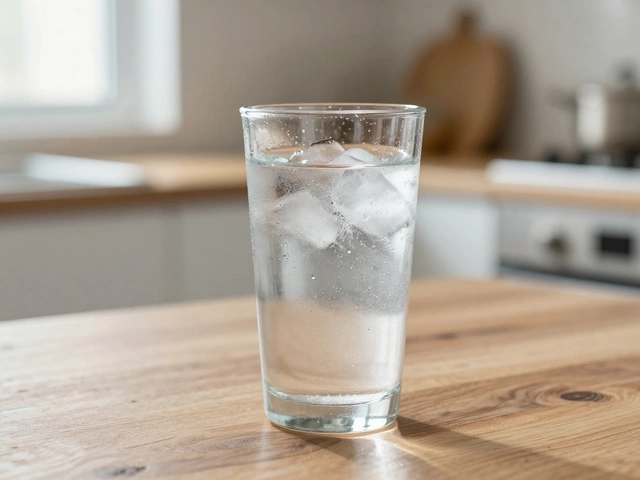
Warmth is non-negotiable. Wear layers, use warm oils for self-massage (abhyanga), and avoid cold drinks. Cold foods increase Vata’s dryness and mobility. Instead, favor warm, cooked, moist meals. Soups, stews, and root vegetables work wonders.
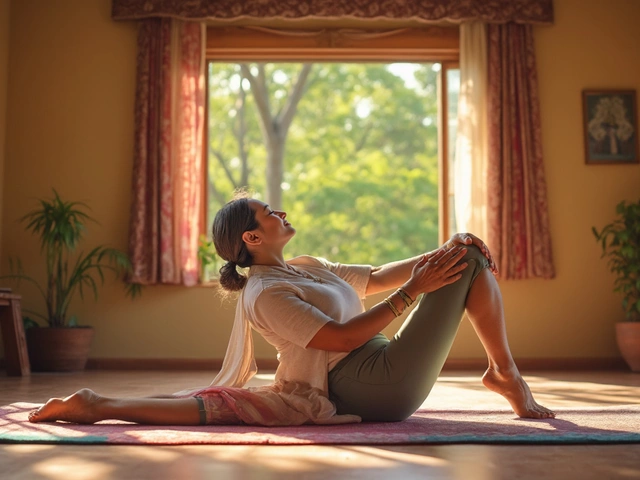
Exercise should be gentle. High-intensity workouts deplete Vata further. Try yoga, swimming, or walking instead. Focus on grounding poses like child’s pose or tree pose. Meditation helps too, but keep it short-10 minutes max-to prevent restlessness.
Dietary Guidelines for Vata Types
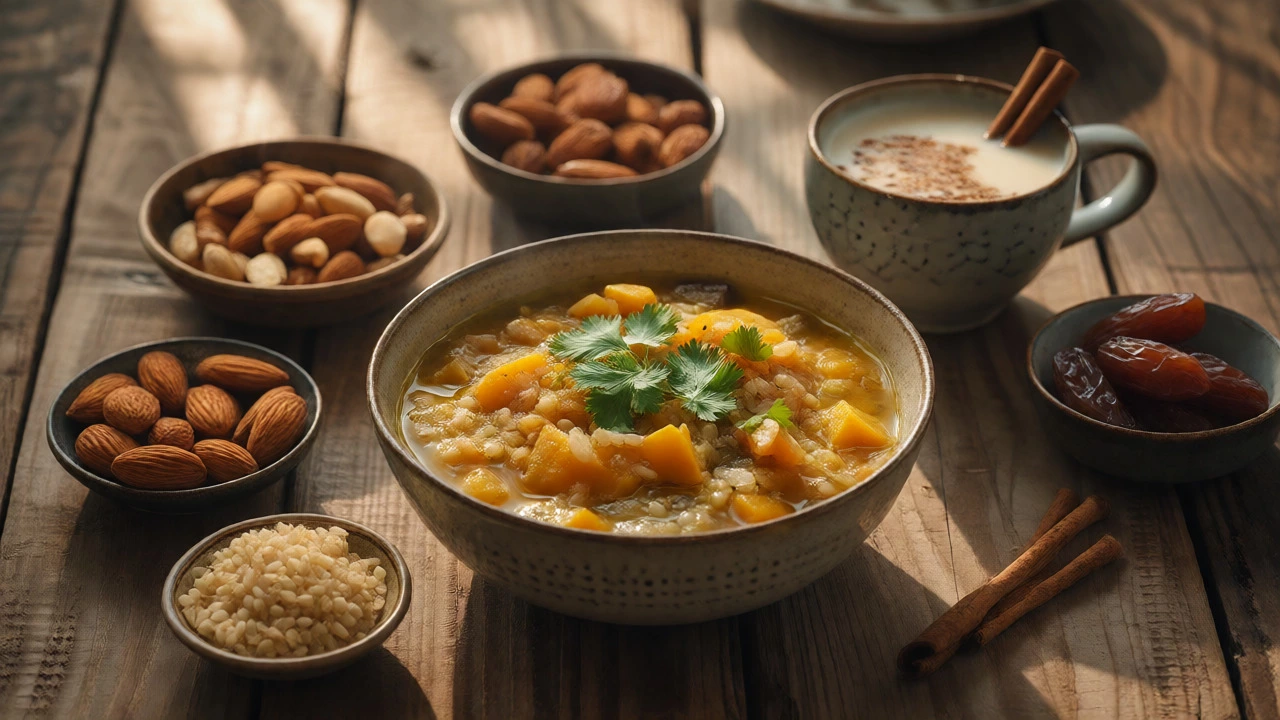
Eat for warmth and moisture. Skip raw salads; they’re too cold and dry for your system. Cooked grains like oats, rice, and quinoa provide comfort. Healthy fats are essential: ghee, avocado, nuts, and seeds add needed lubrication.
Avoid caffeine and alcohol. Both stimulate Vata’s already racing mind and dehydrate tissues. Replace morning coffee with warm spiced milk or herbal tea. Add spices like ginger, cumin, and cinnamon to boost digestion without overheating.
Snack wisely. Nuts soaked overnight become easier to digest. Dates and figs offer natural sweetness and grounding energy. Never skip meals; fasting aggravates Vata more than any other dosha.
When to Seek Professional Ayurvedic Help
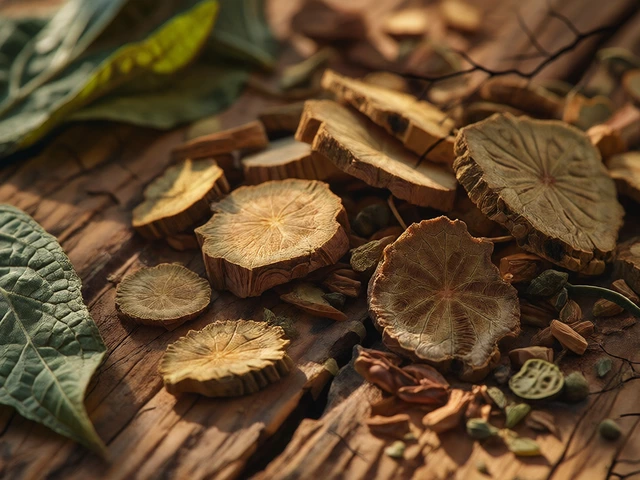
Self-care works for mild imbalances. But if you experience persistent insomnia, severe constipation lasting weeks, or chronic anxiety that affects daily life, consult an Ayurvedic practitioner. They can prescribe specific herbs like Ashwagandha for stress or Triphala for digestion, tailored to your unique constitution.
Remember, no one is purely Vata. Most people have mixed doshas. A trained expert will assess your pulse, tongue, and history to confirm your primary type before recommending treatments.
Can I be both Vata and Pitta?
Yes, dual constitutions are common. If you have Vata traits (thin build, anxiety) plus Pitta signs (sharp intellect, sensitivity to heat), you’re likely Vata-Pitta. Your approach should prioritize calming Vata first, as it’s more volatile, then address Pitta’s intensity.
Why do I get anxious in winter?
Winter’s cold, dry, and windy qualities mirror Vata’s nature. This amplifies existing Vata tendencies, leading to heightened anxiety, dry skin, and joint stiffness. Counteract this by staying warm, using oil massages, and eating heavier, warming foods during colder months.
Is coffee bad for Vata people?
Generally, yes. Caffeine stimulates the nervous system, worsening Vata’s tendency toward restlessness and insomnia. It also dries out tissues. If you must have coffee, limit it to one cup with milk and sugar, and never drink it on an empty stomach.
How does Vata affect aging?
Vata naturally increases with age. Older adults often experience more dryness, joint pain, memory lapses, and anxiety. Proactive care-like regular oil massage, warm diets, and routine-slows this process and maintains vitality longer.
What’s the best exercise for Vata?
Low-impact, grounding activities. Yoga, tai chi, swimming, and brisk walking are ideal. Avoid extreme cardio or competitive sports that spike adrenaline. The goal is movement without depletion.