Herbal Liver Safety Checker
Select a popular herbal supplement below to view its potential impact on your liver health. This tool summarizes risks based on current medical literature regarding Herb-Induced Liver Injury (HILI).
Kava
Anxiety & InsomniaComfrey
Wound HealingGreen Tea Extract
Weight LossBlack Cohosh
Menopause ReliefChaparral
Skin & ArthritisSt. John's Wort
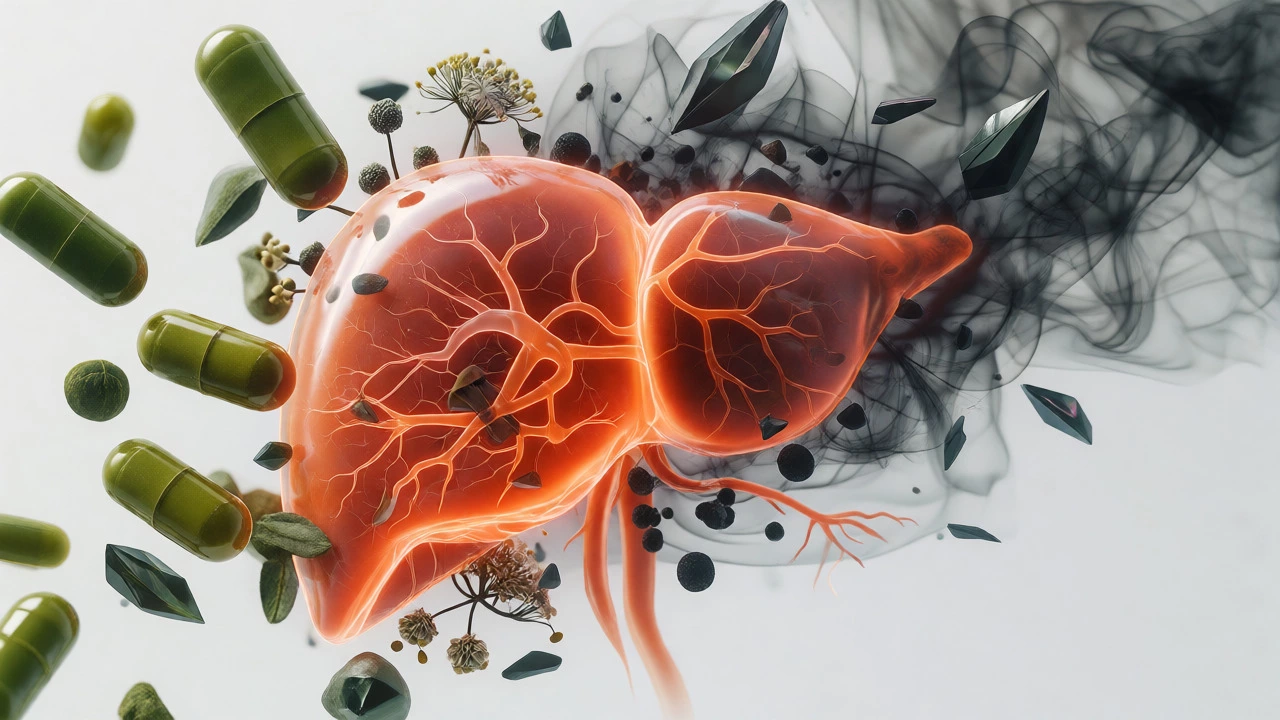
Mood SupportYou probably think that because it's natural, it must be safe. That’s a dangerous assumption when it comes to your liver. This organ is the body's primary filter, processing everything you eat, drink, and swallow-including the pills and teas you take for wellness. While many plants offer genuine health benefits, others contain compounds that can cause serious injury, sometimes even acute liver failure.
It’s not just about taking too much of one thing. Some herbs interact with medications, while others are inherently toxic due to their chemical structure. The problem is compounded by the fact that herbal supplements aren't regulated as strictly as pharmaceuticals in many countries, including India. You might buy a bottle labeled "natural" only to find inconsistent potency or hidden contaminants. So, which specific herbs should raise a red flag? And more importantly, how do you know if your favorite tea or supplement is silently stressing your liver?
The Reality of Herbal-Induced Liver Injury
Herb-induced liver injury (HILI) is a growing concern among hepatologists worldwide. Unlike drug-induced liver injury, which is well-studied, HILI often goes undiagnosed because patients rarely mention their supplement use during doctor visits. Studies suggest that up to 20% of all cases of acute liver failure in some regions may be linked to dietary supplements, with herbs being a major culprit. The liver processes these plant compounds through enzymes like cytochrome P450. When an herb overwhelms this system or produces toxic metabolites, inflammation and cell death follow.
You don’t need to be an expert biochemist to understand the risk. Think of your liver as a busy airport security checkpoint. Most passengers (nutrients) pass through smoothly. But some carry contraband (toxins) that trigger alarms. If too many suspicious items arrive at once, the checkpoint shuts down. That’s essentially what happens when you overload your liver with potentially harmful botanicals.
Kava: The Popular Calming Herb With a Dark Side
If you’ve ever struggled with anxiety or insomnia, you’ve likely heard of Kava. Derived from the roots of the Piper methysticum plant native to the South Pacific, Kava was marketed heavily in the early 2000s as a natural alternative to benzodiazepines for stress relief. It works by affecting GABA receptors in the brain, promoting relaxation without the sedation associated with alcohol.
However, its reputation took a nosedive after reports of severe liver damage emerged. Between 1999 and 2002, over 100 cases of liver toxicity were linked to Kava products globally. Some patients required transplants; others died. The European Union banned Kava sales entirely, though restrictions have since loosened in some areas. In the US, the FDA issued consumer advisories rather than outright bans.
Why is Kava risky? Researchers suspect two main factors. First, improper extraction methods might concentrate harmful compounds called kavalactones alongside toxic impurities. Second, genetic variations in how people metabolize these compounds mean some individuals are naturally more susceptible to damage. If you’re considering Kava for anxiety, consult your doctor first-especially if you already consume alcohol or take other medications.
Comfrey: A Topical Treasure, Oral Danger
Comfrey (Symphytum officinale) has been used for centuries in traditional medicine to heal wounds, bruises, and sprains. Its leaves and roots contain allantoin, a compound that speeds up cell growth and tissue repair. For external use, such as creams or poultices, Comfrey is generally considered safe and effective.
The trouble starts when you ingest it. Comfrey contains pyrrolizidine alkaloids (PAs), a group of natural toxins found in many plants. These alkaloids are metabolized by the liver into reactive compounds that damage blood vessels in the liver, leading to a condition called hepatic veno-occlusive disease (HVOD). Symptoms include abdominal swelling, jaundice, and ascites (fluid buildup).
In the 1980s, outbreaks of PA poisoning occurred in Afghanistan and Jamaica, where locals consumed large amounts of Comfrey-containing foods or teas. Consequently, regulatory agencies like the FDA and Health Canada restrict oral Comfrey products. If you see Comfrey listed in an oral supplement blend, proceed with caution. Topical application remains the safer route for most users.
Green Tea Extract: More Than Just Antioxidants
We all love green tea. It’s packed with antioxidants called catechins, particularly epigallocatechin gallate (EGCG), known for boosting metabolism and fighting cancer cells. Drinking brewed green tea is perfectly safe for most people. However, green tea extract, especially in high-dose capsule form, tells a different story.
Several case studies have linked concentrated green tea extracts to acute hepatitis-like symptoms. One notable study published in the journal Hepatology reviewed multiple instances where patients developed liver enzyme elevations after taking weight-loss supplements containing high doses of EGCG. The mechanism isn’t fully understood, but it appears that very high concentrations of catechins can induce oxidative stress in liver cells.
This doesn’t mean you should stop drinking your morning chai. Brewed tea delivers catechins slowly and in lower quantities. The risk arises when you take 300-500 mg of EGCG daily in pill form, often combined with caffeine for weight loss. If you’re using green tea extract for fat burning, stick to recommended dosages and monitor how you feel. Yellowing eyes or dark urine are signs to stop immediately.
Black Cohosh: Menopause Relief vs. Liver Risk
For women navigating menopause, Black Cohosh (Actaea racemosa) is a go-to remedy for hot flashes and mood swings. Unlike hormone replacement therapy, it doesn’t contain estrogen, making it attractive for those wary of hormonal side effects. Research supports its efficacy for mild menopausal symptoms, but safety concerns linger regarding liver health.
Reports of Black Cohosh-associated liver injury are rare but documented. Cases range from mild enzyme elevations to severe hepatitis requiring hospitalization. Interestingly, the exact cause remains debated. Is it the herb itself, or contamination with related species like Bugbane? Or perhaps it’s an idiosyncratic reaction in genetically predisposed individuals?
Most experts agree that short-term use (up to six months) is likely safe for healthy women. However, those with pre-existing liver conditions or those taking statins should avoid it. Always choose standardized extracts from reputable brands to minimize contamination risks.
Pyrrolizidine Alkaloids: The Hidden Threat in Many Herbs
We mentioned PAs earlier with Comfrey, but they lurk in many other popular herbs. Plants produce these alkaloids as defense mechanisms against insects. Unfortunately, human livers struggle to process them efficiently. Common sources include:
- Borage (Borago officinalis): Often used for skin health and respiratory issues.
- Coltsfoot (Tussilago farfara): Traditionally used for coughs and bronchitis.
- Senecio (Groundsel): Found in some traditional Chinese medicines.
Chronic exposure to low levels of PAs can lead to cumulative liver damage over years. Acute exposure causes sudden illness. Because PAs are heat-stable, boiling or cooking doesn’t always eliminate them. This makes herbal teas particularly risky if made from unverified sources. In India, where herbal decoctions are common, ensuring the source material is free from adulterated Senecio species is crucial.
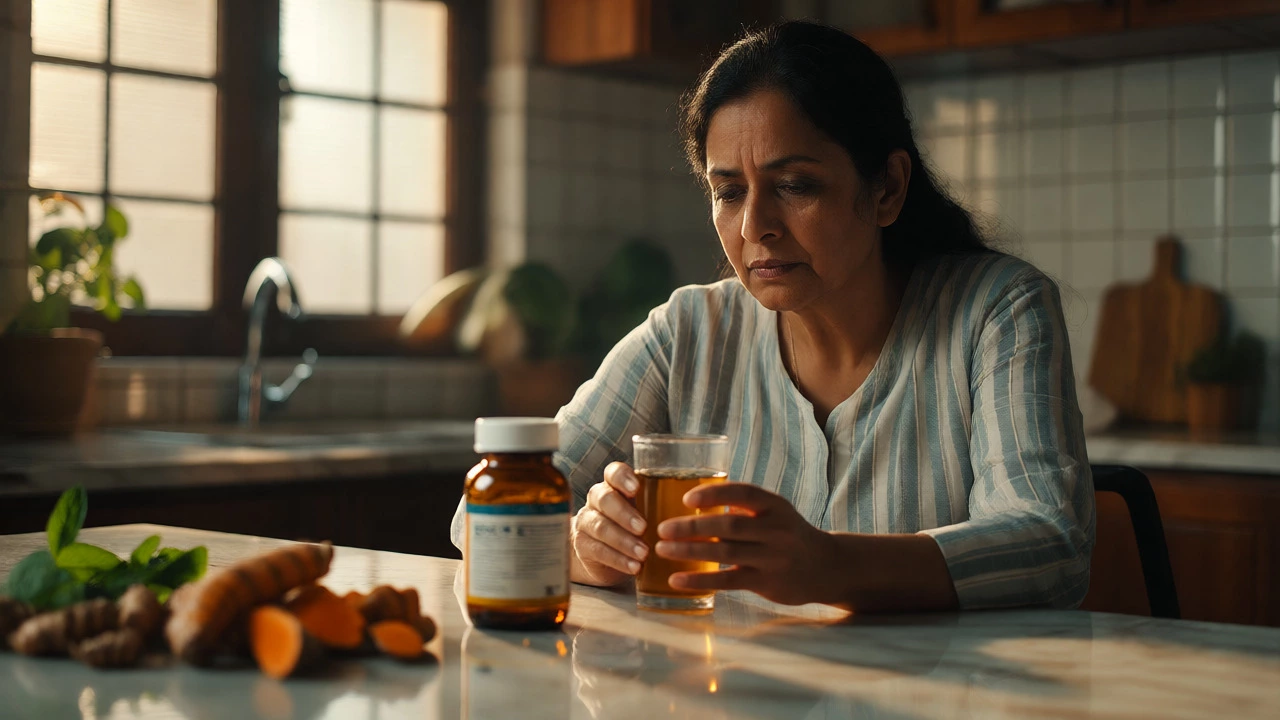
How to Protect Your Liver While Using Supplements
So, should you abandon all herbal remedies? Not necessarily. Knowledge and moderation are key. Here’s how to stay safe:
- Check the Source: Buy from brands that undergo third-party testing for purity and heavy metals. Look for certifications like USP or NSF.
- Limit Duration: Don’t take any single herb indefinitely. Give your liver breaks. Consult a healthcare provider before starting long-term regimens.
- Monitor Interactions: Herbs can alter how drugs work. St. John’s Wort, for example, induces liver enzymes that speed up the breakdown of medications like birth control pills and anticoagulants, reducing their effectiveness.
- Watch for Symptoms: Fatigue, nausea, right-upper-quadrant pain, itching, and jaundice are warning signs. If they appear, stop the supplement and seek medical advice.
| Herb Name | Primary Use | Toxic Compound | Risk Level |
|---|---|---|---|
| Kava | Anxiety, Insomnia | Kavalactones | High |
| Comfrey | Wound Healing (Topical) | Pyrrolizidine Alkaloids | High (Oral) |
| Green Tea Extract | Weight Loss, Antioxidant | Catechins (EGCG) | Moderate (High Dose) |
| Black Cohosh | Menopause Symptoms | Triterpene Glycosides | Low-Moderate |
| Chaparral | Skin Conditions, Arthritis | Nordihydroguaiaretic Acid | High |
Related Concepts and Broader Context
Understanding herbal toxicity requires looking beyond individual plants. The concept of hepatotoxicity applies broadly to both synthetic drugs and natural substances. Factors like age, genetics, existing liver disease (such as fatty liver or hepatitis B/C), and concurrent medication use significantly influence susceptibility.
Moreover, the quality of supplements varies wildly. Adulteration-adding undeclared ingredients-is a common issue. A product labeled "pure ashwagandha" might actually contain fillers or other herbs. This unpredictability adds another layer of risk. Regulatory frameworks differ globally. In the EU, stricter limits on PAs exist compared to some Asian markets. Travelers buying local herbal remedies abroad should exercise extra vigilance.
Can herbal supplements reverse liver damage?
Some herbs like Milk Thistle (Silymarin) are traditionally used to support liver health and may help protect cells from further damage. However, they cannot "cure" established cirrhosis or severe fibrosis. Always consult a hepatologist before using them for therapeutic purposes.
Is turmeric safe for the liver?
Turmeric is generally safe and anti-inflammatory. However, recent case reports link high-dose curcumin supplements to liver injury in some individuals, possibly due to enhanced absorption agents like piperine. Moderate culinary use is safe; high-dose supplementation warrants monitoring.
What are the first signs of herbal liver toxicity?
Early signs include fatigue, loss of appetite, nausea, and abdominal discomfort. As damage progresses, look for dark urine, pale stools, yellowing of skin or eyes (jaundice), and intense itching. Seek medical attention if these occur.
Does drinking water help flush out herbal toxins?
Hydration supports overall kidney function and general metabolic health, but it doesn't specifically "flush" liver toxins faster. The liver processes toxins enzymatically. Water helps excrete water-soluble waste via urine, but fat-soluble toxins require liver conversion first.
Are organic herbs safer for the liver?
Organic certification ensures no pesticide residues, which is good for overall health. However, it does not guarantee the absence of natural toxins like pyrrolizidine alkaloids. Organic Comfrey still contains PAs. Safety depends on the plant species and part used, not just farming method.
Next Steps for Safe Supplement Use
If you’re currently taking herbal supplements, review the labels against the list above. Check for ingredients like Kava, Comfrey, or Chaparral. If you’re unsure, bring the bottles to your next doctor’s appointment. Blood tests measuring ALT and AST enzymes can reveal subclinical liver stress before symptoms appear.
For those in Bangalore or elsewhere in India, where Ayurvedic traditions are deeply embedded, remember that "traditional" doesn't automatically mean "risk-free." Dosage matters. Formulation matters. Individual biology matters. Stay informed, stay cautious, and prioritize evidence-based choices over marketing hype.