Personalized Blood Sugar Drink Planner
Select Your Drinks
Your Personalized Schedule
Select drinks from the list to see your personalized daily schedule.
Imagine this: you just finished a heavy meal, your blood glucose is spiking, and you’re reaching for a glass of water. But what if that glass could do more than just quench your thirst? What if it could actively help pull that sugar out of your bloodstream? For millions of people managing diabetes or prediabetes conditions characterized by elevated blood glucose levels, the question isn’t just about what to eat-it’s about what to drink. While no beverage acts as an instant cure-all like a syringe of insulin, certain drinks can significantly improve insulin sensitivity, slow glucose absorption, and support metabolic health.
The market is flooded with "miracle" detox teas and expensive functional beverages claiming to reverse diabetes overnight. The reality is much simpler, cheaper, and backed by decades of clinical research. You don’t need exotic superfoods from the Amazon rainforest. You likely already have the most powerful tools in your kitchen cabinet. Let’s cut through the noise and look at the specific liquids that actually move the needle on glycemic control.
Water: The Foundation of Glycemic Control
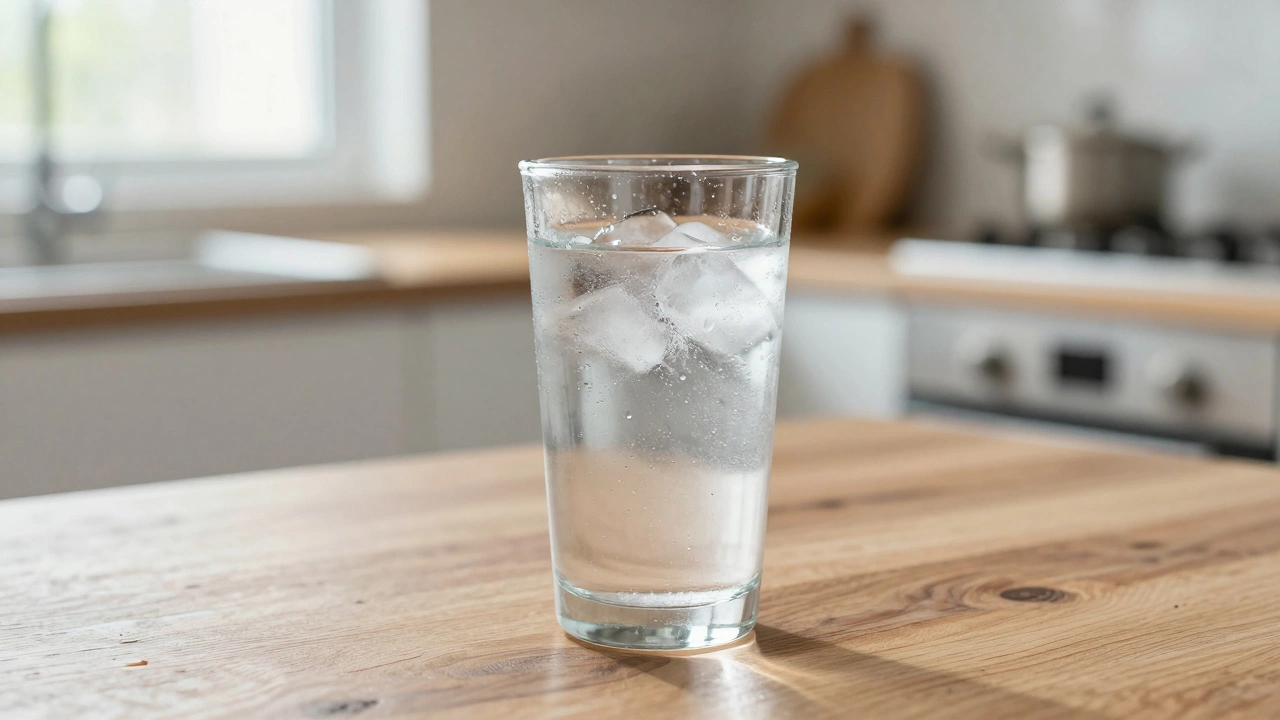
It sounds almost too simple to be true, but plain water is the single most effective tool for immediate blood sugar management. When you are dehydrated, your body produces higher concentrations of antidiuretic hormone (ADH). This hormone signals your kidneys to retain water, which inadvertently causes them to release stored glucose into your bloodstream. Essentially, dehydration concentrates your blood sugar.
Drinking adequate amounts of water helps dilute the glucose in your blood and allows your kidneys to flush out excess sugar through urine. A study published in the Journal of Clinical Endocrinology & Metabolism found that adults who drank five to six glasses of water per day had a significantly lower risk of developing high fasting plasma glucose compared to those who drank less. If you notice your numbers creeping up after a meal, chugging a large glass of cold water is the first, safest step you can take.
- Timing matters: Drink one glass of water 30 minutes before meals. This can reduce post-meal blood sugar spikes by helping you feel fuller and slowing down digestion.
- Daily target: Aim for roughly half your body weight in pounds (in ounces) daily, adjusted for activity level and climate.
Cinnamon Water: The Spice That Mimics Insulin
If water is the foundation, cinnamon is the active ingredient. Cinnamon contains compounds called polyphenols that may increase insulin sensitivity and help move glucose from the blood into cells. Specifically, a component in cinnamon known as methylhydroxychalcone polymer (MHCP) mimics the action of insulin.
You don’t need to buy expensive supplements. Simply steeping a stick of Ceylon cinnamon or true cinnamon in hot water for 10-15 minutes creates a potent infusion. Avoid "Cassia" cinnamon if you consume it daily in large quantities, as it contains coumarin, which can stress the liver over time. Ceylon cinnamon is safer for regular consumption.
Research indicates that consuming 1 to 6 grams of cinnamon daily can lower fasting blood glucose levels in people with type 2 diabetes. It doesn’t work instantly like medication, but consistent use over weeks can lead to measurable improvements in HbA1c levels.
Green Tea: The Antioxidant Powerhouse
Green tea has been consumed in Asia for centuries not just for its mild caffeine kick, but for its medicinal properties. The secret lies in catechins, particularly epigallocatechin gallate (EGCG). These antioxidants interfere with enzymes that break down carbohydrates, effectively slowing the rate at which sugar enters your bloodstream.
A meta-analysis of multiple randomized controlled trials showed that green tea extract supplementation significantly reduced fasting blood glucose and HbA1c levels. Unlike coffee, which can sometimes raise cortisol and subsequently blood sugar in sensitive individuals, green tea tends to have a stabilizing effect. Drinking two to three cups of unsweetened green tea daily is a low-risk, high-reward strategy for metabolic health.
| Beverage | Key Active Compound | Primary Mechanism | Best Time to Consume |
|---|---|---|---|
| Water | H2O | Dilutes blood glucose; aids kidney excretion | Before meals; throughout the day |
| Cinnamon Water | Polyphenols / MHCP | Mimics insulin; increases sensitivity | Morning or with meals |
| Green Tea | EGCG (Catechins) | Inhibits carbohydrate-digesting enzymes | Mid-morning or afternoon |
| Fenugreek Water | Soluble Fiber (Galactomannan) | Slows digestion and absorption of carbs | Night before (soaked seeds) |
| Vinegar Dilution | Acetic Acid | Improves muscle glucose uptake | 15 mins before high-carb meals |

Fenugreek Water: The Fiber Solution
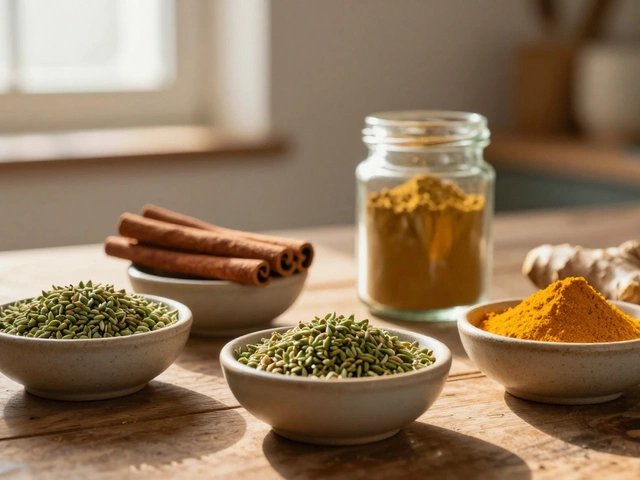
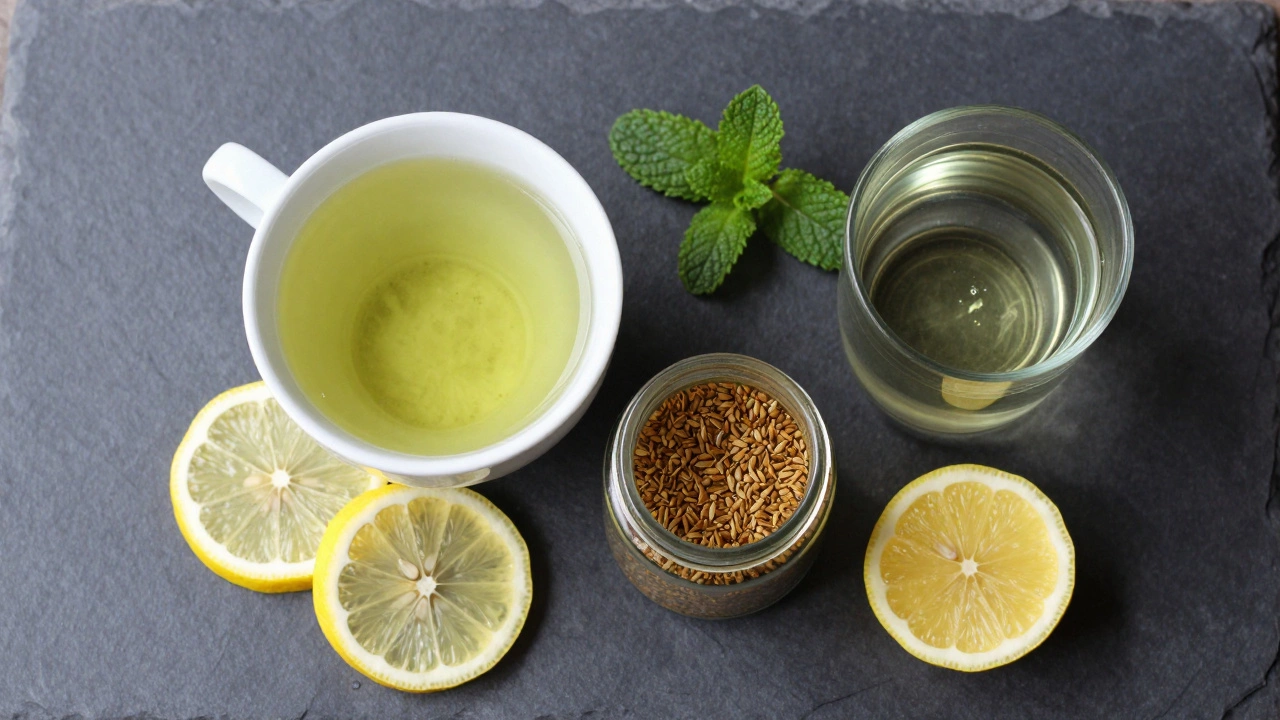
Fenugreek seeds are a staple in traditional Ayurvedic medicine for diabetes management. They are rich in soluble fiber, specifically galactomannan. When you soak fenugreek seeds overnight in water and drink the liquid in the morning, you are consuming a prebiotic fiber that forms a gel-like substance in your gut.
This gel slows down the digestion of food and the subsequent absorption of sugars. It’s a mechanical barrier to rapid glucose spikes. Studies have shown that fenugreek seed intake can significantly reduce postprandial (after-meal) blood glucose levels. For best results, use 1 tablespoon of seeds soaked in a cup of water for 8 hours. Strain and drink the water; you can also chew the softened seeds if you can handle the bitter taste.
Apple Cider Vinegar (ACV): The Acidity Advantage
While drinking straight vinegar is unpleasant and potentially damaging to tooth enamel, diluted apple cider vinegar is a scientifically supported intervention for blood sugar control. The acetic acid in vinegar improves insulin sensitivity during high-carbohydrate meals.
How does it work? Acetic acid appears to inhibit the disaccharidase enzymes in the small intestine, which are responsible for breaking down complex carbs into simple sugars. Additionally, it may stimulate the uptake of glucose by muscles. A classic protocol involves mixing 1-2 tablespoons of raw, unfiltered ACV (with the "mother") in a large glass of water and drinking it 15-20 minutes before a meal. This can blunt the post-meal glucose spike by up to 30% in some individuals.
Caution: Never drink vinegar undiluted. Always rinse your mouth with plain water afterward to protect your teeth. People on diuretics or insulin should monitor their levels closely, as ACV can enhance the hypoglycemic effect of medications.
Beverages to Avoid: The Hidden Spikes
Knowing what to drink is only half the battle. Equally important is knowing what to avoid. Many seemingly healthy drinks can wreak havoc on your blood sugar.
- Fruit Juices: Even 100% pure orange juice lacks the fiber of whole fruit. Without fiber, the fructose hits your bloodstream rapidly. Swap juice for whole fruit or water-infused with fruit slices.
- Sweetened Herbal Teas: Many store-bought herbal blends contain added cane sugar or honey. Check the label. If it says "sweetened," put it back.
- Regular Coffee with Syrup: Black coffee is generally fine and may even offer benefits. However, adding flavored syrups, whipped cream, or excessive milk turns it into a dessert. Stick to black coffee or add a splash of unsweetened almond milk and a dash of cinnamon.
- Sports Drinks: Unless you are running a marathon, these are essentially sugar water designed to replenish electrolytes lost through extreme exertion. For daily hydration, they will spike your glucose unnecessarily.
Practical Daily Routine for Blood Sugar Management
To integrate these drinks into your life without feeling overwhelmed, try this simple schedule:
- Upon Waking: Drink a large glass of warm water with lemon (optional) to rehydrate and jumpstart metabolism.
- Breakfast: If eating carbs, consider a small shot of diluted ACV beforehand. Follow with a cup of green tea.
- Mid-Morning: Plain water or cinnamon-infused water.
- Lunch: Start with a glass of water 30 minutes prior. Drink water throughout the meal.
- Afternoon Slump: Unsweetened green tea or black coffee. Avoid sugary snacks by staying hydrated.
- Dinner: Fenugreek water (prepared the night before) or another glass of water before eating.
- Evening: Chamomile tea (unsweetened) to aid sleep, as poor sleep negatively impacts insulin sensitivity.
Important Medical Considerations
While these drinks are powerful allies, they are not replacements for prescribed medication. If you are taking insulin or sulfonylureas (like glipizide or glyburide), combining them with strong blood-sugar-lowering foods like fenugreek or ACV can cause hypoglycemia (dangerously low blood sugar).
Always consult your healthcare provider before making significant changes to your diet, especially if you have kidney issues (which can affect fluid intake limits) or are pregnant. Monitor your blood glucose frequently when introducing new dietary elements to see how your unique body responds. Everyone’s metabolism is different; what works for one person might need adjustment for another.
Does lemon water lower blood sugar?
Lemon water itself does not actively lower blood sugar like medication, but it is an excellent alternative to sugary drinks. The acidity of lemon may slightly slow gastric emptying, leading to a more gradual rise in blood sugar after meals. Its primary benefit is hydration and vitamin C, which supports overall metabolic health.
Can I drink green tea every day for diabetes?
Yes, drinking 2-3 cups of unsweetened green tea daily is safe and beneficial for most people with diabetes. The catechins in green tea improve insulin sensitivity. However, be mindful of the caffeine content if you are sensitive to it, as excessive caffeine can raise cortisol levels, which may indirectly affect blood sugar.
Is apple cider vinegar safe for everyone with diabetes?
For most people, diluted apple cider vinegar is safe. However, individuals with gastroparesis (a condition where stomach emptying is delayed, common in long-term diabetes) should avoid ACV as it can worsen symptoms. Those on insulin or diabetes medications must monitor their blood sugar closely to prevent hypoglycemia.
How much cinnamon should I consume daily?
Studies suggest 1 to 6 grams of cinnamon per day can be effective. However, if you are using Cassia cinnamon, limit intake due to coumarin content, which can harm the liver. Ceylon cinnamon is safer for higher daily doses. Start with 1/2 teaspoon in your water or food and assess tolerance.
Do sports drinks help lower blood sugar?
No, standard sports drinks are high in sugar and will raise blood sugar levels. They are designed for athletes losing significant electrolytes through sweat. For general diabetes management, water, herbal teas, or electrolyte powders without added sugar are far better choices.