Knee Replacement Recovery Cost Estimator
Your Situation
Cost Breakdown
Hidden Costs Alert
Don't forget potential costs for travel to appointments, increased utility bills due to heating/cooling adjustments for comfort, and emergency supplies.
Select your options and click "Estimate Total Cost" to see the breakdown.
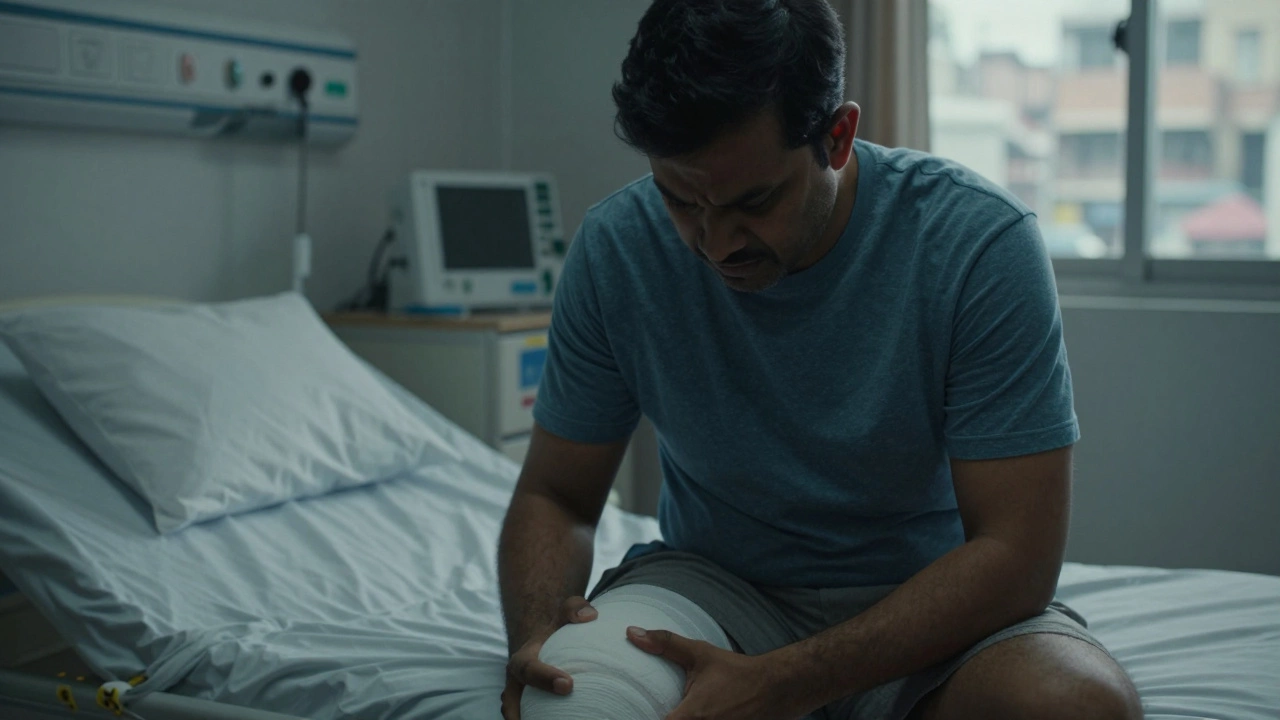
You’ve done the research. You’ve seen the before-and-after photos on social media where patients are hiking mountains six weeks after surgery. You’ve talked to your orthopedic surgeon, who told you that Total Knee Arthroplasty is one of the most successful surgeries in modern medicine with a 90% satisfaction rate. So why do you still feel a knot of anxiety in your stomach? Because the glossy brochures and quick success stories rarely mention the gritty, uncomfortable, and often frustrating reality of what comes next.
The medical community focuses heavily on the technical success of the procedure-did the bone heal? Is the implant stable? But they often gloss over the human experience: the sleepless nights, the phantom pains, the psychological toll of dependency, and the specific lifestyle adjustments that aren’t printed in the consent forms. This article pulls back the curtain on what doctors don’t always have time to tell you during a fifteen-minute consultation.
The "Good Pain" vs. The Bad Pain
Surgeons will tell you that pain is subjective. They won’t always tell you that for the first two weeks, distinguishing between healing pain and complication pain is nearly impossible. Most patients expect acute surgical pain-the sharp sting of incisions. What they don’t expect is the deep, throbbing ache that radiates up the thigh or down the calf, which can last for months.
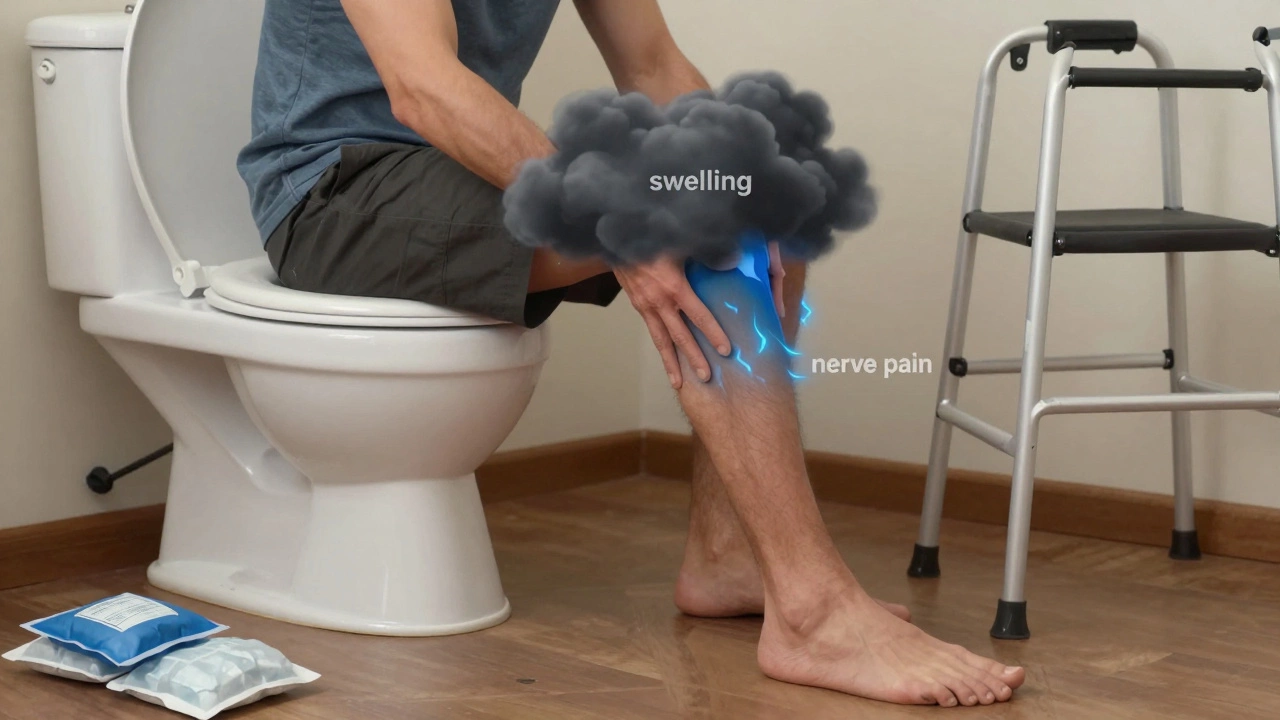
This isn't just about taking extra ibuprofen. It’s about understanding nerve regeneration. When surgeons cut through tissue to access the knee joint, they sever small sensory nerves. As these nerves heal, they misfire. You might feel burning sensations, tingling, or sudden electric shocks around the scar site. This phenomenon, known as neuropathic pain, affects roughly 15-20% of patients but is rarely discussed pre-operatively because it’s not considered a "failure" of the surgery, even though it feels like one.
Furthermore, there is the issue of referred pain. Your hip or lower back might start hurting more than your knee did. Why? Because you’ve been walking with a limp for years to avoid knee pain. Your entire kinetic chain has adapted to dysfunction. When the knee is fixed, your body suddenly has to relearn how to walk normally, putting new stress on joints that have been compensating. If you haven’t strengthened your core and hips beforehand, this transition can be painful and confusing.
The Reality of Physical Therapy: It’s Not Optional
If there is one thing surgeons emphasize, it’s physical therapy (PT). But they don’t always convey the sheer volume of work required. PT isn’t a suggestion; it’s the difference between a functional leg and a stiff, useless prosthetic hinge. The biggest secret? Post-operative swelling is the primary enemy of range of motion.
Most patients think they need to push through the pain to bend their knee. In reality, if you don’t manage swelling aggressively in the first 72 hours, your brain will subconsciously lock the knee to protect it. This is called arthrogenic muscle inhibition. You might leave the hospital thinking you’re doing fine, only to find three weeks later that you can’t straighten your leg past 30 degrees. Breaking that stiffness requires intense, often painful manipulation that could have been avoided with better early ice and elevation protocols.
Also, consider the home environment. Surgeons assume you have a setup for recovery. Do you? Can you get in and out of your bed without using your legs? Do you have a raised toilet seat? If you live in a multi-story house without an elevator, your recovery timeline just doubled. These logistical nightmares are rarely addressed until discharge day, leaving families scrambling to buy equipment at premium prices.
The Psychological Toll of Dependency
We treat the knee, but we ignore the mind. For many patients, especially older adults, losing independence for four to eight weeks is devastating. You cannot drive. You cannot cook safely if you drop something. You cannot shower alone. This forced dependency can trigger feelings of helplessness, depression, and anxiety that persist long after the wound heals.
Studies suggest that pre-existing mild depression can worsen significantly post-surgery due to sleep disruption and pain. Yet, few surgeons screen for mental health readiness. They focus on blood sugar levels and BMI, ignoring the fact that a patient’s mental resilience is just as critical for rehabilitation adherence as their physical strength. If you are prone to catastrophizing pain, the recovery process will feel exponentially harder.
Implant Longevity and the "Revision" Conversation
Your surgeon likely told you your implant will last 15 to 20 years. That statistic is based on average data from low-activity patients. It doesn’t account for your specific lifestyle. If you play tennis, hike rocky trails, or maintain a high body weight, that clock ticks faster. Polyethylene liners wear down. Metal components loosen. This process is called aseptic loosening.
Here’s the hard truth: a revision knee replacement (replacing the old implant) is significantly more complex, risky, and less successful than the primary surgery. Bone stock is lost in the first operation, making the second one mechanically challenging. Many surgeons hesitate to discuss this because it sounds discouraging. But you need to know that by having a knee replacement at age 60, you are statistically guaranteed to need a revision surgery later in life. Planning for this financial and physical burden is crucial.
| Factor | Primary TKA | Revision TKA |
|---|---|---|
| Surgery Duration | 1-1.5 hours | 2-4 hours |
| Blood Loss Risk | Low-Moderate | High (often requires transfusion) |
| Recovery Time | 3-6 months | 6-12 months |
| Patient Satisfaction Rate | ~90% | ~70-75% |
| Cost | $30,000 - $50,000 | $60,000 - $100,000+ |
The Phantom Sensation and Temperature Changes
Even years after a successful surgery, many patients report feeling "cold" in the operated knee. This isn’t just a metaphor. The surgical approach often involves cutting or retracting saphenous nerve branches, which can lead to permanent changes in temperature sensation. Some patients feel a constant chill, while others feel burning heat. This sensory mismatch can be disconcerting, especially in winter, leading some to believe the implant is failing when it’s actually just nerve damage.
Additionally, the knee may never feel exactly like the native joint. It lacks the proprioceptive feedback-the internal sense of position-that natural ligaments provide. You might feel unstable on uneven ground, even if the implant is perfectly aligned. This "mechanical" feeling is normal but unsettling. Learning to trust the artificial joint takes cognitive effort and balance training that goes beyond standard PT.
Infection Risks: The Silent Threat
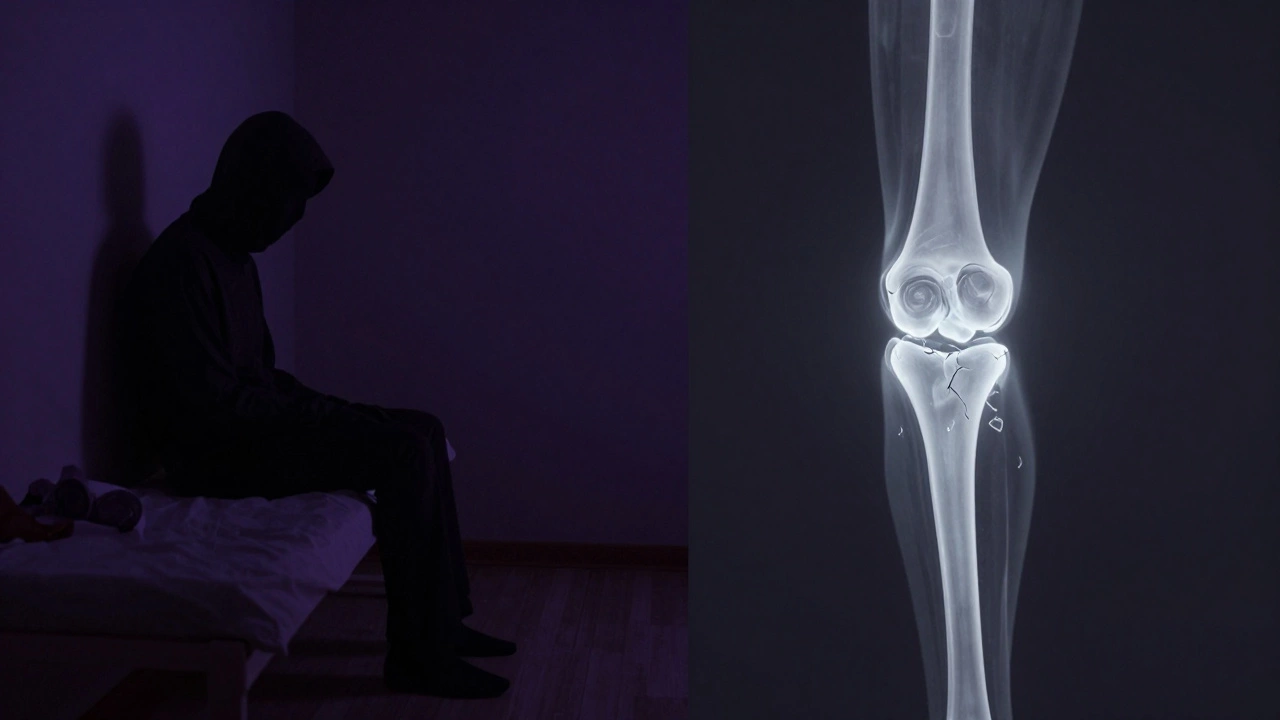
While rare, periprosthetic joint infection (PJI) is the nightmare scenario. It occurs in less than 1% of cases, but its impact is catastrophic. Bacteria like Staphylococcus aureus can lie dormant on the implant surface for months or even years before causing an outbreak. A simple dental procedure, urinary tract infection, or skin boil elsewhere in the body can seed bacteria into the bloodstream, which then travel to the metal implant.
Doctors usually advise antibiotic prophylaxis before dental work, but guidelines vary. More importantly, you need to monitor for subtle signs: a knee that becomes warm, slightly swollen, or achy without obvious injury. Don’t dismiss it as "just arthritis acting up." Early detection of PJI is critical. If caught late, the only solution is removing the entire implant, placing an antibiotic spacer, and waiting weeks before attempting another reconstruction. This is a life-altering complication that requires vigilant self-monitoring.
The Cost Beyond the Surgery
The price tag of the surgery itself is just the beginning. There are hidden costs that add up quickly:
- Durable Medical Equipment: Walkers, knee braces, elevated toilet seats, and shower chairs can cost hundreds of dollars if not covered fully by insurance.
- Home Health Aides: If you live alone, hiring help for the first two weeks is essential but expensive.
- Lost Wages: Even if you work remotely, the inability to concentrate due to pain and medication side effects can reduce productivity.
- Travel: If you fly home after surgery, you face airline fees for extra legroom, potential delays, and the risk of deep vein thrombosis (DVT).
Budgeting for these indirect costs prevents financial stress during recovery, which directly impacts your ability to focus on healing.
How long does the severe pain last after knee replacement?
Acute surgical pain typically peaks within the first 72 hours and subsides significantly within 2-3 weeks. However, deeper aching, stiffness, and neuropathic sensations (burning/tingling) can persist for 3 to 6 months. Full resolution of all discomfort may take up to a year, though most daily activities become pain-free much sooner.
Can I really never run or jump again?
Most surgeons strongly advise against high-impact activities like running, jumping, or contact sports. These actions place excessive stress on the polyethylene liner, accelerating wear and tear. Low-impact activities such as swimming, cycling, golf, and hiking on flat surfaces are generally encouraged and safe for most patients.
Why does my knee feel cold all the time?
This is a common side effect caused by damage to small sensory nerves during the surgical approach. The nerves responsible for temperature regulation may not fully regenerate, leading to a persistent sensation of coldness. While usually harmless, it can be uncomfortable. Keeping the area warm and avoiding direct cold exposure helps manage this symptom.
What are the signs of a knee replacement infection?
Signs include increased warmth around the knee, persistent swelling, redness, drainage from the incision site, fever, and unexplained night sweats. Sometimes, the only sign is a gradual increase in pain or stiffness months or years after surgery. Any sudden change in knee behavior should be evaluated by a doctor immediately.
Do I need to prepare my home before surgery?
Yes, absolutely. Remove tripping hazards like rugs, install grab bars in the bathroom, use a raised toilet seat, and set up a recovery area on the main floor if possible. Having a walker ready and organizing essentials within arm's reach reduces fall risk and frustration during the initial weeks of limited mobility.