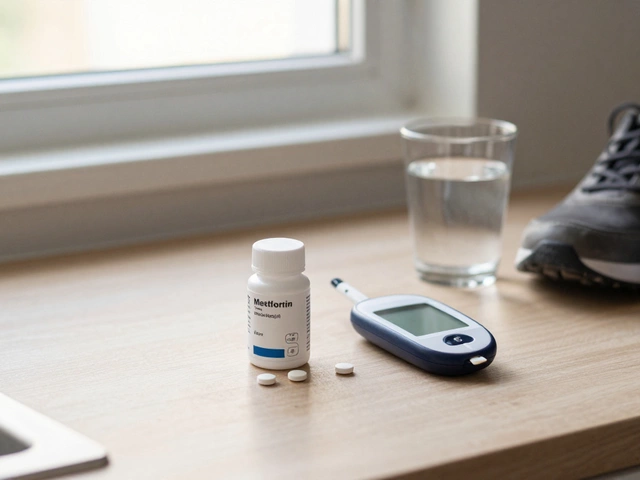
Metformin Risks: What You Need to Know Before Taking It
When it comes to type 2 diabetes, Metformin, a first-line oral medication used worldwide to lower blood sugar by reducing liver glucose production and improving insulin sensitivity. Also known as glucophage, it’s cheap, effective, and has been used for over 60 years. But just because it’s common doesn’t mean it’s harmless. Millions take it daily without issues, but some people face real, sometimes serious, risks—especially if they don’t know what to watch for.
One of the biggest concerns is lactic acidosis, a rare but life-threatening buildup of lactic acid in the blood, often triggered by kidney problems, dehydration, or alcohol use. It’s rare—less than 0.03 cases per 1,000 patient-years—but when it happens, it hits fast. Symptoms? Muscle pain, trouble breathing, stomach upset, dizziness. If you’re over 65, have kidney disease, or get dehydrated easily, your doctor should check your kidney function before and during treatment. Another hidden risk is vitamin B12 deficiency, a side effect seen in up to 30% of long-term users, which can cause nerve damage, fatigue, and brain fog if left untreated. Most people don’t get tested for it, so ask your doctor for a blood check every year if you’ve been on Metformin for more than three years.
Metformin also interacts with other drugs. If you’re on diuretics, contrast dyes for CT scans, or certain heart meds, your risk of side effects goes up. And while it doesn’t cause low blood sugar on its own, combining it with insulin or sulfonylureas can. Many people think Metformin is completely safe because it’s the go-to drug—but safety depends on your body, your habits, and your monitoring. You can’t just take it and forget it.
What you’ll find below are real stories and facts from people who’ve lived with these risks—not theory, not ads, not generic warnings. We’ve pulled together posts that break down exactly how Metformin affects your kidneys, what symptoms to never ignore, why some people can’t take it at all, and how to protect yourself while using it. Whether you’re on it now, thinking about starting, or just curious why your doctor chose it over other drugs, this collection gives you the unfiltered truth behind the prescription.

Metformin Downfall: What You Really Need to Know
Metformin is a go-to pill for millions dealing with type 2 diabetes. But it’s not a free ride—there are real downsides to keep in mind. This article uncovers the biggest drawbacks, from stomach problems to more serious risks like B12 deficiency. You’ll get practical tips for handling side effects and what to watch out for. If you're on metformin or thinking about it, these facts could save you a ton of hassle.
View MoreLatest Posts