King of All Herbs: What It Really Means and Which Herbs Really Deliver
When people call something the king of all herbs, a term often used for turmeric or ashwagandha in traditional medicine systems like Ayurveda. It’s not just hype—it’s a nod to how deeply these plants are woven into healing traditions across India and beyond. But here’s the truth: no single herb is the king for everyone. What works for blood sugar, inflammation, or stress in one person might do nothing—or even cause harm—in another. The real power lies in knowing which herb fits your body, your condition, and your meds.
The Ayurvedic herbs, a category of plant-based remedies used for thousands of years in India to balance the body’s doshas like turmeric, ashwagandha, and tulsi aren’t just supplements. They’re tools. Turmeric’s curcumin fights inflammation. Ashwagandha lowers cortisol. Tulsi supports immunity. But none of them work like magic pills. They need the right dose, timing, and, most importantly, awareness of what they’re mixed with. That’s why herbal medicine, the use of plants to treat or prevent illness, often alongside conventional care can be risky if you’re not careful. A 2023 study in the Journal of Clinical Pharmacology found that nearly 1 in 5 people taking herbal supplements also used prescription drugs—and over 30% of those combinations had unknown or dangerous interactions. One person might take ashwagandha for stress and not realize it’s lowering their blood pressure too far because they’re already on a beta-blocker. Another might pop turmeric capsules daily, thinking it’s safe, only to end up with stomach bleeding because they’re on blood thinners.
The strongest herbs, those with potent, measurable biological effects aren’t always the ones with the loudest marketing. They’re the ones backed by science and used carefully. Ashwagandha isn’t the king because it’s popular—it’s because it’s been shown in multiple trials to reduce cortisol by up to 30%. Turmeric isn’t the king because it’s yellow—it’s because curcumin blocks more than 100 inflammatory pathways. But strength doesn’t mean safety. The same herb that helps your thyroid might mess with your liver if you’re on statins. The same one that calms your nerves might make your diabetes meds less effective.
So who decides the king? Not marketers. Not Instagram influencers. Not even ancient texts alone. It’s you—when you understand your body, your meds, and your goals. That’s why the posts here don’t just list herbs. They show you what happens when you mix them wrong, how they interact with real drugs like metformin or Ozempic, and why an Ayurvedic cleanse might leave you dizzy instead of detoxed. You’ll find out which herbs actually help with weight loss, which ones could be dangerous after heart surgery, and why some people feel better on them while others get sick. There’s no universal king. But there’s a right herb for you—if you know how to find it.
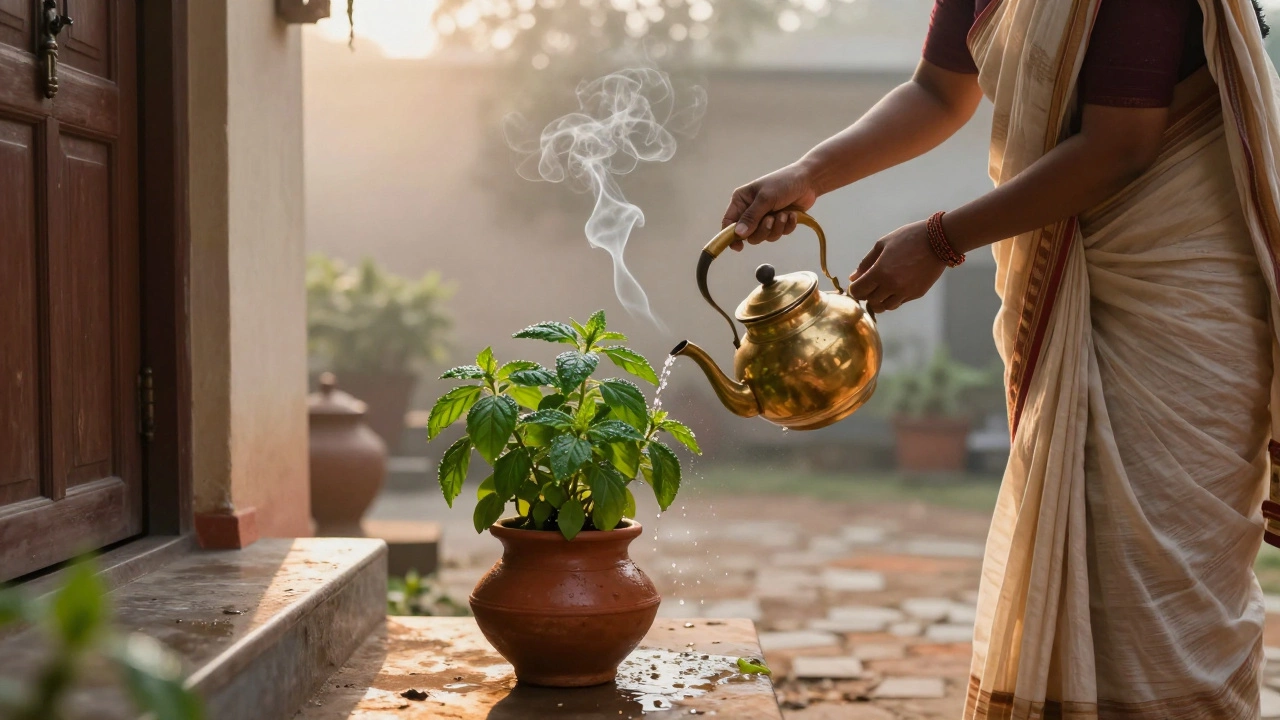
What Is the King of All Herbs in Ayurveda?
Tulsi, or holy basil, is known as the king of all herbs in Ayurveda for its powerful effects on immunity, stress, and respiratory health. Used daily in Indian households for thousands of years, it’s a natural, safe herb with science-backed benefits.
View MoreLatest Posts