Tulsi Usage Calculator
Personalized Tulsi Recommendations
Find your optimal tulsi usage based on your health goals and current conditions
Your Personalized Tulsi Plan
Enter your preferences and click 'Calculate My Tulsi Plan' to see your personalized recommendations
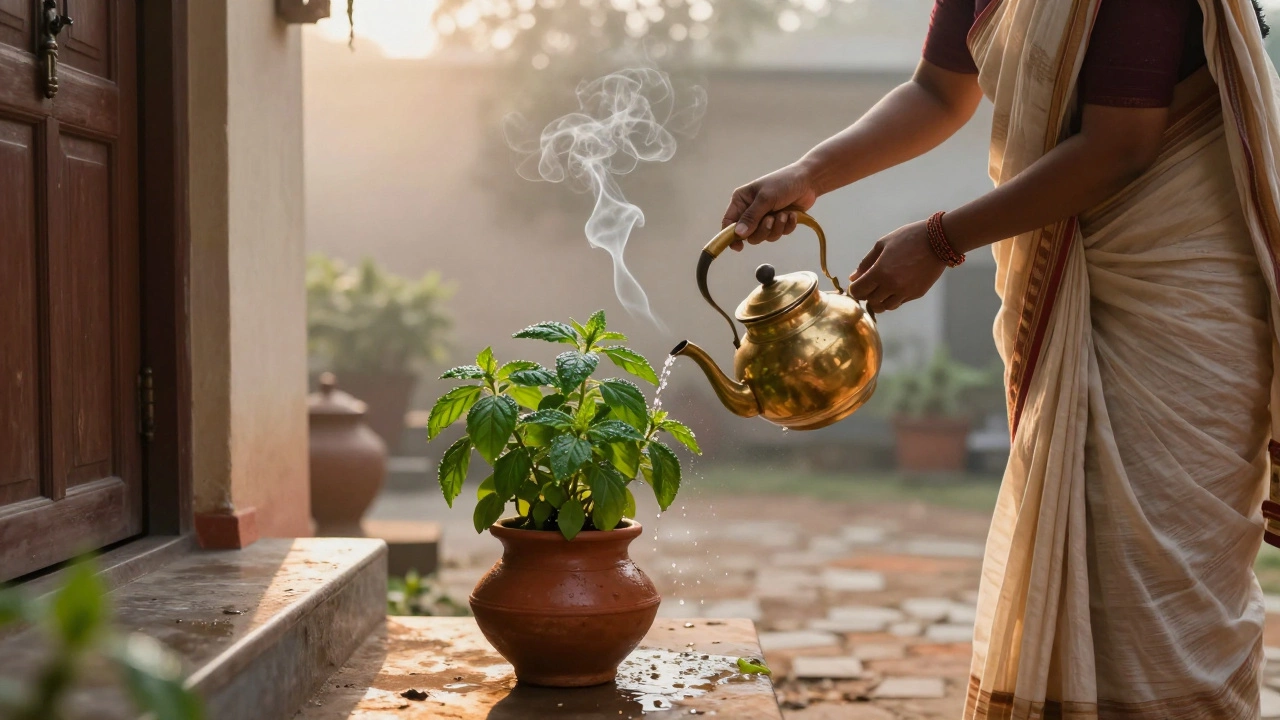
Ask anyone who follows Ayurveda what the king of all herbs is, and they’ll point to tulsi-also known as holy basil. It’s not just another plant in the garden. In India, it’s grown in nearly every home, often near the entrance or in a small clay pot, tended with care like a family member. People offer water to it every morning, light incense nearby, and even whisper prayers. This isn’t superstition. It’s centuries of lived experience backed by science.
Why Tulsi Is Called the King of Herbs
Tulsi isn’t called the king of all herbs because it’s the most powerful in one area-it’s because it works across so many systems in the body. While other herbs might help with digestion or sleep, tulsi supports immunity, reduces stress, cleanses the lungs, balances blood sugar, fights inflammation, and even protects the liver. It’s not a miracle cure, but it’s one of the few plants that gently nudges the body back into balance without side effects.
Ayurveda calls tulsi a Rasayana-a rejuvenating herb that promotes longevity and mental clarity. Ancient texts like the Charaka Samhita mention it for treating fever, cough, asthma, and even insect bites. Modern research confirms these uses. A 2018 study published in the Journal of Clinical and Diagnostic Research found that tulsi extract significantly lowered cortisol levels in people under chronic stress. Another study in the Indian Journal of Pharmacology showed it improved lung function in asthma patients after just four weeks of daily use.
How Tulsi Works in the Body
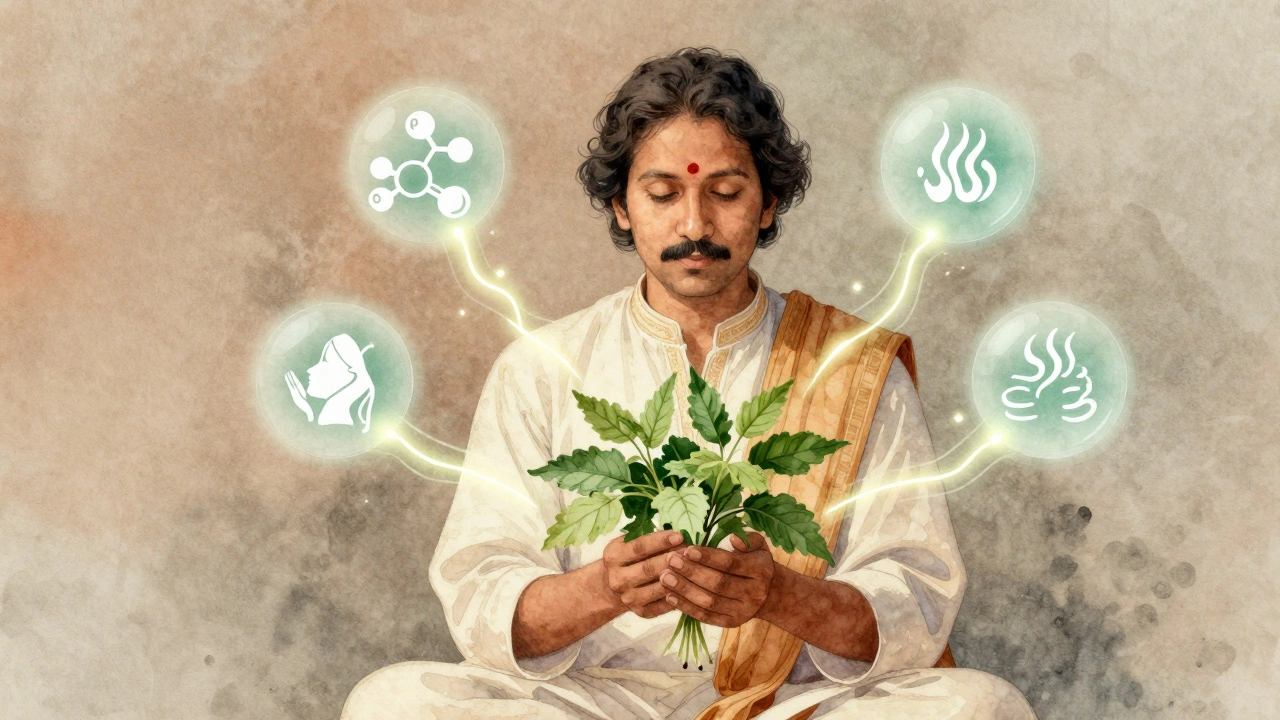
Tulsi’s power comes from its chemical makeup. It contains eugenol, ursolic acid, rosmarinic acid, and linalool-all compounds with proven anti-inflammatory and antioxidant effects. These aren’t just lab findings. They translate into real-world results.
For example, if you’re constantly tired from stress, tulsi helps regulate your adrenal glands. It doesn’t force your body to produce more energy-it helps your body stop burning out. If you’re dealing with seasonal allergies, tulsi reduces histamine release naturally, without the drowsiness you get from antihistamine pills. If you’re recovering from an infection, its antibacterial and antiviral properties help your immune system do its job faster.
Unlike synthetic drugs that target one pathway, tulsi works on multiple fronts. It’s like a Swiss Army knife for your biology. That’s why Ayurvedic practitioners don’t prescribe it for one condition-they recommend it as part of daily wellness.
How to Use Tulsi in Daily Life
You don’t need a doctor’s prescription to use tulsi. Here’s how real people use it:
- Tulsi tea: Boil 5-6 fresh leaves in a cup of water for 5 minutes. Strain, add a touch of honey if needed. Drink it warm in the morning or before bed. This is the most common way.
- Chewing fresh leaves: Eat 2-3 leaves on an empty stomach. It tastes slightly peppery and bitter, but the aftertaste is refreshing. This is especially helpful for throat irritation or bad breath.
- Tulsi paste: Crush leaves with a little water and apply to insect bites, minor cuts, or acne. It reduces swelling and prevents infection.
- Dried powder: Some people mix 1/2 teaspoon of dried tulsi powder into warm milk or water. It’s a traditional remedy for colds and coughs.
There’s no magic dose. Most people start with one cup of tea a day and adjust based on how they feel. Consistency matters more than quantity.
Tulsi vs. Other Popular Herbs
People often compare tulsi to ashwagandha, turmeric, or ginger. Each has its strengths, but tulsi stands apart.
| Herb | Primary Use | Best For | Side Effects |
|---|---|---|---|
| Tulsi (Holy Basil) | Immunity, stress, respiratory health | Daily wellness, long-term balance | Very rare; mild stomach upset in high doses |
| Ashwagandha | Adrenal support, sleep, testosterone | Chronic stress, low energy, insomnia | Can cause drowsiness; not for autoimmune conditions |
| Turmeric | Inflammation, joint pain | Arthritis, post-injury recovery | May thin blood; interact with anticoagulants |
| Ginger | Digestion, nausea, circulation | Morning sickness, motion sickness, colds | Heartburn in sensitive individuals |
Tulsi doesn’t replace these herbs-it complements them. If you’re taking ashwagandha for stress, adding tulsi tea helps your body handle the stress better. If you’re using turmeric for joint pain, tulsi helps reduce the inflammation that causes the pain in the first place.
Who Should Avoid Tulsi?
Tulsi is safe for most people, but there are a few exceptions.
- Pregnant women: While small amounts in tea are generally fine, high doses or concentrated extracts may affect hormone levels. Better to skip during pregnancy unless advised by an Ayurvedic practitioner.
- People on blood thinners: Tulsi has mild anticoagulant properties. If you’re on warfarin or aspirin daily, check with your doctor before taking large amounts.
- Those with low blood sugar: Tulsi can lower blood glucose. Diabetics on medication should monitor levels closely.
- People with thyroid conditions: Some animal studies suggest tulsi may affect thyroid hormone production. Human data is limited, so caution is wise.
For the vast majority, though, tulsi is as safe as drinking tea. It’s been used daily in Indian households for over 3,000 years without issue.

The Cultural Weight of Tulsi
In Hindu tradition, tulsi is considered an earthly form of the goddess Lakshmi. It’s not just medicine-it’s sacred. That spiritual connection isn’t just symbolism. It’s part of why tulsi works so well for so many people.
When you grow tulsi at home, you’re not just planting a herb. You’re creating a daily ritual. Watering it, cleaning its leaves, sitting quietly near it-these small acts reduce stress. They ground you. Science calls this the placebo effect. Ayurveda calls it prana-life force. Either way, the result is the same: you feel calmer, clearer, and more resilient.
That’s why tulsi isn’t just the king of herbs. It’s the quiet, daily companion that helps you live better-not just treat symptoms.
Where to Find Real Tulsi
Not all tulsi is the same. There are three main types: Rama Tulsi (green leaves), Krishna Tulsi (purple leaves), and Vana Tulsi (wild variety). Rama and Krishna are the most common in homes and herbal teas. Krishna Tulsi is slightly stronger in flavor and has higher eugenol content.
When buying dried tulsi, look for leaves that are dark green or purple, not brown or dusty. Avoid powders that smell faint or overly earthy-they’re likely old or diluted. Fresh leaves are always best. If you can’t grow your own, buy from trusted Ayurvedic brands like Dabur, Himalaya, or Organic India. Check the label: it should say Ocimum tenuiflorum-that’s the scientific name.
Don’t trust products labeled as "holy basil extract" unless they specify the concentration. Many are just flavorings with little actual herb.
Is tulsi the same as regular basil?
No. Regular basil (Ocimum basilicum) is used in cooking, especially in Italian dishes. Tulsi (Ocimum tenuiflorum) is a different species with a stronger, spicier taste and medicinal properties. They’re related but not interchangeable.
Can I take tulsi with my medications?
Tulsi is generally safe with most medications, but it can interact with blood thinners, diabetes drugs, and thyroid medications. If you’re on any prescription, talk to your doctor before adding tulsi daily. Start with small amounts and monitor how you feel.
How long does it take for tulsi to work?
For stress and sleep, some people notice a difference in 3-5 days. For immune support or respiratory benefits, it usually takes 2-4 weeks of consistent use. Tulsi isn’t fast-acting like a painkiller-it’s a long-term support system.
Can children use tulsi?
Yes. Children can drink weak tulsi tea (1-2 leaves steeped) for colds or coughs. For kids under 5, avoid chewing leaves directly. Always start with small amounts and watch for any reaction.
Why is tulsi grown in homes in India?
It’s grown at home because it’s both sacred and practical. Families use it daily for health, and keeping it near the entrance is believed to purify the air and bring positivity. It’s also easy to grow, needs little water, and repels insects naturally.
Next Steps: How to Start Using Tulsi Today
If you’ve never tried tulsi, start simple. Buy a small pot of fresh tulsi from an Indian grocery store or online. Place it on your windowsill. Each morning, pick 5 leaves, rinse them, and steep them in hot water for 5 minutes. Drink it slowly. Pay attention to how your throat feels, how your mind clears, how your breath slows.
After a week, ask yourself: Do I feel calmer? Less reactive to stress? More resilient when I catch a cold? If the answer is yes, you’ve found your daily herb. If not, you’ve still tried something ancient, safe, and natural-something most people never even consider.