Cardiac Surgery: Risks, Recovery, and What Really Happens After the Operation
When you hear cardiac surgery, a surgical procedure to repair or replace damaged heart structures, often used for blocked arteries, valve issues, or congenital defects. Also known as open-heart surgery, it’s one of the most common yet complex interventions in modern medicine. For millions in India, it’s not just a procedure—it’s a turning point in how they live, breathe, and think.
But cardiac surgery doesn’t happen in a vacuum. It’s deeply tied to heart surgery risk factors, conditions like diabetes, kidney disease, obesity, or smoking that make complications more likely. Doctors use these to decide who’s a good candidate—and who isn’t. Then there’s the post-heart surgery recovery, the long, often unpredictable journey back to normal life, where pain, fatigue, and even mood changes can surprise patients. And let’s not forget the brain effects after heart surgery, the memory lapses, confusion, or personality shifts that affect up to 42% of older patients, caused by tiny clots, inflammation, or anesthesia. These aren’t side notes—they’re central to understanding what cardiac surgery really does to your body.
People often think recovery means just healing the chest. But the real story is deeper. Why does day three hurt the most? Why do some people forget names or get angry for no reason? Who should avoid surgery altogether? These aren’t random questions—they’re the ones people actually ask in hospital waiting rooms and at kitchen tables across India. The articles below cut through the noise. You’ll find clear answers on how long you’ll stay in the hospital, whether ribs are really broken, if you ever get your old self back, and what makes someone ineligible for surgery. No fluff. No jargon. Just what you need to know before, during, and after.

Do You Need a Caretaker After Open-Heart Surgery?
After open-heart surgery, recovery isn't just about rest-it needs support. Learn why having a caretaker for at least the first month is critical for safety, healing, and avoiding dangerous complications.
View More
Who Is High Risk for Heart Surgery? Key Factors That Increase Complications
Learn who is at highest risk for heart surgery, including factors like age, diabetes, kidney disease, smoking, and obesity. Understand how doctors assess risk and what you can do to improve your chances.
View More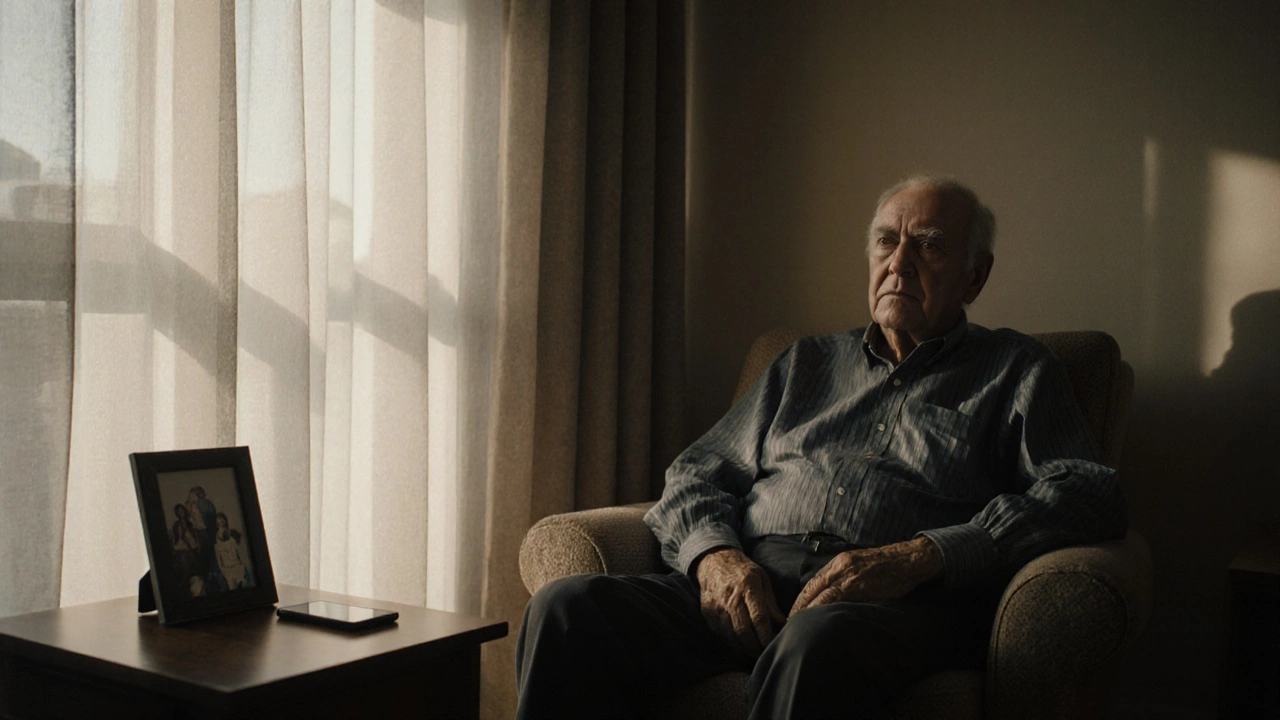
Why Do People Experience Personality Changes After Open-Heart Surgery?
Many people experience personality and cognitive changes after open-heart surgery due to brain inflammation, micro-emboli, and anesthesia effects. These shifts are common, often temporary, and treatable with early intervention.
View More
What Happens to the Brain After Heart Surgery?
Heart surgery can affect brain function, causing memory issues and brain fog in up to 42% of older patients. Learn why this happens, who’s at risk, and how to support brain recovery after surgery.
View More
Why Is Day 3 After Heart Surgery the Worst?
Day 3 after heart surgery is often the hardest because pain peaks, inflammation rises, and emotional fatigue hits. Understanding why helps you prepare and recover better.
View More
Average Hospital Stay After Heart Surgery - What to Expect
Discover the typical hospital stay after heart surgery, broken down by procedure type, key factors, and discharge criteria to help you plan recovery.
View More
Who Is Not a Good Candidate for Heart Surgery? Risks and Contraindications Explained
Learn which medical, age‑related, and lifestyle factors make patients unsuitable for heart surgery and discover the key risk tools and alternatives.
View More
Do They Still Break Ribs for Open-Heart Surgery? The Real Story on Sternotomy and Modern Heart Surgery
Are ribs still broken in open-heart surgery? Learn how surgeons access the heart, common myths, and what new techniques mean for patients facing cardiac surgery.
View More
Do You Ever Fully Recover from Open-Heart Surgery?
Wondering if life ever gets fully back to normal after open-heart surgery? This article breaks down what recovery really looks like, what you can expect months and years down the line, and what most people wish they knew before going under the knife. We get into the physical and emotional sides, surprising facts, and helpful tips for bouncing back. You'll get honest, clear answers and some practical advice to make the road ahead less scary. If you or someone you care about is facing heart surgery, this guide clears up what recovery means—and what it doesn't.
View More
How Long Does Heart Surgery Take? Timing, What to Expect, and Recovery Facts
Wondering how long heart surgery actually takes? This article breaks down the usual timelines for different heart surgeries, what influences the duration, and practical tips for preparing. You'll get a straight-up look at what happens before, during, and after surgery. No medical jargon—just facts, advice, and answers to the stuff you really want to know if you or someone you love is facing heart surgery.
View MoreLatest Posts