Ancient Biblical Remedy Finder
Select a plant or resin from the ancient Judean landscape to discover its traditional purpose and how it is used in the modern world.
Click an ingredient above to explore its properties
Discover the pharmacy of the 1st-century Levant
Key Takeaways
- Hyssop was used for ritual cleansing and likely for its antimicrobial properties.
- Frankincense and Myrrh were high-value resins used for healing and preservation.
- Olive Oil served as the base for almost every herbal remedy in the region.
- Ancient healing relied on a mix of faith, dietary laws, and locally available wild herbs.
The Ritual and Medicine of Hyssop
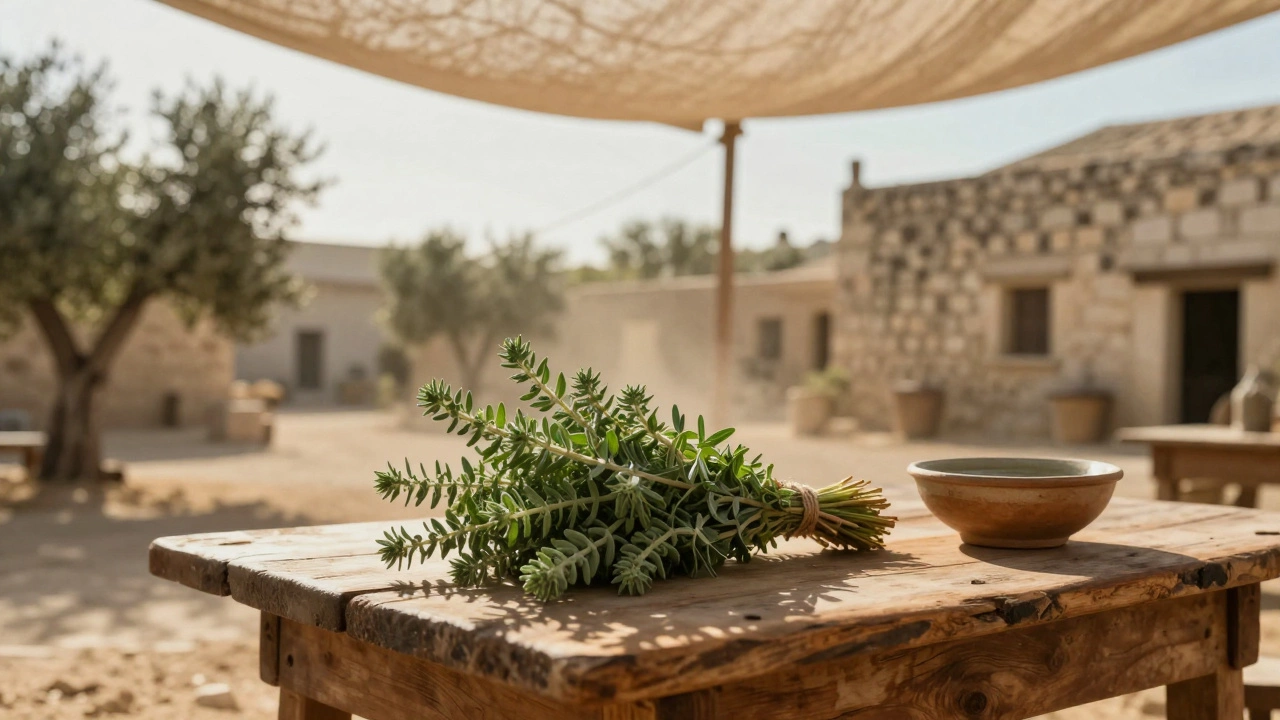
If there is one plant that appears repeatedly in a context of purity and healing, it is Hyssop is a fragrant herb from the Lamiaceae family, used in ancient times for both spiritual purification and physical cleansing. Also known as Origanum syriacum in its biblical form, it was often used as a brush to sprinkle blood or water during rituals. But why this plant? From a practical standpoint, hyssop contains compounds that act as natural antiseptics. In a world without antibiotics, using a plant with antimicrobial properties to "cleanse" a wound or a space made a lot of sense.
Imagine a dusty village in Galilee. A person with a skin infection wouldn't have a pharmacy; they would have a bundle of hyssop. The volatile oils in the plant help inhibit the growth of bacteria, which is why it was linked to the idea of being "made clean." It wasn't just a religious symbol; it was a tool for survival.
Resins of the Magi: Frankincense and Myrrh
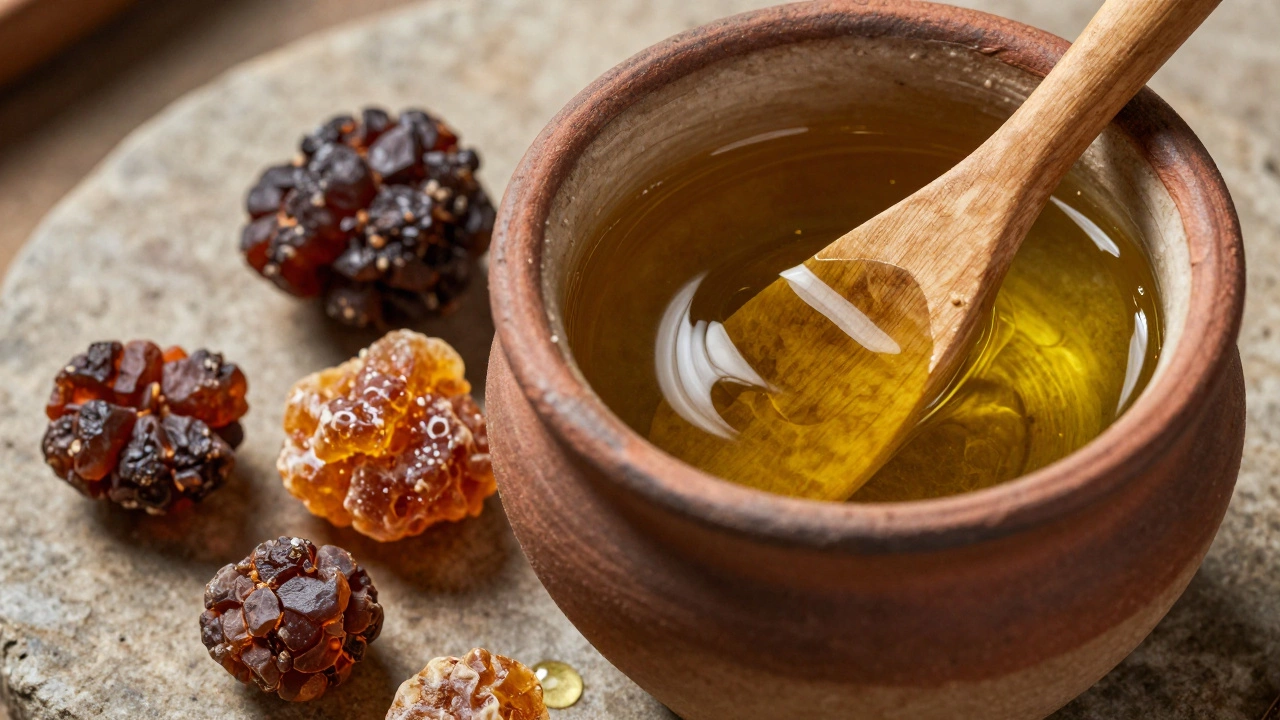
We can't talk about the era of Jesus without mentioning the gifts of the Magi. These weren't just fancy perfumes; they were the high-end medical supplies of the ancient world. Frankincense is an aromatic resin obtained from Boswellia trees, prized for its anti-inflammatory effects. For someone living in the 1st century, frankincense was a go-to for respiratory issues. If you had a cough or congestion, inhaling the smoke or applying a diluted resin was the standard treatment.
Then there is Myrrh is a natural resin extracted from Commiphora myrrha trees, known for its powerful antiseptic and analgesic properties. Myrrh was famously used in embalming, but it was also a potent treatment for mouth sores and gum infections. It's a natural astringent, meaning it shrinks tissues and stops bleeding. When you consider the rough diets of the time, myrrh would have been essential for basic oral hygiene and wound care.
| Plant/Resin | Primary Attribute | Ancient Value | Modern Application |
|---|---|---|---|
| Hyssop | Antimicrobial | Medium | Essential oils, tea |
| Frankincense | Anti-inflammatory | High | Skincare, meditation |
| Myrrh | Antiseptic | High | Dental care, wound salves |
| Olive Oil | Emollient | Universal | Diet, moisturizing |
The Foundation: Olive Oil and Honey
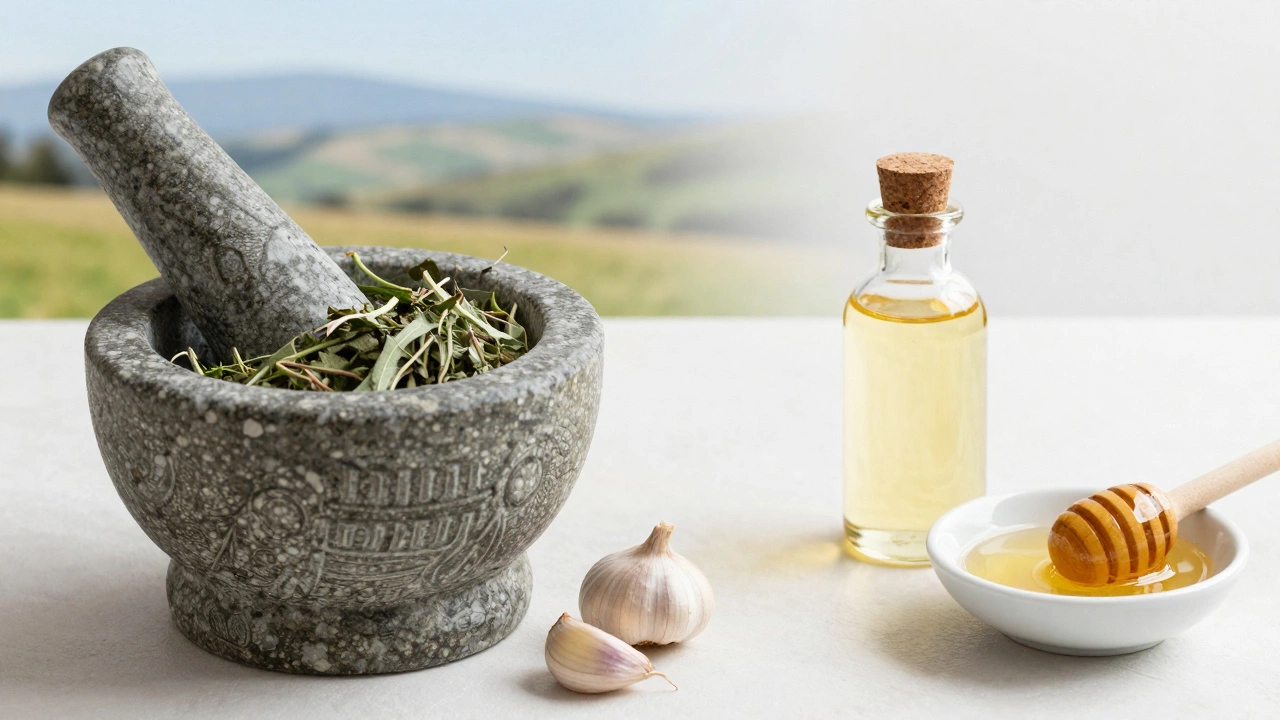
While specific herbs get the spotlight, the actual delivery system for most ancient medicine was Olive Oil is the primary fat source in the Mediterranean diet, used as a carrier for herbal extracts. You can't just rub a raw resin like myrrh on a cut; it's too harsh. You infuse the herb into the oil. This creates a salve that protects the skin from air and bacteria while delivering the active plant compounds deep into the tissue.
Pair this with Honey is a natural sweetener with osmotic properties that draw moisture out of bacteria, effectively killing them. The combination of olive oil and honey formed the basis of a primitive but effective first-aid kit. If you were treating a burn or a scrape in the streets of Jerusalem, this is what you would have used. It provides a barrier, kills germs, and promotes healing.
Common Wild Greens and Nutrition
Beyond the "medicines," the daily diet of Jesus and his disciples was centered on bitter herbs and wild greens. In the context of the Passover, "bitter herbs" usually referred to plants like wild chicory or endive. These weren't just for taste; they were used as digestive aids. Bitter greens stimulate the production of bile, which helps the body process fats and improves overall digestion.
They likely also used Garlic and Onions, which were staples for boosting the immune system. In an era of frequent plagues and infections, the sulfur compounds in garlic provided a necessary layer of defense. It's no surprise that these plants are still viewed as "superfoods" today; they were the frontline of health for thousands of years.
The Role of Faith and Nature
It is a mistake to think that ancient people relied only on the spiritual or only on the botanical. For Jesus and those around him, the two were intertwined. Nature was seen as a gift, and the plants provided by the earth were the tools used to support the healing process. When we see mentions of "the balm of Gilead," for example, it refers to a resinous sap from the Commiphora gileadensis tree. This was a real, physical product used to treat skin ailments, but it was also wrapped in a poetic sense of longing for restoration.
The practical application of these biblical herbs shows a sophisticated understanding of ecology. They knew which plants grew in the shade, which ones thrived in the salty soil of the Dead Sea region, and how to harvest them without killing the plant. This sustainable approach to medicine is something we are only now rediscovering through the move toward organic and plant-based supplements.
How to Use These Ancient Insights Today
You don't need to live in a first-century village to benefit from these plants. Many of them are available as modern supplements. For instance, Boswellia serrata (the modern descendant of frankincense) is widely used today for joint pain and arthritis due to its ability to inhibit inflammatory molecules. Myrrh is still found in high-quality natural toothpastes and mouthwashes because of its ability to fight gingivitis.
If you're looking to integrate these into your routine, start with the basics. Use high-quality cold-pressed olive oil for skin health, and explore frankincense essential oil for stress relief. However, remember that ancient dosages were based on raw plants, whereas modern extracts are highly concentrated. Always start with a small amount and check for skin sensitivity.
Did Jesus use a specific herb for healing?
The Bible does not explicitly name a single "healing herb" used by Jesus. However, based on the geography of Judea and the cultural practices of the time, it is highly likely he and his contemporaries used hyssop for cleansing, frankincense for respiratory issues, and myrrh for skin and oral care, all typically delivered via olive oil.
What is the "Balm of Gilead"?
The Balm of Gilead is a fragrant resin obtained from the Commiphora gileadensis tree. In ancient times, it was used as a powerful medicinal salve for wounds and skin infections, and it became a symbol of healing and restoration in biblical literature.
Is biblical hyssop the same as modern hyssop?
Not exactly. Most scholars believe the "hyssop" mentioned in the Bible is actually Origanum syriacum (Syrian Oregano), which is different from the Hyssopus officinalis found in modern gardens. Both have antimicrobial properties, but the biblical version is more closely related to oregano.
Can I use frankincense and myrrh as supplements today?
Yes, both are available as essential oils, resins, and capsules. Frankincense (Boswellia) is often used for joint inflammation, while myrrh is common in natural oral care products. Because they are potent, they should be used diluted or under the guidance of a health professional.
Why was olive oil so important in ancient medicine?
Olive oil served as a "carrier oil." Many herbal resins and essential oils are too caustic to apply directly to the skin. Olive oil dilutes these substances, making them safe for application while also providing a moisturizing barrier that protects the wound from infection.
Next Steps for the Curious
If you want to explore this further, start by researching the Levantine flora. Look for books on ethnobotany that focus on the Middle East. You'll find that the "miracles" of the ancient world were often supported by a deep, intuitive knowledge of the natural world. Try incorporating a simple routine of olive oil and honey for dry skin or a cup of oregano-based tea for a cold-small steps that connect you to a 2,000-year-old tradition of wellness.