Understanding the Most Excruciating Mental Illnesses: Symptoms, Causes, and Hope
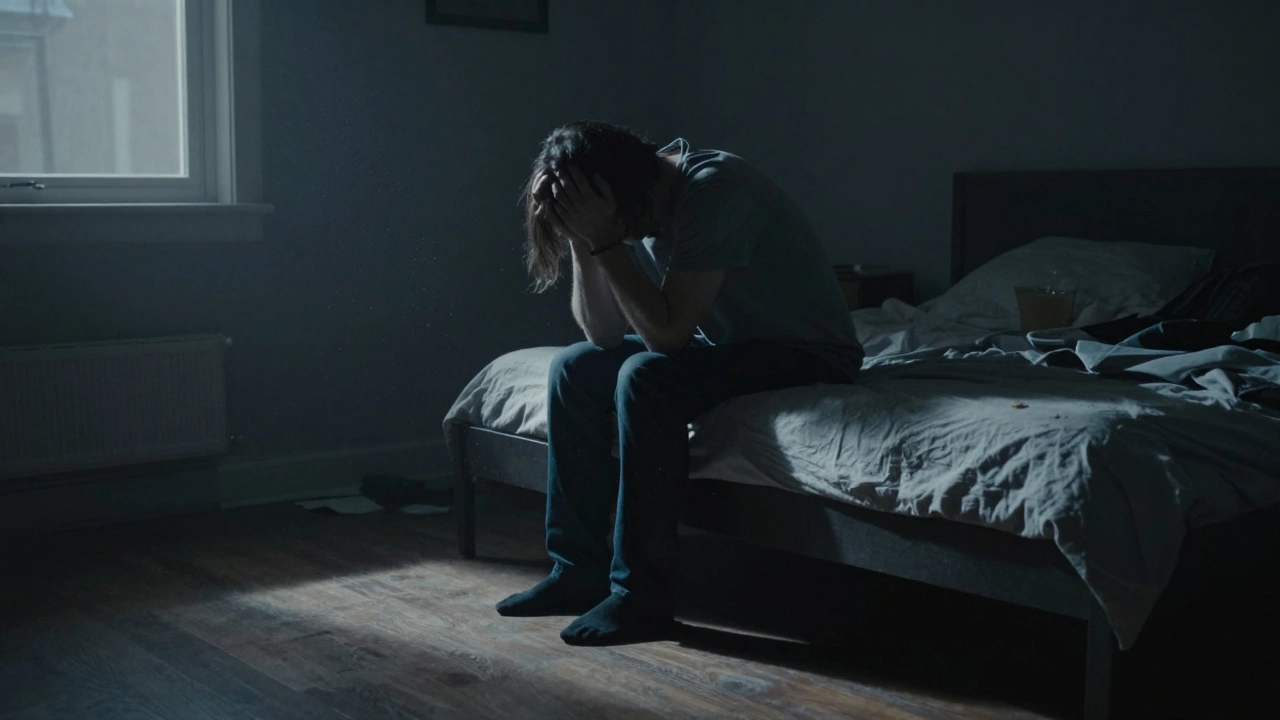
Imagine carrying a weight so heavy it bends your spine, yet no one else can see it. For millions of people living with severe mental illness, which is a broad term for conditions that affect mood, thinking, and behavior, this invisible burden is a daily reality. But when we ask, "What is the most excruciating mental illness?" we are stepping into complex territory. There is no single answer because pain is subjective. What feels like an endless nightmare to one person might be manageable for another. However, certain conditions consistently rank among the most debilitating due to their intensity, duration, and impact on daily life.
This article explores the conditions often described as the most painful, not to sensationalize suffering, but to validate experiences and highlight the importance of effective treatment, which involves medical interventions and therapeutic strategies to manage symptoms. We will look at Borderline Personality Disorder, Major Depressive Disorder, PTSD, and Schizophrenia, examining why they cause such profound distress and what hope exists for recovery.
The Subjectivity of Psychological Pain
Before naming specific illnesses, we must understand that "excruciating" means different things to different people. Physical pain has scales; mental anguish does not. A person with anxiety disorders, which include conditions characterized by excessive fear or worry might feel constant dread, while someone with depression feels numb emptiness. Both are agonizing, but in opposite ways.
Research suggests that the severity of mental illness is often linked to how much it disrupts a person’s ability to function. The World Health Organization notes that untreated mental health conditions can lead to significant disability. Therefore, the "most excruciating" label often falls on conditions that strip away a person’s sense of self, safety, or connection to reality.
Borderline Personality Disorder: The Emotional Whiplash
Many clinicians and patients point to Borderline Personality Disorder (BPD), which is a condition marked by instability in relationships, self-image, and emotions as one of the most painful to live with. Why? Because people with BPD experience emotions with extreme intensity. Joy can be euphoric, but sadness or anger can feel catastrophic and all-consuming.
Imagine feeling heartbreak over a minor slight as if you had just lost a loved one. This emotional dysregulation leads to impulsive behaviors, self-harm, and chaotic relationships. The fear of abandonment is central to BPD, creating a cycle where individuals push people away out of fear, then panic when they are alone. It is a state of perpetual crisis.
- Emotional Instability: Rapid shifts from calm to rage or despair.
- Identity Disturbance: A chronic feeling of emptiness or not knowing who you are.
- Interpersonal Chaos: Relationships swing between idealization and devaluation.
Despite its reputation, BPD is highly treatable. Dialectical Behavior Therapy (DBT) has shown remarkable success in helping individuals regulate emotions and build a life worth living. The pain is real, but it is not permanent.
Major Depressive Disorder: The Weight of Nothingness
If BPD is fire, Major Depressive Disorder (MDD), which is a mood disorder causing persistent sadness and loss of interest is ice. It is not just sadness; it is a paralysis of the soul. People with severe depression describe it as being trapped under a concrete slab. You want to move, to breathe, to care, but you cannot.
The excruciating nature of MDD lies in its pervasiveness. It affects sleep, appetite, concentration, and energy. Unlike other conditions where there might be moments of clarity, severe depression can cloud every aspect of existence. Suicidal ideation is a common and dangerous symptom, making MDD one of the leading causes of disability worldwide.
What makes MDD particularly cruel is that it convinces the sufferer that nothing will ever change. This cognitive distortion isolates them further. Yet, with a combination of antidepressants and psychotherapy, many people find their way back to light. The key is recognizing that depression is a medical condition, not a character flaw.
PTSD: Living in the Past, Trapped in Fear
Post-Traumatic Stress Disorder (PTSD), which is a disorder that develops in some people who have experienced a shocking, scary, or dangerous event forces the brain to relive trauma repeatedly. Imagine hearing a car backfire and instantly feeling the terror of a war zone, even if you are safe at home. This hyperarousal keeps the nervous system in a constant state of fight-or-flight.
PTSD is excruciating because it steals the present. Flashbacks, nightmares, and intrusive thoughts make it impossible to relax. Many people with PTSD also struggle with guilt, shame, and detachment from others. They may feel broken or dangerous, leading to social isolation.
Treatments like Eye Movement Desensitization and Reprocessing (EMDR) and Cognitive Processing Therapy (CPT) help rewire the brain’s response to trauma. Recovery is possible, but it requires patience and professional support.
Schizophrenia: Losing Grip on Reality
Schizophrenia, which is a serious mental disorder affecting how a person thinks, feels, and behaves introduces a different kind of agony: the loss of touch with reality. Hallucinations (hearing voices) and delusions (false beliefs) can be terrifying. If you hear voices telling you to harm yourself or others, the stress is immense.
Beyond psychosis, schizophrenia often includes negative symptoms like apathy, lack of motivation, and reduced speech. These symptoms can be more disabling than hallucinations because they erode a person’s ability to work, study, or maintain relationships. The stigma surrounding schizophrenia adds another layer of pain, as individuals often face discrimination and misunderstanding.
Antipsychotic medications and psychosocial therapies can manage symptoms effectively. Early intervention is crucial. With proper support, many people with schizophrenia lead fulfilling lives.
Comparison of Severe Mental Illnesses
| Mental Illness | Primary Source of Pain | Key Symptom | Effective Treatment |
|---|---|---|---|
| Borderline Personality Disorder | Emotional instability | Fear of abandonment | Dialectical Behavior Therapy (DBT) |
| Major Depressive Disorder | Pervasive numbness/hopelessness | Loss of interest | Antidepressants + CBT |
| PTSD | Reliving trauma | Flashbacks/Nightmares | EMDR/CPT |
| Schizophrenia | Loss of reality | Hallucinations/Delusions | Antipsychotics + Support |
The Role of Stigma and Isolation
One factor that amplifies the pain of any mental illness is stigma. When society views mental health struggles as weaknesses, individuals hide their suffering. This isolation worsens symptoms. For example, a person with OCD might hide their compulsions, fearing judgment, which increases anxiety.
Stigma also delays treatment. People wait years before seeking help, believing they should "snap out of it." Education is vital. Understanding that mental illness is biological and psychological, not moral, reduces shame and encourages early intervention.
Hope and Healing: It Is Not Permanent
While these conditions are excruciating, they are not hopeless. Advances in neuroscience and psychology have expanded treatment options. Medications can balance brain chemistry. Therapies can teach coping skills. Support groups provide community.
Recovery looks different for everyone. For some, it means symptom remission. For others, it means learning to live well despite ongoing challenges. The journey is hard, but it is possible. If you or someone you know is struggling, reach out to a healthcare provider. You do not have to carry the weight alone.
Frequently Asked Questions
Is Borderline Personality Disorder curable?
While there is no "cure" in the traditional sense, BPD is highly treatable. Many people achieve long-term stability and remission of symptoms through therapies like DBT. Studies show that up to 50% of people with BPD recover significantly within 10 years.
How does depression differ from normal sadness?
Normal sadness is usually tied to a specific event and fades over time. Depression persists for weeks or months, affects daily functioning, and includes physical symptoms like changes in sleep and appetite. It often occurs without an obvious trigger.
Can PTSD develop years after a traumatic event?
Yes, delayed-onset PTSD can occur. Symptoms may appear months or even years after the trauma, often triggered by a reminder of the event or increased stress. Early diagnosis helps prevent chronic issues.
What is the best treatment for schizophrenia?
A combination of antipsychotic medications and psychosocial support is standard. Medications reduce hallucinations and delusions, while therapy and family support help with daily functioning and social integration. Consistency in medication is key.
Why is mental health stigma harmful?
Stigma prevents people from seeking help due to fear of judgment. It leads to isolation, worsening symptoms, and lower quality of life. Reducing stigma encourages open conversation and timely access to care.
Imagine carrying a weight so heavy it bends your spine, yet no one else can see it. For millions of people living with severe mental illness, which is a broad term for conditions that affect mood, thinking, and behavior, this invisible burden is a daily reality. But when we ask, "What is the most excruciating mental illness?" we are stepping into complex territory. There is no single answer because pain is subjective. What feels like an endless nightmare to one person might be manageable for another. However, certain conditions consistently rank among the most debilitating due to their intensity, duration, and impact on daily life.
This article explores the conditions often described as the most painful, not to sensationalize suffering, but to validate experiences and highlight the importance of effective treatment, which involves medical interventions and therapeutic strategies to manage symptoms. We will look at Borderline Personality Disorder, Major Depressive Disorder, PTSD, and Schizophrenia, examining why they cause such profound distress and what hope exists for recovery.
The Subjectivity of Psychological Pain
Before naming specific illnesses, we must understand that "excruciating" means different things to different people. Physical pain has scales; mental anguish does not. A person with anxiety disorders, which include conditions characterized by excessive fear or worry might feel constant dread, while someone with depression feels numb emptiness. Both are agonizing, but in opposite ways.
Research suggests that the severity of mental illness is often linked to how much it disrupts a person’s ability to function. The World Health Organization notes that untreated mental health conditions can lead to significant disability. Therefore, the "most excruciating" label often falls on conditions that strip away a person’s sense of self, safety, or connection to reality.
Borderline Personality Disorder: The Emotional Whiplash
Many clinicians and patients point to Borderline Personality Disorder (BPD), which is a condition marked by instability in relationships, self-image, and emotions as one of the most painful to live with. Why? Because people with BPD experience emotions with extreme intensity. Joy can be euphoric, but sadness or anger can feel catastrophic and all-consuming.
Imagine feeling heartbreak over a minor slight as if you had just lost a loved one. This emotional dysregulation leads to impulsive behaviors, self-harm, and chaotic relationships. The fear of abandonment is central to BPD, creating a cycle where individuals push people away out of fear, then panic when they are alone. It is a state of perpetual crisis.
- Emotional Instability: Rapid shifts from calm to rage or despair.
- Identity Disturbance: A chronic feeling of emptiness or not knowing who you are.
- Interpersonal Chaos: Relationships swing between idealization and devaluation.
Despite its reputation, BPD is highly treatable. Dialectical Behavior Therapy (DBT) has shown remarkable success in helping individuals regulate emotions and build a life worth living. The pain is real, but it is not permanent.
Major Depressive Disorder: The Weight of Nothingness
If BPD is fire, Major Depressive Disorder (MDD), which is a mood disorder causing persistent sadness and loss of interest is ice. It is not just sadness; it is a paralysis of the soul. People with severe depression describe it as being trapped under a concrete slab. You want to move, to breathe, to care, but you cannot.
The excruciating nature of MDD lies in its pervasiveness. It affects sleep, appetite, concentration, and energy. Unlike other conditions where there might be moments of clarity, severe depression can cloud every aspect of existence. Suicidal ideation is a common and dangerous symptom, making MDD one of the leading causes of disability worldwide.
What makes MDD particularly cruel is that it convinces the sufferer that nothing will ever change. This cognitive distortion isolates them further. Yet, with a combination of antidepressants and psychotherapy, many people find their way back to light. The key is recognizing that depression is a medical condition, not a character flaw.

PTSD: Living in the Past, Trapped in Fear
Post-Traumatic Stress Disorder (PTSD), which is a disorder that develops in some people who have experienced a shocking, scary, or dangerous event forces the brain to relive trauma repeatedly. Imagine hearing a car backfire and instantly feeling the terror of a war zone, even if you are safe at home. This hyperarousal keeps the nervous system in a constant state of fight-or-flight.
PTSD is excruciating because it steals the present. Flashbacks, nightmares, and intrusive thoughts make it impossible to relax. Many people with PTSD also struggle with guilt, shame, and detachment from others. They may feel broken or dangerous, leading to social isolation.
Treatments like Eye Movement Desensitization and Reprocessing (EMDR) and Cognitive Processing Therapy (CPT) help rewire the brain’s response to trauma. Recovery is possible, but it requires patience and professional support.
Schizophrenia: Losing Grip on Reality
Schizophrenia, which is a serious mental disorder affecting how a person thinks, feels, and behaves introduces a different kind of agony: the loss of touch with reality. Hallucinations (hearing voices) and delusions (false beliefs) can be terrifying. If you hear voices telling you to harm yourself or others, the stress is immense.
Beyond psychosis, schizophrenia often includes negative symptoms like apathy, lack of motivation, and reduced speech. These symptoms can be more disabling than hallucinations because they erode a person’s ability to work, study, or maintain relationships. The stigma surrounding schizophrenia adds another layer of pain, as individuals often face discrimination and misunderstanding.
Antipsychotic medications and psychosocial therapies can manage symptoms effectively. Early intervention is crucial. With proper support, many people with schizophrenia lead fulfilling lives.

Comparison of Severe Mental Illnesses
| Mental Illness | Primary Source of Pain | Key Symptom | Effective Treatment |
|---|---|---|---|
| Borderline Personality Disorder | Emotional instability | Fear of abandonment | Dialectical Behavior Therapy (DBT) |
| Major Depressive Disorder | Pervasive numbness/hopelessness | Loss of interest | Antidepressants + CBT |
| PTSD | Reliving trauma | Flashbacks/Nightmares | EMDR/CPT |
| Schizophrenia | Loss of reality | Hallucinations/Delusions | Antipsychotics + Support |
The Role of Stigma and Isolation
One factor that amplifies the pain of any mental illness is stigma. When society views mental health struggles as weaknesses, individuals hide their suffering. This isolation worsens symptoms. For example, a person with OCD might hide their compulsions, fearing judgment, which increases anxiety.
Stigma also delays treatment. People wait years before seeking help, believing they should "snap out of it." Education is vital. Understanding that mental illness is biological and psychological, not moral, reduces shame and encourages early intervention.
Hope and Healing: It Is Not Permanent
While these conditions are excruciating, they are not hopeless. Advances in neuroscience and psychology have expanded treatment options. Medications can balance brain chemistry. Therapies can teach coping skills. Support groups provide community.
Recovery looks different for everyone. For some, it means symptom remission. For others, it means learning to live well despite ongoing challenges. The journey is hard, but it is possible. If you or someone you know is struggling, reach out to a healthcare provider. You do not have to carry the weight alone.
Is Borderline Personality Disorder curable?
While there is no "cure" in the traditional sense, BPD is highly treatable. Many people achieve long-term stability and remission of symptoms through therapies like DBT. Studies show that up to 50% of people with BPD recover significantly within 10 years.
How does depression differ from normal sadness?
Normal sadness is usually tied to a specific event and fades over time. Depression persists for weeks or months, affects daily functioning, and includes physical symptoms like changes in sleep and appetite. It often occurs without an obvious trigger.
Can PTSD develop years after a traumatic event?
Yes, delayed-onset PTSD can occur. Symptoms may appear months or even years after the trauma, often triggered by a reminder of the event or increased stress. Early diagnosis helps prevent chronic issues.
What is the best treatment for schizophrenia?
A combination of antipsychotic medications and psychosocial support is standard. Medications reduce hallucinations and delusions, while therapy and family support help with daily functioning and social integration. Consistency in medication is key.
Why is mental health stigma harmful?
Stigma prevents people from seeking help due to fear of judgment. It leads to isolation, worsening symptoms, and lower quality of life. Reducing stigma encourages open conversation and timely access to care.