Mental Health Treatment Gap Calculator
Configure Scenario
Analysis Results
In low-income countries, up to 95% of people with severe disorders receive no care due to lack of infrastructure.
-
Need Help-
Left Behind-
Receiving Care-
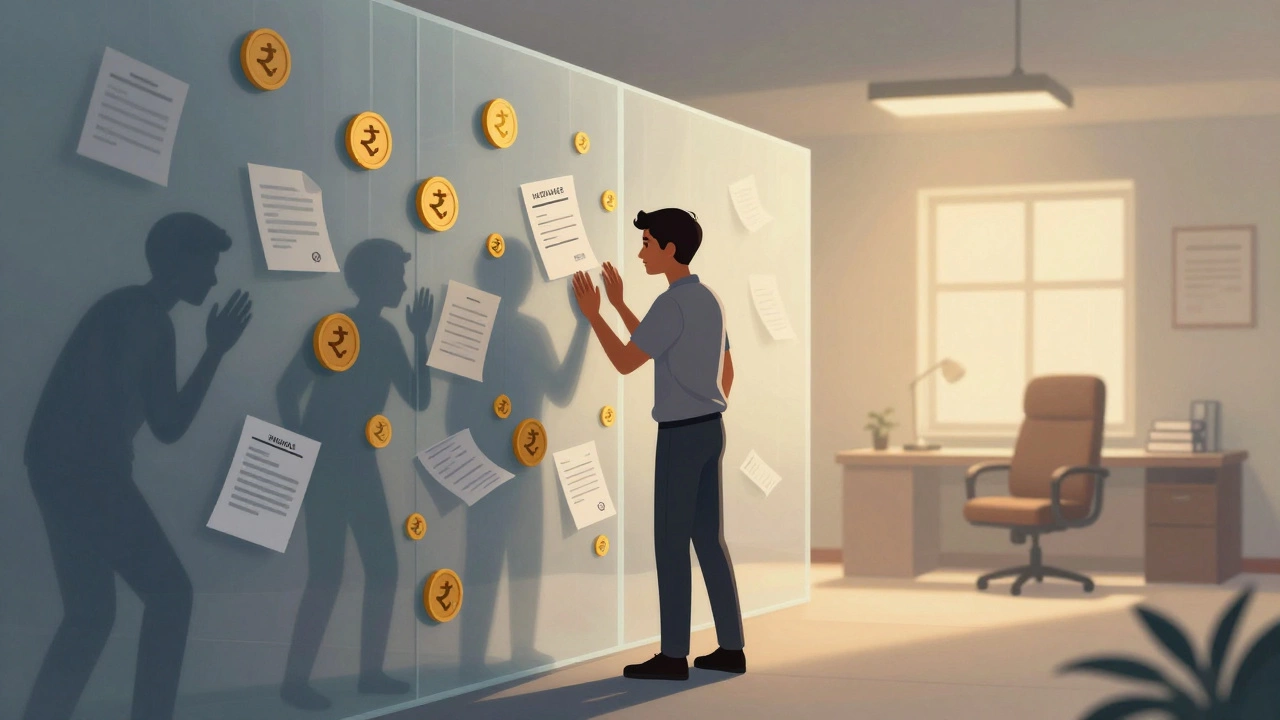
Ratio (Treated : Untreated)You feel the weight of anxiety pressing on your chest. You know you should talk to someone, but the idea of booking an appointment feels like climbing a mountain. If this sounds familiar, you are not alone. In fact, you represent a massive, silent majority. The question isn't just about who is struggling; it's about why so many people who desperately need therapy never actually sit in that chair.
The numbers are staggering. According to data from the World Health Organization (WHO) and recent analyses leading up to 2026, approximately 75% of people with mental health conditions in low- and middle-income countries receive no treatment at all. Even in high-income nations, where resources are theoretically abundant, nearly half of those who need care do not get it. This disconnect between need and access is what experts call the "treatment gap." It is not just a statistic; it is a human crisis affecting millions of lives right now.
Defining the Treatment Gap
To understand the scale of the problem, we first have to define what we mean by the treatment gap. It is not simply the number of people who are depressed or anxious. It is the difference between the total population that meets clinical criteria for a mental disorder and the subset of that population that receives adequate, evidence-based care.
Imagine a stadium full of people. Every seat represents someone suffering from a condition like major depressive disorder, generalized anxiety, or PTSD. Now, imagine only one-third of those seats are occupied by people currently seeing a therapist, psychiatrist, or counselor. The empty seats? That’s the treatment gap. For every person getting help, there are two or three others waiting, hoping, or giving up entirely.
Mental Health Treatment Gap is the disparity between the number of individuals who require mental health services and those who actually receive them. This gap is influenced by financial constraints, stigma, provider shortages, and geographic isolation.
Why So Many Are Left Behind
If the need is clear, why is the solution so out of reach? It’s rarely just one thing. It’s a perfect storm of barriers that stack up against the individual seeking help.
1. Cost and Insurance Nightmares
Money is the biggest wall. In many countries, including the United States, therapy sessions can cost anywhere from $100 to $250 per hour without insurance. Even with insurance, high deductibles and limited session caps make consistent care impossible for many. In India, while traditional counseling is emerging, specialized psychotherapy remains expensive and often uninsured. People choose between paying rent and paying for their mental health. Most choose rent.
2. The Stigma Wall
"Just snap out of it." "It’s all in your head." These phrases are more than just unhelpful; they are damaging. Cultural stigma surrounding mental illness prevents people from even admitting they need help. In many communities, seeking therapy is seen as a sign of weakness or a failure of character rather than a proactive health step. This internalized shame keeps people silent until they reach a breaking point.
3. Provider Shortages
Even if you have the money and the courage, you might not find a doctor. There is a severe shortage of mental health professionals globally. Rural areas are hit hardest. In the US, over 100 million people live in Mental Health Professional Shortage Areas. In India, the ratio of psychiatrists to population is roughly 1 per 100,000, compared to the WHO recommendation of 1 per 30,000. Waitlists for therapists can stretch months, during which time patients’ conditions worsen.
The Global Landscape: Who Is Most Affected?
The treatment gap is not evenly distributed. It cuts across income levels, but it bites deepest into specific demographics.
| Group/Region | Estimated Treatment Gap | Primary Barrier |
|---|---|---|
| Low-Income Countries | 90-95% | Lack of infrastructure & funding |
| High-Income Countries | 40-50% | Cost & wait times |
| Young Adults (18-25) | ~60% | Stigma & lack of awareness |
| Rural Populations | ~70% | Geographic access & provider scarcity |
In low- and middle-income countries, the gap is catastrophic. Up to 95% of people with severe mental disorders receive no care. In high-income nations, the gap is smaller but still significant, driven largely by economic factors and fragmented healthcare systems.
Young adults are particularly vulnerable. This is when many mental health conditions first emerge, yet this group has the lowest rates of treatment. They often lack stable insurance, face intense social pressure, and may not yet recognize their symptoms as medical issues requiring professional intervention.
The Hidden Cost of Untreated Mental Health
When people don’t get therapy, the consequences ripple outward. It’s not just personal suffering; it’s societal damage.
- Economic Loss: Depression and anxiety cost the global economy an estimated $1 trillion per year in lost productivity. Untreated conditions lead to missed work days, lower performance, and early retirement due to disability.
- Physical Health Decline: Mental and physical health are linked. Untreated depression increases the risk of heart disease, diabetes, and stroke. Chronic stress weakens the immune system.
- Social Fragmentation: Strained relationships, family breakdowns, and increased substance abuse are common outcomes of untreated mental illness. The cycle of trauma often passes to the next generation.
- Crisis Burden: Without preventative therapy, people end up in emergency rooms. Crisis intervention is far more expensive and less effective than ongoing, structured care.
Bridging the Gap: What’s Changing in 2026?
Despite the grim statistics, there is hope. Several trends are beginning to chip away at the treatment gap.
Digital Therapeutics and Telehealth
The pandemic accelerated telehealth adoption, and it’s here to stay. Apps offering Cognitive Behavioral Therapy (CBT) exercises, AI-driven chatbots for initial triage, and video consultations with licensed therapists are making care more accessible. In Bangalore, startups are launching platforms that connect users with counselors via WhatsApp and video calls, reducing friction and anonymity concerns.
Workplace Mental Health Programs
Employers are finally recognizing that mental health is a business issue. More companies are offering Employee Assistance Programs (EAPs) that include free therapy sessions. Some are integrating mental health days into standard leave policies. This normalizes care and removes some financial barriers.
Community-Based Care
Task-shifting is gaining traction. Instead of relying solely on psychiatrists, training community health workers, teachers, and primary care doctors to provide basic psychological support is expanding reach. This model is particularly effective in resource-poor settings.

What Can You Do Right Now?
If you’re reading this and wondering if you’re part of the statistics, here is how to take action.
- Start Small: You don’t need to commit to long-term therapy immediately. Try a single consultation. Many therapists offer free 15-minute discovery calls.
- Check Your Benefits: Look at your insurance policy. Does it cover mental health? What is the deductible? Ask HR about EAPs.
- Explore Low-Cost Options: University training clinics often provide supervised therapy at reduced rates. Community health centers may offer sliding-scale fees based on income.
- Use Digital Tools: Reputable apps like Woebot or BetterHelp can be stepping stones. They aren’t replacements for severe cases, but they help with mild anxiety and depression.
- Talk to Someone: Breaking the silence reduces stigma. Share your struggle with a trusted friend. You might find they need help too.
Frequently Asked Questions
How big is the mental health treatment gap globally?
Globally, the treatment gap is enormous. In low- and middle-income countries, 75-95% of people with mental disorders receive no treatment. In high-income countries, about 40-50% of those who need care do not get it. This means billions of people worldwide are left without support.
Why is the treatment gap so large in developing countries?
Developing countries face a triple burden: lack of funding for mental health services, a severe shortage of trained professionals (like psychiatrists and psychologists), and deep-rooted cultural stigma. Infrastructure is often nonexistent outside major cities.
Is online therapy as effective as in-person therapy?
For many conditions, yes. Research shows that teletherapy can be just as effective as face-to-face sessions for anxiety and depression. It improves accessibility significantly, though it may not suit everyone, especially those with severe crises or lacking private internet access.
How much does therapy cost without insurance?
In the US, out-of-pocket therapy costs range from $100 to $250 per session. In India, costs vary widely but typically range from ₹1,000 to ₹3,000 per session depending on the therapist's experience. These costs are prohibitive for many, contributing to the treatment gap.
What are the signs that I need therapy but haven't sought it?
Signs include persistent sadness or anxiety lasting more than two weeks, changes in sleep or appetite, difficulty functioning at work or school, withdrawing from friends, and using substances to cope. If these interfere with your daily life, professional help is recommended.
Can primary care doctors treat mental health issues?
Yes, to an extent. Primary care physicians can diagnose common conditions like depression and anxiety and prescribe medication. However, they often lack time for talk therapy. Integrating behavioral health into primary care is a key strategy to reduce the treatment gap.
Does stigma still prevent people from seeking therapy?
Absolutely. Despite progress, fear of judgment from family, employers, or peers remains a major barrier. This is especially true in cultures where mental illness is viewed as a moral failing or spiritual weakness rather than a medical condition.
Are there free therapy resources available?
Yes. Many non-profits, university clinics, and government programs offer sliding-scale or free services. Hotlines like 988 in the US or local helplines in India provide immediate support. Online directories often list providers who accept Medicaid or offer pro bono hours.