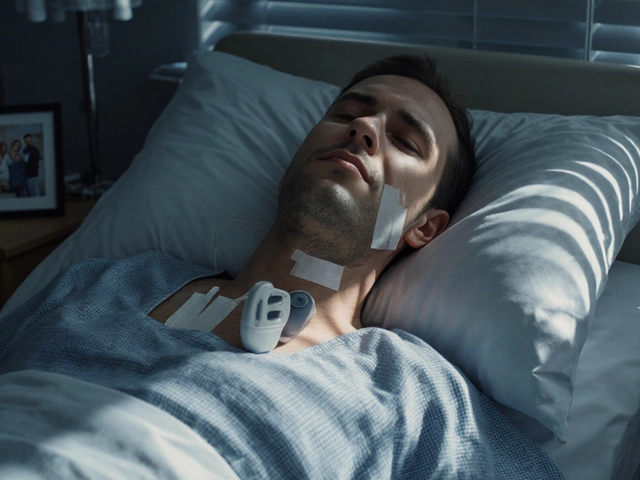
Post-Op Recovery: What Happens After Surgery and How to Heal Faster
When you hear post-op recovery, the period after surgery where your body repairs itself and regains function. Also known as post-surgical recovery, it's not just about waiting for stitches to come out—it's the real work of getting back to normal, mentally and physically. Many people think recovery ends when they leave the hospital, but for most, the hardest part is just beginning. Studies show that up to 42% of older adults experience brain fog, memory lapses, or mood shifts after major surgery, especially heart procedures. This isn’t normal aging—it’s a direct result of inflammation, anesthesia, and the stress your body endured.
Recovery isn’t one-size-fits-all. Someone having a knee replacement needs different care than someone recovering from open-heart surgery. With heart surgery recovery, the process of healing after cardiac procedures, often involving physical rehab, mental health support, and lifestyle changes, you’re not just healing your chest—you’re rebuilding your brain. Cognitive changes after heart surgery are common, and they’re not just in your head. Micro-emboli, tiny clots that travel to the brain during surgery, can cause temporary confusion or personality shifts. Meanwhile, post-surgery care, the structured plan of rest, movement, medication, and monitoring that supports healing after any surgical procedure includes knowing when to push yourself and when to rest. Too much activity too soon? You risk setbacks. Too little? Muscles weaken, blood clots form, and depression creeps in.
Recovery also means adjusting your expectations. You might think you’ll be back to work in two weeks, but for a 55-year-old woman returning from knee replacement, the average time off is closer to six to eight weeks—especially if your job requires standing or walking. And if you’re recovering from heart surgery, your mental health matters as much as your heart. Personality changes, anxiety, or feeling like yourself again—those aren’t side effects you should ignore. They’re signals your brain is healing. That’s why cognitive recovery after surgery, the process of regaining mental clarity, memory, and emotional stability after a surgical procedure is just as critical as physical rehab. It’s not about popping pills. It’s about sleep, gentle movement, connection with others, and giving yourself permission to heal slowly.
What you’ll find here isn’t generic advice. These are real stories and science-backed insights from people who’ve been through it—the confusion after heart surgery, the frustration of slow mobility, the relief when brain fog lifts, the quiet wins of walking without pain again. You’ll see what works, what doesn’t, and what no one tells you before you sign the consent form. This isn’t about being perfect. It’s about being patient, informed, and kind to yourself while your body does the hard work of healing.
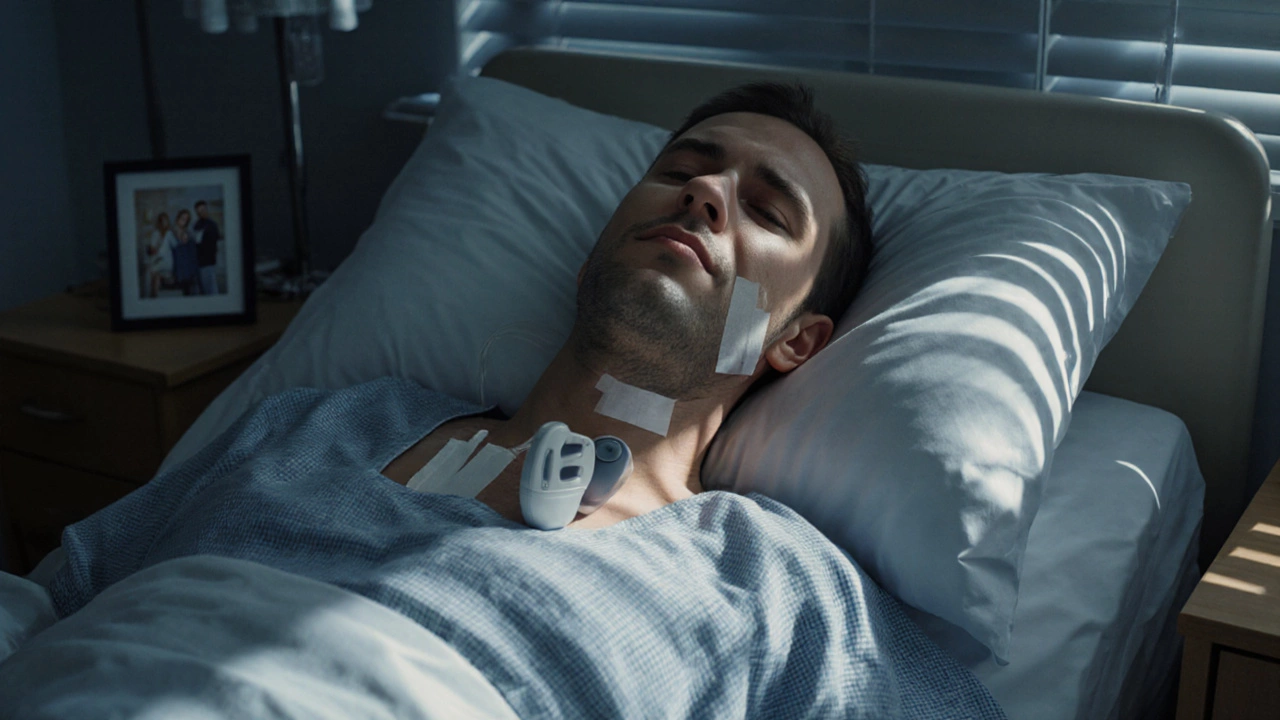
Why Is Day 3 After Heart Surgery the Worst?
Day 3 after heart surgery is often the hardest because pain peaks, inflammation rises, and emotional fatigue hits. Understanding why helps you prepare and recover better.
View MoreLatest Posts