Pancreatic Cancer: Signs, Risks, and What You Need to Know
When we talk about pancreatic cancer, a malignant tumor that develops in the tissues of the pancreas, often without early symptoms. It's known as a silent killer because it rarely causes pain or obvious warning signs until it's advanced. Also known as pancreas cancer, it’s one of the hardest cancers to treat, partly because it spreads quickly and is hard to detect early.
People with a family history of pancreatic cancer, long-term diabetes, chronic pancreatitis, or those who smoke are at higher risk. Obesity and heavy alcohol use also increase chances. The pancreas, a gland behind the stomach that helps digest food and control blood sugar doesn’t send clear signals when something’s wrong—no cough, no rash, no fever. That’s why many cases are found only after the cancer has moved to the liver, lungs, or lymph nodes. Early detection, the key to surviving pancreatic cancer, relies on knowing subtle signs: unexplained weight loss, new-onset diabetes in older adults, jaundice (yellow skin or eyes), and persistent belly or back pain that doesn’t go away.
There’s no routine screening test for pancreatic cancer like there is for breast or colon cancer. That’s why paying attention to your body matters. If you’ve had unexplained weight loss over a few months, or your doctor says you have new diabetes with no clear cause, ask about pancreatic cancer. It’s not common, but when it happens, timing saves lives. Treatments like surgery, chemotherapy, and radiation can help, but only if caught early enough. Some newer therapies target specific genetic mutations, giving hope to patients who used to have few options.
What you’ll find below aren’t just articles—they’re real stories, facts, and warnings from people who’ve lived through this, doctors who’ve seen the patterns, and research that’s changing how we understand this disease. From symptoms no one talks about to what actually works in treatment, these posts cut through the noise. You won’t find fluff here. Just what you need to know—before it’s too late.
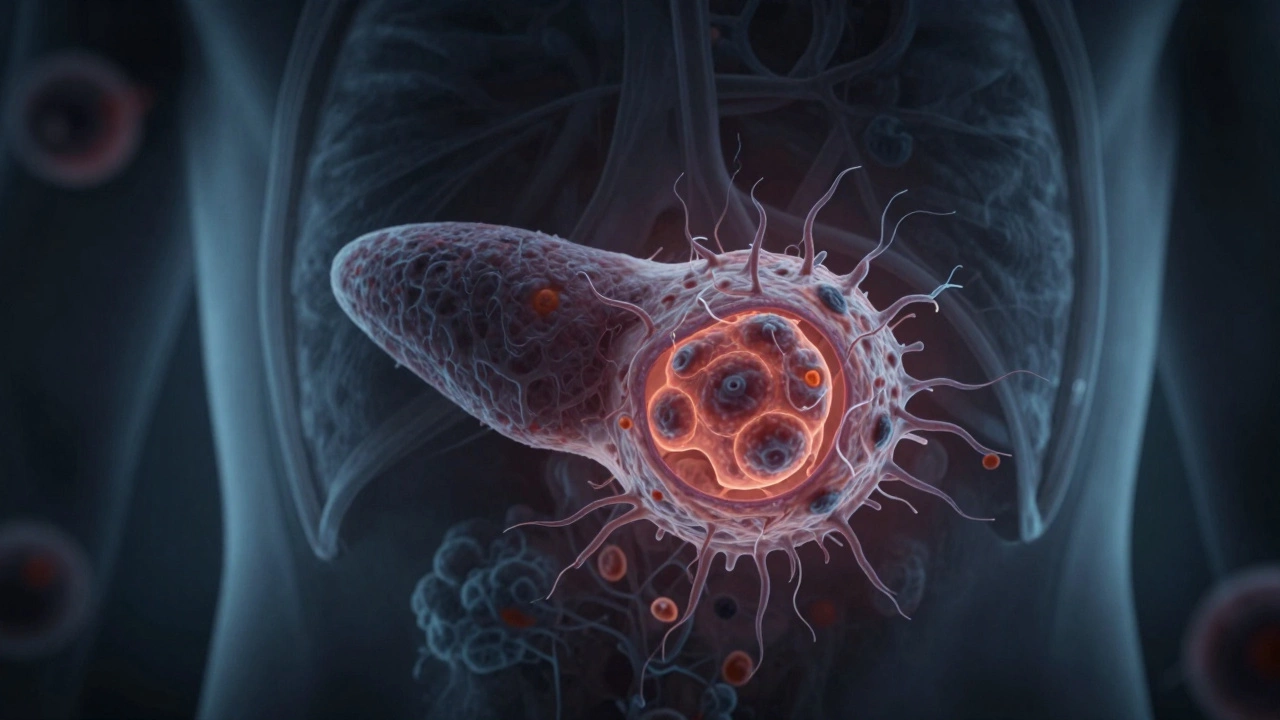
Which Cancer Has the Shortest Life Expectancy?
Pancreatic cancer has the shortest life expectancy of any major cancer, with most patients surviving only 3 to 6 months after diagnosis. Learn why it's so deadly and what can be done.
View More
What Cancer Is Hardest to Survive? The Statistics Behind the Deadliest Types
Pancreatic, glioblastoma, and lung cancers have the lowest survival rates due to late detection and aggressive biology. Learn why these cancers are so deadly and what’s being done to change the odds.
View More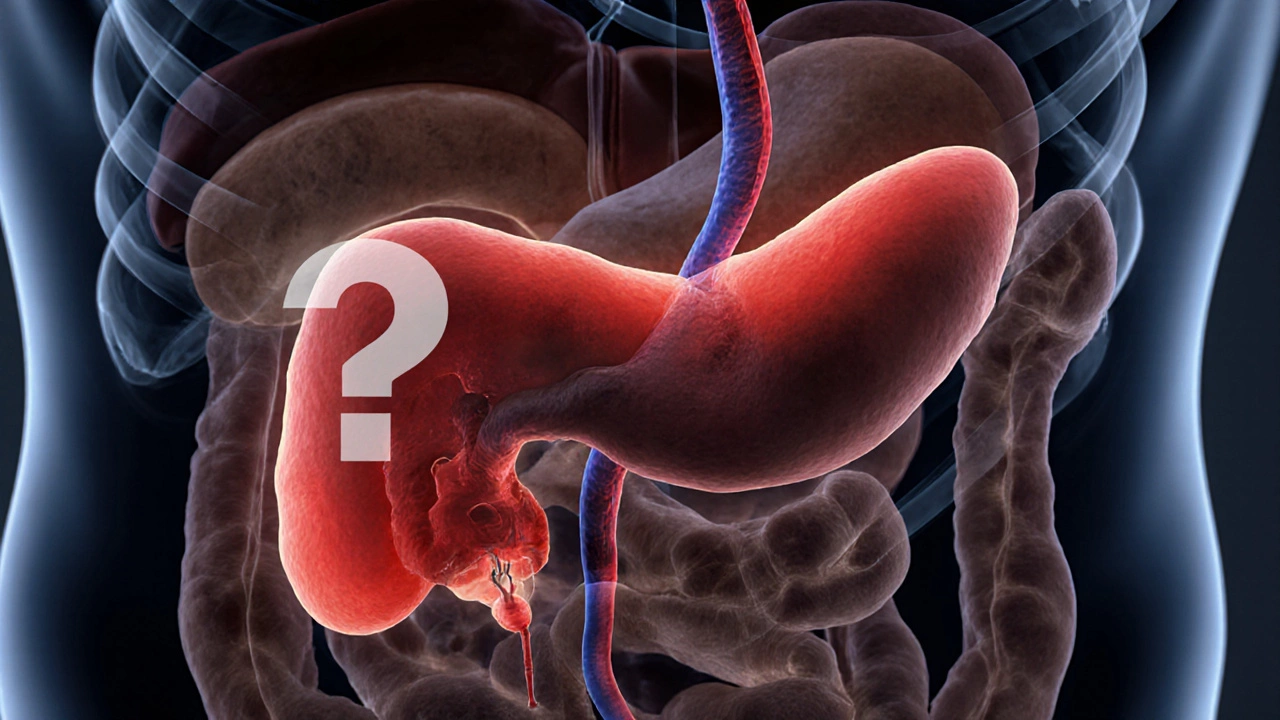
Which Cancer Is Considered the Most Feared?
Pancreatic cancer tops the list of most feared cancers due to low survival and late detection. Learn why, compare top lethal cancers, and discover early‑detection steps and new treatments.
View More
Top 3 Deadliest Cancers: What You Need to Know About Risk and Treatment
Wondering which cancers are the most deadly? This deep dive breaks down the top three deadliest cancers, sharing shocking survival stats, warning signs to watch for, and tips to lower your risk. Learn how early detection can make all the difference and get the latest updates on new treatments. Whether you’re worried about yourself or someone you love, this article will arm you with the knowledge to act fast and stay prepared.
View MoreLatest Posts