Metastatic Cancer Treatment: What Works, What Doesn't, and What to Expect
When cancer spreads beyond its original site, it becomes metastatic cancer, cancer that has moved to distant organs or tissues, often called stage IV. Also known as advanced cancer, it’s not a single disease but a result of cancer cells breaking away, traveling through blood or lymph, and settling in new areas like the liver, lungs, bones, or brain. This isn’t the same as a new type of cancer—it’s the original cancer growing somewhere else. The goal of treatment isn’t always to cure, but to slow it down, reduce pain, and help people live as well as possible for as long as possible.
Doctors use a mix of systemic therapies, treatments that travel through the bloodstream to reach cancer cells anywhere in the body—like chemotherapy, targeted drugs, immunotherapy, and hormone therapy. Palliative care, specialized support focused on comfort, symptom control, and quality of life isn’t just for end-of-life; it’s part of treatment from day one. Many people think palliative care means giving up, but it’s actually about fighting smarter—not harder. Radiation and surgery may still be used, but only to relieve specific problems like a bone fracture or a tumor pressing on the spine, not to remove all cancer.
Survival rates for metastatic cancer vary wildly. Pancreatic cancer that has spread has a 5-year survival rate under 3%, while some breast or prostate cancers that spread can be managed for years with the right drugs. What works for one person might do nothing for another, because cancer isn’t just about location—it’s about the mutations inside the cells. That’s why genetic testing of tumor tissue is now standard. It tells doctors which drugs might actually work, instead of guessing. Some people respond dramatically to a single pill. Others need to try three or four treatments before finding one that helps.
Side effects matter just as much as effectiveness. Chemotherapy can wreck your energy, immunotherapy can trigger autoimmune reactions, and targeted drugs often cause rashes or high blood pressure. That’s why treatment isn’t just about the cancer—it’s about your body, your life, your goals. Some people want to keep working. Others want to travel. Some just want to eat without nausea. The best treatment plan respects that.
There’s no magic bullet. No supplement, diet, or miracle cure can reverse metastatic cancer on its own. But science is moving fast. New drugs are approved every year. Clinical trials are offering hope where none existed before. And while the word "terminal" still hangs over this stage, many people are living longer, feeling better, and even returning to normal life—sometimes for years.
What you’ll find below are real stories and facts about how metastatic cancer is treated today: the drugs that help, the side effects people actually deal with, the mistakes to avoid, and the quiet victories that don’t make headlines. These aren’t theoretical guides—they’re from people who’ve been there, and the doctors who’ve helped them navigate it.
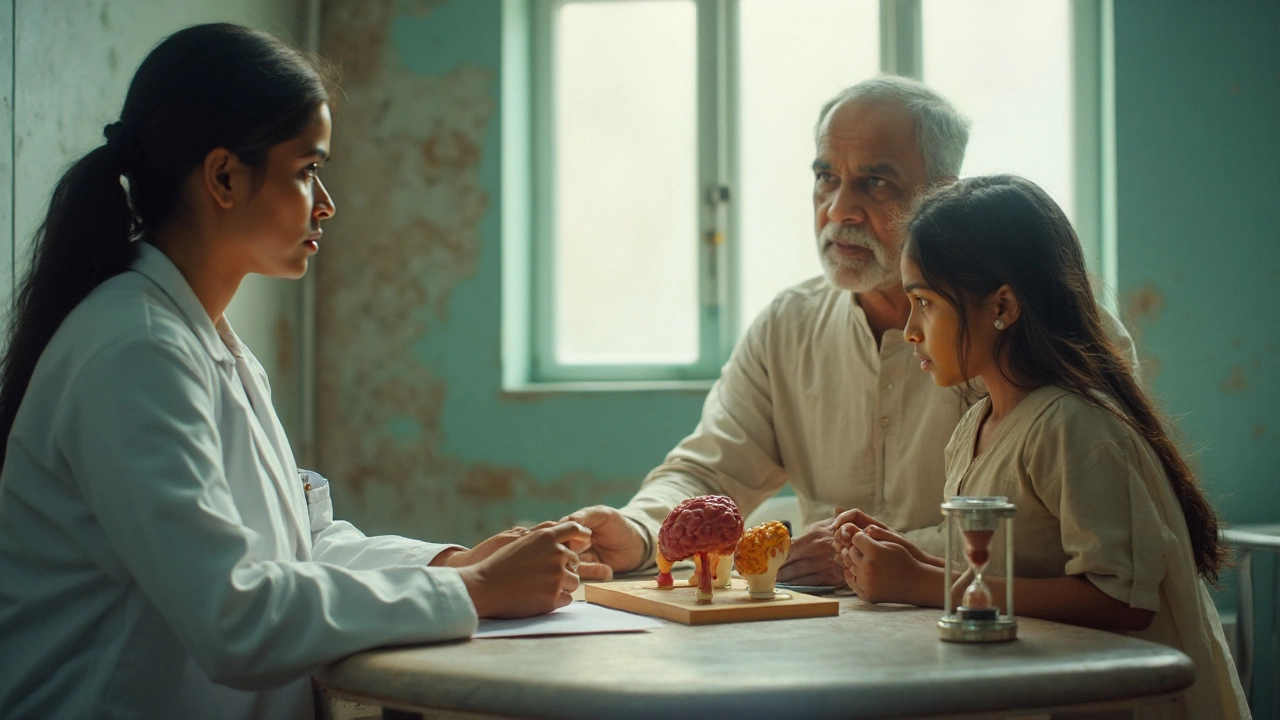
What Cancer Has No Cure? 2025 Reality, Hard-to-Cure Cancers, and What You Can Do
Is any cancer truly incurable? See which cancers have very low cure rates in 2025, why that is, what 'cure' actually means, and practical steps to improve outcomes.
View MoreLatest Posts