Joint Health: What Works, What Doesn’t, and How to Protect Your Mobility
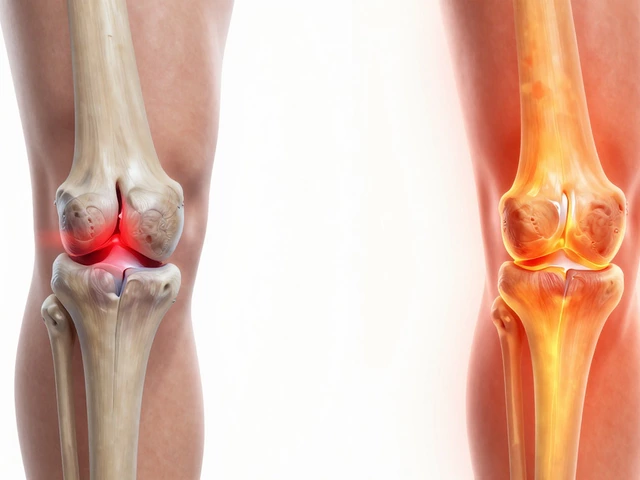
When we talk about joint health, the condition of your body’s moving parts like knees, hips, and hands that allow you to walk, lift, and bend without pain. Also known as musculoskeletal health, it’s not just about avoiding arthritis—it’s about keeping your body moving for decades. Most people don’t think about their joints until they hurt. But by then, damage may already be done. The truth? Joint health starts long before pain shows up. It’s shaped by your weight, how you move, what you eat, and whether you’ve ignored early warning signs like stiffness or clicking.
Your knee, the largest joint in the body, bearing up to 5 times your body weight with every step. Also known as tibiofemoral joint, it’s the most common site for degeneration and replacement. If you’re overweight, every pound adds pressure—so losing even 10 pounds can cut knee pain in half. That’s not theory. Studies show people who drop 5% of their body weight see real improvement in mobility. And it’s not just about weight. Sitting too long, skipping movement, or pushing through pain instead of resting? That wears down cartilage faster than age ever could.
Osteoarthritis, the most common joint disease, happens when the cushion between bones breaks down, causing bone-on-bone friction. Also known as wear-and-tear arthritis, it’s not inevitable, even if you’re over 50. Many think it’s just part of getting older. But research shows lifestyle choices matter more than genetics. People who stay active, avoid repetitive stress, and manage inflammation through diet often delay or even prevent surgery. On the flip side, ignoring joint pain until it’s unbearable? That often leads to total knee replacement, a major surgery where damaged joint surfaces are replaced with metal and plastic. Also known as TKR, it’s life-changing—but recovery takes months and isn’t a free pass to go back to old habits.
And let’s be clear: supplements like glucosamine? Most don’t work better than placebo. Ice and rest? Helpful short-term. But long-term joint health? It’s built on daily movement, strength training (yes, even with sore knees), and knowing when to talk to an orthopedic doctor, a specialist trained to diagnose and treat bone, joint, and muscle problems. Also known as bone and joint specialist, they don’t just push surgery—they help you avoid it. A good one will ask about your daily routine, not just your X-rays.
You’ll find posts here that break down what really happens after knee surgery, why Day 3 is the worst, and how brain fog can follow heart procedures—even if your joints are fine. There’s advice on what to tell your doctor before your appointment, how long to take off work, and why some "natural" fixes do more harm than good. This isn’t about quick fixes. It’s about understanding your body so you can move better, longer, and without fear.
Who is Not a Good Candidate for Total Knee Replacement? What You Need to Know
Thinking about knee replacement? It doesn’t work for everyone. This article breaks down who might not be a good candidate and why it matters. Get tips for making better choices and learn about other options if surgery isn’t right for you. We’re laying out practical info to help you avoid mistakes and focus on what actually improves knee health.
View MoreLatest Posts