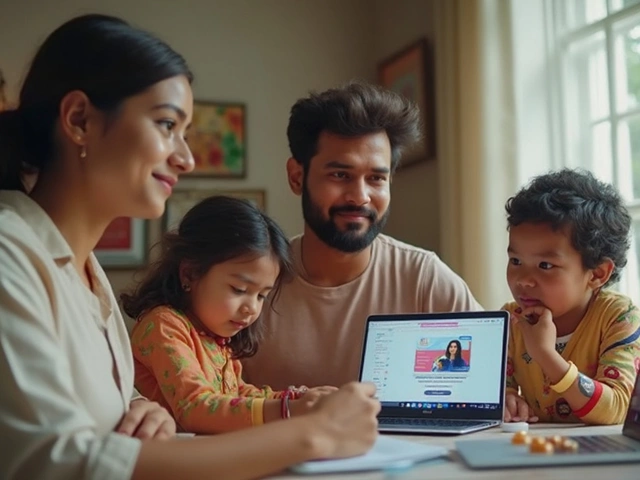
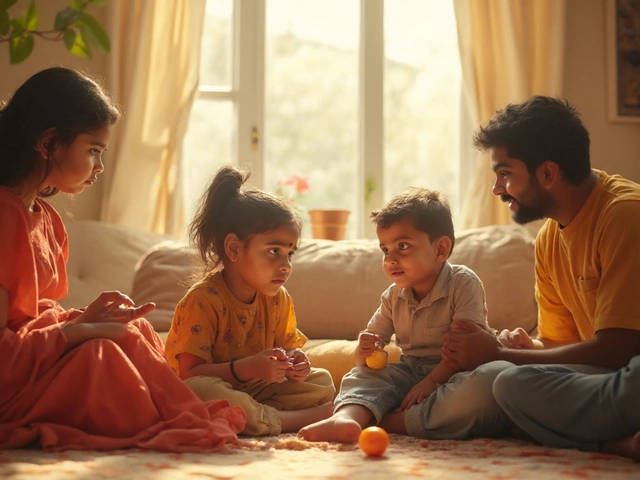
IVF Children: What You Need to Know About Genetics, Appearance, and Health
When we talk about IVF children, children conceived through in vitro fertilization, where egg and sperm are combined outside the body before implantation. Also known as test-tube babies, they are born just like any other child—except their beginning was guided by science, not chance. The big question isn’t whether they’re healthy—it’s whether they look like their parents, how their genes work, and if there’s anything parents should watch for.
Genetics in IVF, the biological inheritance passed from egg and sperm donors or intended parents determines everything from eye color to height. If you use your own egg and sperm, your child carries your DNA—just like in natural conception. But if you use a donor egg, an egg from someone else, often chosen for genetic traits or fertility reasons, the child will resemble the egg donor, not the birth mother. Same goes for donor sperm, sperm from a male donor used when the male partner can’t provide viable sperm. Epigenetics—how environment affects gene expression—also plays a role. Stress, diet, and even the IVF process itself can slightly influence how genes turn on or off.
Some parents worry IVF children are more prone to illness. The truth? Most studies show they’re just as healthy as naturally conceived kids. A few small increases in rare birth defects have been noted, but experts say it’s likely tied to underlying infertility, not the IVF process itself. There’s no evidence they’re smarter, sicker, or different in personality. What matters most is the love, care, and stability they grow up in—not how they were conceived.
And yes, IVF children can look like both parents—even when one parent isn’t genetically related. Facial structure, smile, even mannerisms can come from the birth mother’s womb environment or be shaped by family habits. You’ll see your child’s laugh in your partner’s face, even if the genes came from someone else.
What you’ll find here are real answers from posts that cut through the myths. We cover how IVF babies inherit traits, why some look more like one parent than another, what science says about their long-term health, and what parents actually experience raising them. No hype. No guesswork. Just what you need to know before, during, and after IVF.
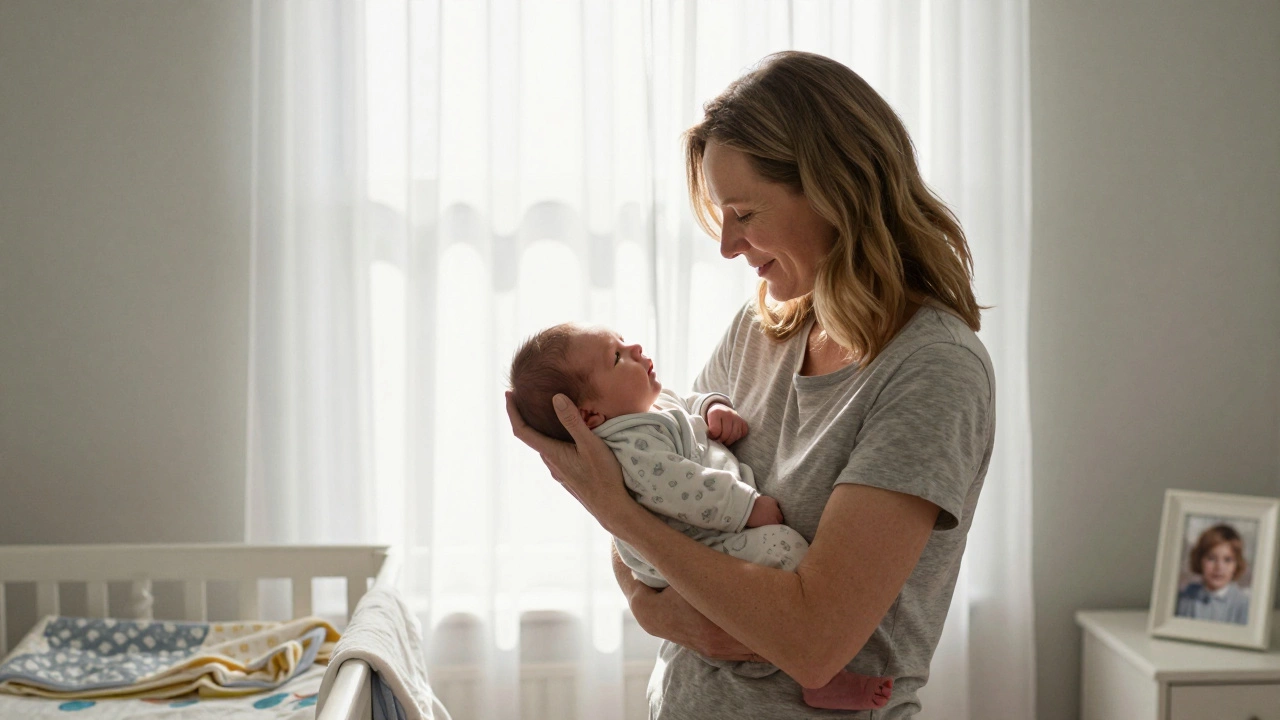
Have Any IVF Babies Had Babies? The First Generation of IVF Children Are Now Parents
IVF babies born in the 1980s are now parents themselves, proving that assisted reproduction doesn’t harm future fertility. Thousands have conceived naturally, and their children are just as healthy.
View MoreLatest Posts