Insulin Therapy: What It Is, Who Needs It, and How It Works
When your body can't make enough insulin therapy, a medical treatment that replaces or supplements the body's natural insulin to control blood sugar levels. Also known as insulin treatment, it's not just for type 1 diabetes—many people with type 2 diabetes eventually need it too. Insulin therapy isn't a last resort. It's a tool, like a key that unlocks your cells so glucose can enter and fuel your body instead of building up in your blood.
Not everyone with diabetes starts on insulin. Some manage with diet, movement, and pills like Metformin, the most common first-line drug for type 2 diabetes that helps the body use insulin better. But over time, the pancreas may wear out. That’s when insulin therapy steps in. It’s also critical for people with type 1 diabetes, where the immune system destroys insulin-producing cells. Without it, the body can’t survive. Even in type 2, if blood sugar stays high despite other treatments, insulin becomes necessary to prevent nerve damage, kidney failure, and heart problems.
There are different kinds of insulin, each with its own timing and purpose. long-acting insulin, a steady, all-day insulin that helps control baseline blood sugar is often used once or twice daily. rapid-acting insulin, a fast-acting type taken before meals to handle sugar spikes from food gives you control over meals. Many people use a mix—long-acting for background control, rapid-acting for meals. Dosing isn’t one-size-fits-all. It depends on your weight, diet, activity, and how your body responds.
Insulin therapy doesn’t mean you’ve failed. It means your body needs extra support, and that’s okay. In India, where diabetes rates are rising fast, insulin is one of the most reliable tools doctors have. It’s affordable, widely available, and effective. The real challenge isn’t the shot—it’s the fear of needles, confusion over timing, or thinking it’s too complicated. But with the right guidance, most people adapt quickly. You don’t need to be perfect. You just need to be consistent.
Some people worry insulin causes weight gain. It can, because it helps your body store glucose instead of losing it in urine. But that’s fixable—adjusting food choices, timing meals, and staying active can balance it out. Others fear low blood sugar. That’s real, but preventable. Learning the signs—shakiness, sweating, confusion—and always carrying fast-acting sugar like glucose tablets makes a big difference.
What you’ll find below are real stories and facts about insulin therapy—not theory, not ads. You’ll see how it fits into daily life, what side effects people actually deal with, how it connects to other treatments like weight-loss drugs, and why some people avoid it even when they need it. There’s no fluff. Just clear, practical info for people in India who are managing diabetes, supporting someone who is, or trying to understand what insulin really does.
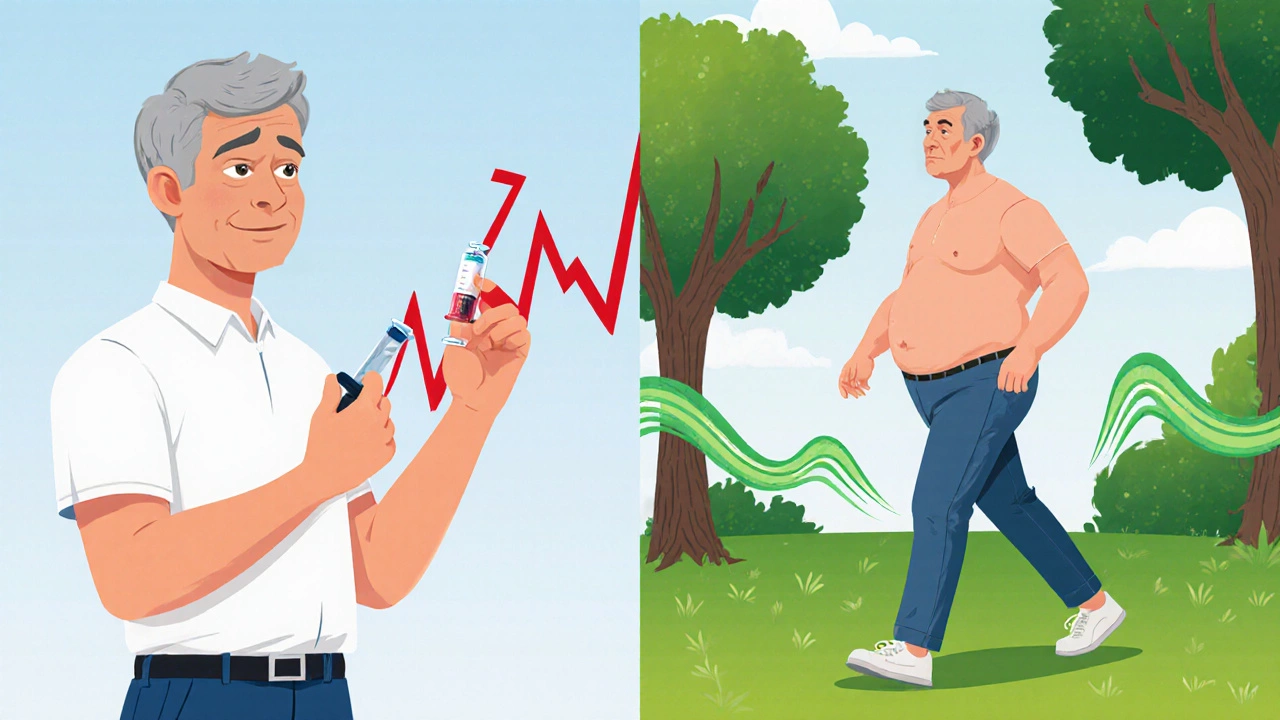
What Is the Strongest Medicine for Diabetes? Top Medications Explained
There's no single strongest medicine for diabetes. The most effective drugs like GLP-1 agonists and SGLT2 inhibitors lower blood sugar, help with weight loss, and protect the heart - but the right choice depends on your health, lifestyle, and goals.
View MoreLatest Posts