Implants Local Anesthesia: What You Need to Know Before the Procedure
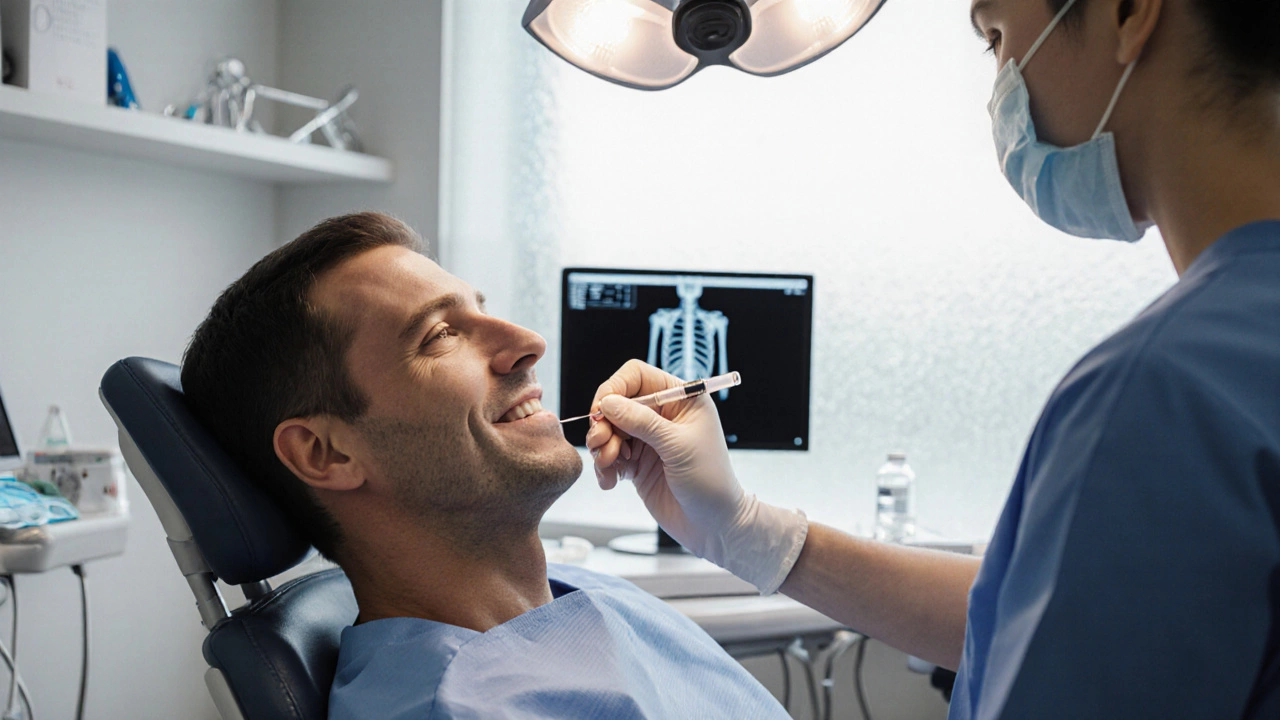
When you get a dental implant, a titanium post surgically placed into the jawbone to replace a missing tooth. Also known as tooth implant, it’s one of the most reliable ways to restore chewing function and smile confidence. But before the implant is placed, you’ll need local anesthesia, a numbing medicine injected directly into the gum tissue to block pain during surgery. It’s the standard, safe choice for most implant procedures in India, and unlike general anesthesia, you stay awake and alert. Many people worry about pain during the procedure, but with proper local anesthesia, you’ll feel pressure, not pain. The key is knowing how it works, what to expect, and when it might not be enough.
Lidocaine, the most common local anesthetic used in dental clinics across India. Also known as xylocaine, it’s fast-acting and usually lasts 1–3 hours. Dentists often mix it with epinephrine to reduce bleeding and make the numbness last longer. But not everyone reacts the same. If you have heart issues, high blood pressure, or are on certain medications, your dentist might avoid epinephrine. And if you’ve had bad experiences with needles in the past, you’re not alone—many patients feel anxious, even if they know the shot won’t hurt much. That’s why some clinics offer topical numbing gels before the injection to ease the sting.
What happens after the shot? Your lip, tongue, or cheek will feel heavy and numb. You might drool a bit. Don’t chew until the numbness wears off—you could bite yourself without realizing it. Most people feel fine within a few hours, but if numbness lasts more than 8 hours, call your dentist. Rare side effects include allergic reactions, nerve damage (tingling that doesn’t go away), or accidental injection into a blood vessel. These are uncommon, but they’re why you need a qualified professional. In India, where dental tourism is growing, make sure your clinic follows basic safety standards: sterile tools, proper dosage, and trained staff.
Some patients wonder if they need sedation instead. For simple single implants, local anesthesia is almost always enough. But if you’re getting multiple implants, have severe anxiety, or the surgery is complex (like a bone graft), your dentist might suggest light sedation on top of the local shot. It’s not always necessary, but it can make the whole experience smoother.
You’ll find real stories below—from people who had implants done in Delhi, Mumbai, and Bangalore—about how they handled the anesthesia, what surprised them, and what they wish they’d known before the needle went in. Some thought it would be scary. Others were shocked at how quick and painless it was. The common thread? Preparation matters. Knowing what to expect reduces fear more than any pill ever could.
Do You Need to Be Put to Sleep for Dental Implants?
Learn whether dental implant surgery requires you to be put to sleep, explore local anesthesia, IV sedation, nitrous oxide, and general anesthesia options, and find out which method fits your health and budget.
View MoreLatest Posts