Healthcare Travel: What You Need to Know Before Seeking Medical Care Abroad
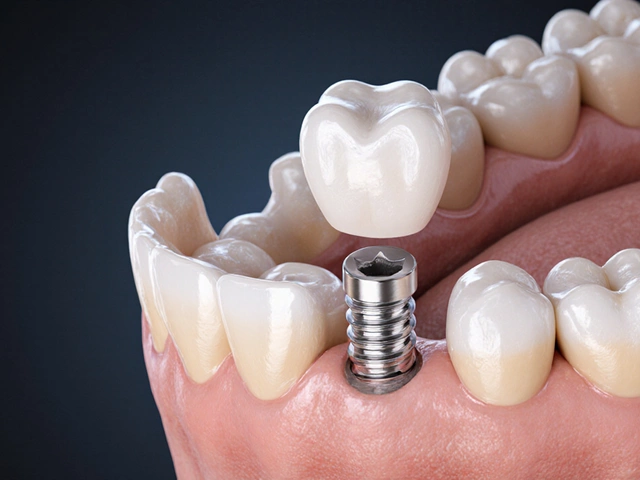
When you hear healthcare travel, the practice of crossing borders to receive medical treatment. Also known as medical tourism, it’s not just about saving money—it’s about accessing care that’s delayed, unaffordable, or unavailable at home. In India, where public hospitals are overloaded and private care can be expensive, many people look overseas for procedures like knee replacements, dental implants, or even cancer treatment. But healthcare travel isn’t just for patients. Doctors, insurers, and even families are starting to plan trips around treatment schedules, not vacations.
What makes healthcare travel work? It’s not just the price tag. It’s the quality of care, the standards and outcomes of medical facilities in foreign countries. Countries like Spain and Thailand have built reputations for reliable, accredited hospitals that meet international safety standards. But not every clinic offering low prices is safe. You need to check licenses, staff credentials, and patient reviews—just like you would for an online pharmacy. And don’t forget the hidden costs: travel, recovery time, follow-up care back home. A surgery that costs $5,000 overseas might end up costing $10,000 when you factor in everything else.
Then there’s the recovery environment, the physical and emotional space where healing happens after treatment. Some people do better recovering in a quiet hotel with family nearby. Others need the support of local specialists who understand their medical history. That’s why some choose to travel only for the procedure, then return home for rehab. Others stay longer, combining treatment with rest in a new setting. Either way, your recovery plan should be as detailed as your surgery plan.
And let’s not ignore the emotional side. People travel for care because they’re desperate—waiting months for a specialist, denied insurance coverage, or told the cost is too high. That stress doesn’t vanish when you land in another country. You’re still dealing with pain, fear, and uncertainty. That’s why support systems—whether family, friends, or local patient advocates—matter more than you think.
What you’ll find in these posts isn’t a list of top destinations. It’s real stories and facts about what happens when people choose healthcare travel. You’ll read about the risks of buying medicine online from unverified sellers, the brain effects after heart surgery abroad, how to pick a safe clinic, and why some of the most trusted care isn’t in the fanciest hospital—but in the places where people actually recover well. This isn’t about tourism. It’s about making smart, safe choices when your health is on the line.

Number 1 Sickness in the World: What Drives Medical Tourism?
Heart disease sits at the top of the list as the world's most common sickness, pushing millions to cross borders for better treatment. This article unpacks why heart disease is such a big deal, what drives people to seek medical care in other countries, and tips for choosing safe, high-quality heart procedures abroad. If you're curious about global healthcare, this guide breaks down the facts in simple terms and shares real advice to help anyone considering medical tourism for heart-related issues.
View MoreLatest Posts