Healing: What Really Works Beyond Medicine
True healing, the process of restoring physical, emotional, or mental well-being after injury, illness, or trauma. Also known as recovery, it’s not just what doctors prescribe—it’s what you live every day. You can take every pill, attend every therapy session, and still feel empty. Why? Because healing doesn’t happen in a clinic. It happens in quiet mornings, in conversations with friends who don’t try to fix you, in walking without headphones, in choosing to eat something nourishing even when you’re tired.
mental healing, the internal process of recovering from emotional pain, trauma, or psychological distress often gets reduced to talk therapy—but therapy alone rarely fixes deep wounds. Real change comes when you build routines that ground you, when you stop punishing yourself for feeling bad, when you let someone hold your hand without needing to explain why you’re crying. emotional resilience, the ability to bounce back from hardship without breaking down isn’t something you’re born with. It’s built through small, repeated acts: saying no when you’re overwhelmed, sleeping even when your mind won’t shut up, showing up for yourself when no one is watching.
And then there’s community support, the network of people who show up for you without conditions. It’s not your Facebook followers. It’s the neighbor who brings soup when you’re too weak to cook. It’s the stranger in a support group who says, ‘Me too,’ and doesn’t look away. Studies show people with strong social ties recover faster from surgery, manage chronic pain better, and are less likely to relapse into depression. You don’t need a big circle. You just need one or two people who know your silence and don’t try to fill it.
self-compassion, treating yourself with the same kindness you’d offer a hurting friend is the quiet engine behind every lasting recovery. It’s not about positive affirmations or bubble baths. It’s about stopping the inner voice that says, ‘You should be further along.’ It’s forgiving yourself for skipping a workout, for crying in the car, for not being ‘strong’ like you thought you had to be. When you stop fighting yourself, healing finally gets space to breathe.
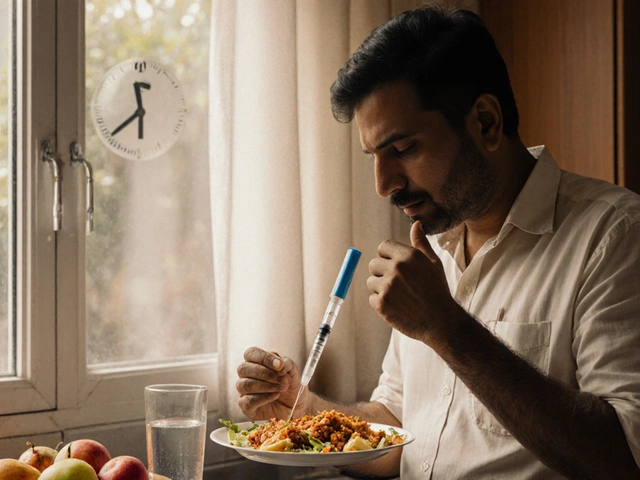
What you’ll find below isn’t a list of miracle cures. It’s real stories from people who got better—not because they followed a protocol, but because they found what actually worked for them. From how Ozempic helped someone lose weight and finally feel in control of their body, to why day three after heart surgery feels like the bottom of a deep well, to how a simple morning routine changed someone’s life after depression. These aren’t theories. They’re lived experiences. And they all point to the same truth: healing is messy, personal, and deeply human. It doesn’t come from a prescription pad. It comes from you, slowly, stubbornly, showing up—for yourself, again and again.

Do You Ever Fully Recover from Open-Heart Surgery?
Wondering if life ever gets fully back to normal after open-heart surgery? This article breaks down what recovery really looks like, what you can expect months and years down the line, and what most people wish they knew before going under the knife. We get into the physical and emotional sides, surprising facts, and helpful tips for bouncing back. You'll get honest, clear answers and some practical advice to make the road ahead less scary. If you or someone you care about is facing heart surgery, this guide clears up what recovery means—and what it doesn't.
View MoreLatest Posts