Dental Implant Drawbacks: What No One Tells You Before You Get One
When you think about replacing a missing tooth, dental implants, permanent titanium posts surgically placed into the jawbone to support artificial teeth. Also known as tooth implants, they’re often called the gold standard for tooth replacement. But calling them perfect? That’s where things get misleading. Many dentists focus on the benefits—durability, natural look, no slippage—but rarely talk about what can go wrong. And if you’re considering one, you deserve to know the full picture.
One big issue? bone loss, the gradual shrinking of jawbone tissue after tooth loss or implant failure. Even with an implant, your jawbone doesn’t always heal perfectly. If you have weak bone density—common in older adults or long-term denture wearers—you might need a bone graft first. That adds cost, time, and risk. Then there’s implant failure, when the implant doesn’t fuse properly with the bone. It happens in 5–10% of cases, often due to smoking, poor oral hygiene, or uncontrolled diabetes. And unlike a crown, you can’t just fix a failed implant—you usually have to remove it and start over.
Cost is another hidden drawback. A single dental implant can run $3,000 to $5,000 in India, and insurance rarely covers it. Compare that to a bridge or removable denture, and the price gap feels unfair, especially if you’re paying out of pocket. Then there’s the recovery: swelling, pain, and dietary restrictions for weeks. Some people develop infections around the implant—peri-implantitis, a gum infection that can destroy bone and lead to implant loss—and it’s hard to treat once it takes hold.
Not everyone is a good candidate. If you’re a smoker, have autoimmune disease, or take certain osteoporosis drugs, your risk of complications jumps. Even if you’re healthy, the surgery isn’t minor. It’s invasive, requires multiple visits, and takes months to complete. And if you’re expecting miracles—like an implant that lasts forever—you might be disappointed. They can last 20+ years, but only if you care for them like real teeth.
So why do people still choose them? Because for many, the benefits outweigh the risks. But that doesn’t mean you should rush in. The posts below break down real cases—people who had complications, others who saved money by choosing alternatives, and what dentists won’t always tell you during a consultation. You’ll find honest stories about recovery, unexpected costs, and what actually works after the hype fades. This isn’t a sales pitch. It’s a reality check.
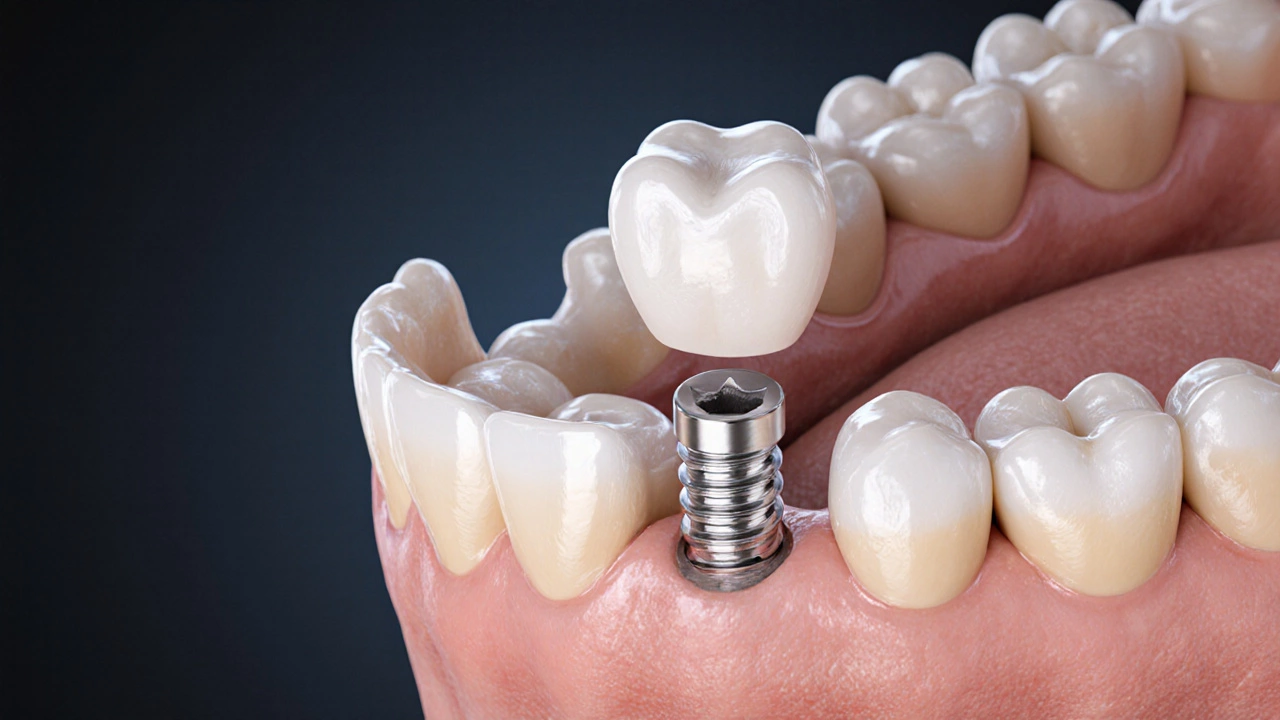
Dental Implant Drawbacks: Risks, Costs, and Complications Explained
Explore the major downsides of dental implants, including risks, costs, healing time, and long‑term maintenance, to help you decide if they're right for you.
View MoreLatest Posts