Colorectal Cancer: Signs, Risks, and What You Need to Know
When we talk about colorectal cancer, a type of cancer that starts in the colon or rectum, often developing slowly from noncancerous polyps. Also known as bowel cancer, it’s one of the leading causes of cancer deaths in India—but also one of the most preventable with simple screenings. Many people don’t realize that early-stage colorectal cancer often has no symptoms. By the time pain, bleeding, or changes in bowel habits show up, it’s already advanced. That’s why knowing your risk and getting checked matters more than waiting for warning signs.
Not everyone with colon cancer, a subtype of colorectal cancer that begins in the large intestine is older or has a family history. While age over 50 increases risk, more young adults in India are being diagnosed now. Obesity, processed meat diets, smoking, and lack of physical activity are rising drivers. Diabetes and inflammatory bowel diseases like ulcerative colitis also raise your chances. And here’s something many don’t know: rectal cancer, the form that develops in the last few inches of the colon often gets missed because symptoms like bleeding are wrongly blamed on hemorrhoids.
Screening isn’t just for the elderly. A colonoscopy can find and remove polyps before they turn cancerous. Fecal tests, like the FIT test, are simple, cheap, and done at home—perfect for people who avoid clinics. In India, where access to specialists varies, awareness is the first real tool you have. If you’ve had a relative with colorectal cancer, or if you’re over 45 and have any digestive changes—bloating, constipation that won’t quit, unexplained weight loss—don’t wait. Talk to your doctor. Early detection doesn’t just mean survival—it means less invasive treatment, shorter recovery, and a better quality of life.
What you’ll find below isn’t just a list of articles. It’s a collection of real stories, science-backed facts, and practical advice from people who’ve faced this disease, doctors who treat it, and experts who study it in the Indian context. From how diet affects risk to what happens after diagnosis, these posts cut through the noise. You’ll learn what really works, what’s overhyped, and what you can do right now to protect yourself and your loved ones.
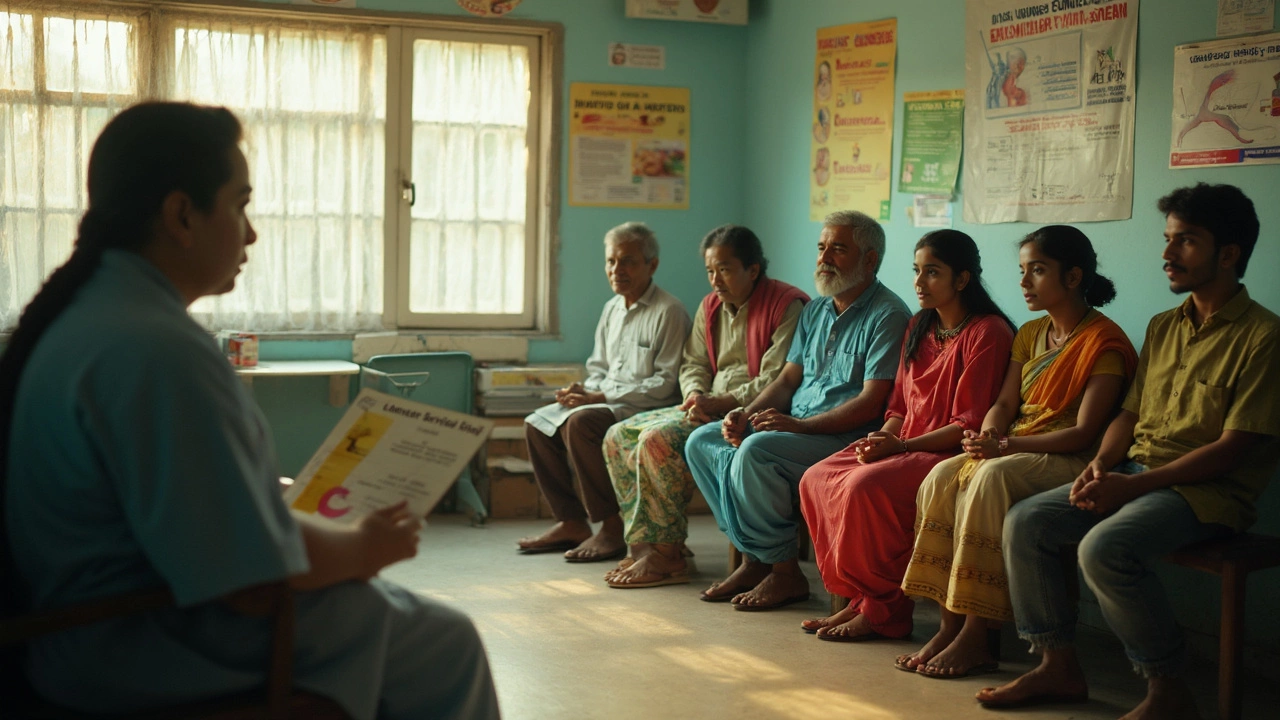
Top 3 Deadliest Cancers: What You Need to Know About Risk and Treatment
Wondering which cancers are the most deadly? This deep dive breaks down the top three deadliest cancers, sharing shocking survival stats, warning signs to watch for, and tips to lower your risk. Learn how early detection can make all the difference and get the latest updates on new treatments. Whether you’re worried about yourself or someone you love, this article will arm you with the knowledge to act fast and stay prepared.
View MoreLatest Posts