Cardiac Surgery Complications: What You Need to Know Before and After
When you or a loved one undergoes cardiac surgery, a surgical procedure to treat heart conditions like blocked arteries or faulty valves. Also known as open-heart surgery, it saves lives—but it doesn’t come without risks. Many people assume the hardest part is the operation itself. But the real challenges often show up afterward: memory lapses, mood swings, confusion, or just feeling "not like yourself." These aren’t rare. Up to 42% of older patients report brain fog after surgery, and personality changes are more common than most doctors admit.
These issues don’t happen because something went wrong—they’re side effects of how the body reacts to major trauma, anesthesia, and the stress of stopping and restarting the heart. Tiny clots, called micro-emboli, can travel to the brain. Inflammation can linger. Medications can cloud thinking. And let’s not forget: your body is fighting to heal while your mind is trying to catch up. This is why cognitive decline after heart surgery, a temporary or sometimes longer-lasting dip in memory, focus, and mental speed shows up so often. It’s not dementia. It’s not weakness. It’s a physiological response. And the good news? Most cases improve over weeks or months with rest, movement, and support.
Then there’s the emotional side. People report becoming more irritable, withdrawn, or even unusually cheerful after surgery. These aren’t just "being tired." They’re linked to brain changes triggered by the procedure. The same inflammation that affects memory can also affect mood centers. That’s why post-op personality shifts, noticeable changes in behavior, emotional responses, or social interaction after heart surgery are now being studied seriously. They’re not in your head—they’re in your biology.
Recovery isn’t just about the chest incision healing. It’s about your brain, your nerves, your sleep, your diet, and your support system. The longer you stay in the hospital after surgery, the more likely you are to face complications like infections or blood clots. But even after discharge, many people struggle with fatigue, confusion, or anxiety without knowing why. That’s why understanding the full picture matters—not just the surgeon’s success rate, but what happens in the days and weeks after you leave the hospital.
You’ll find real stories and science-backed facts here: what causes brain fog after bypass surgery, why some people cry for no reason, how long memory problems last, and what actually helps recovery—not just rest, but movement, social connection, and smart nutrition. These aren’t theoretical concerns. They’re lived experiences. And the posts below give you the clarity you need to prepare, recognize warning signs, and support healing—whether you’re the patient, a caregiver, or just trying to understand what really happens after the heart is opened.
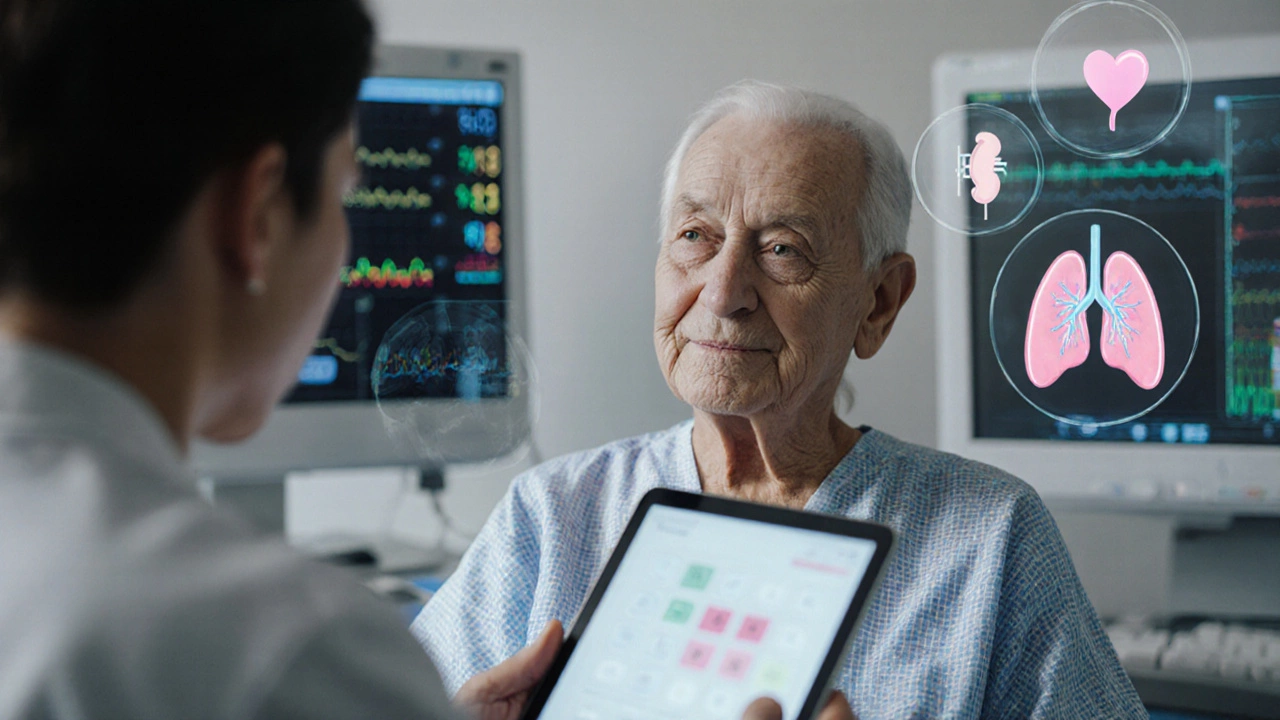
Who Is High Risk for Heart Surgery? Key Factors That Increase Complications
Learn who is at highest risk for heart surgery, including factors like age, diabetes, kidney disease, smoking, and obesity. Understand how doctors assess risk and what you can do to improve your chances.
View More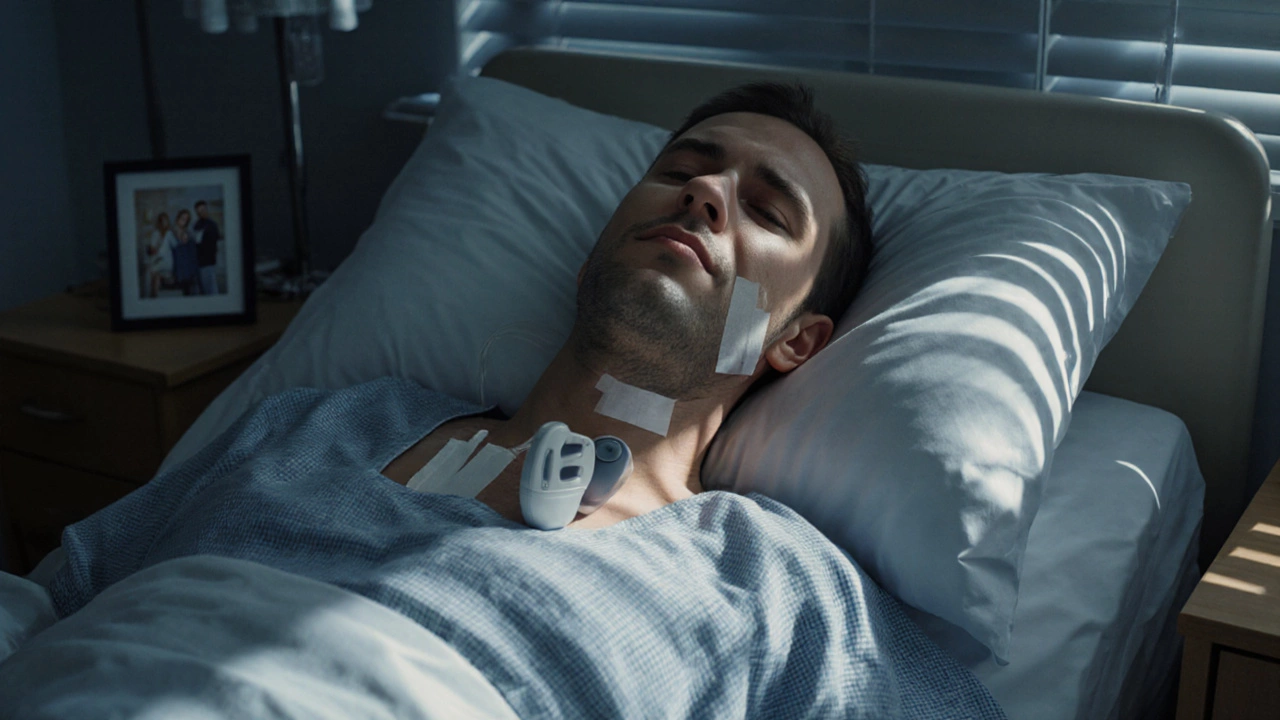
Why Is Day 3 After Heart Surgery the Worst?
Day 3 after heart surgery is often the hardest because pain peaks, inflammation rises, and emotional fatigue hits. Understanding why helps you prepare and recover better.
View MoreLatest Posts