Cardiac Surgery and Memory: How Heart Procedures Affect Brain Function
When you hear about cardiac surgery and memory, the connection between heart operations and changes in thinking, focus, or mood, it’s easy to assume it’s just about aging or stress. But it’s not. Studies show up to 40% of people report memory lapses, trouble concentrating, or even shifts in personality after open-heart surgery. These aren’t random—they’re linked to real biological changes during the procedure, like tiny blood clots (micro-emboli) traveling to the brain, or inflammation triggered by the heart-lung machine. This isn’t something you just ‘get over’—it’s a recognized side effect with patterns, causes, and ways to manage it.
What’s happening inside your brain during surgery? The heart-lung machine, while keeping you alive, can’t perfectly filter out microscopic debris. These particles, along with the body’s own inflammatory response, can briefly disrupt brain function. That’s why many people feel foggy for days or weeks after surgery. It’s not depression. It’s not laziness. It’s brain inflammation, a physiological reaction triggered by surgical trauma and blood flow changes. And it’s not just memory. People report losing their usual calm, becoming irritable, or forgetting names they’ve known for decades. These are cognitive changes after heart surgery, measurable declines in attention, processing speed, or executive function following cardiac procedures. They’re temporary for most, but they can last months—and they’re often dismissed by doctors who focus only on the heart.
Then there’s the emotional layer. When someone starts acting differently—no longer laughing at the same jokes, forgetting birthdays, or struggling to follow conversations—it’s not just their brain. It’s their relationships. Family members notice it first. That’s why personality change after heart surgery, a shift in behavior, mood, or emotional response following cardiac operations is one of the most under-discussed issues. It’s not psychosis. It’s not weakness. It’s a neurological ripple effect. And the good news? Early recognition leads to faster recovery. Physical therapy, mental stimulation, and even controlled social interaction can help rebuild neural pathways. The brain is more adaptable than we think.
You’ll find real stories here—not theory. Posts that explain why Day 3 after surgery feels like the worst, how anesthesia plays a role, and why some people bounce back in weeks while others struggle for months. You’ll see how diabetes, age, and pre-existing brain health affect outcomes. You’ll learn what’s normal and what needs attention. This isn’t about scaring you. It’s about giving you the facts so you know what to watch for, when to ask for help, and how to support recovery—not just the chest, but the mind too.
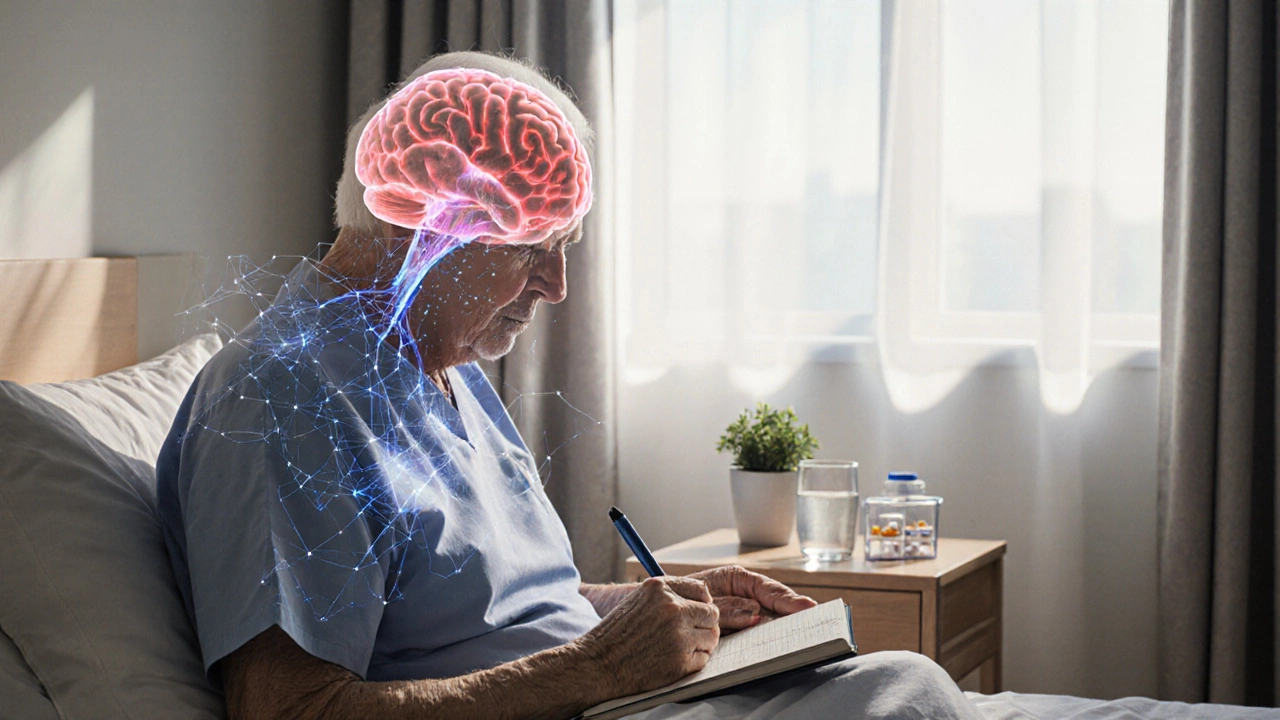
What Happens to the Brain After Heart Surgery?
Heart surgery can affect brain function, causing memory issues and brain fog in up to 42% of older patients. Learn why this happens, who’s at risk, and how to support brain recovery after surgery.
View MoreLatest Posts