Calories for 55-Year-Old Woman: How Much You Really Need to Stay Healthy
For a 55-year-old woman, a woman in her mid-fifties navigating changes in metabolism, muscle mass, and hormone levels, figuring out how many calories to eat isn’t about counting every bite—it’s about eating right for your body right now. Your metabolism slows down after 50, not because you’re getting older, but because you’re losing muscle and moving less. That means the same food that kept you at a steady weight at 45 might start packing on pounds at 55. You don’t need to starve yourself. You just need to adjust.
Daily calorie needs, the amount of energy your body requires to function at rest and during activity for a 55-year-old woman typically range between 1,600 and 2,200 calories a day, depending on how active you are. If you’re mostly sedentary—sitting most of the day—you’ll likely need closer to 1,600. If you walk daily, do light gardening, or take a class twice a week, you might need 1,800 to 2,000. Only if you’re regularly strength training or doing vigorous activity should you aim for 2,200. Most women over 50 don’t need more than that. Eating more just leads to fat gain, not energy. And here’s the thing: weight management after 50, the process of maintaining a healthy body weight despite natural metabolic shifts isn’t about willpower. It’s about matching your food intake to your actual energy use. That’s why fad diets fail. Your body isn’t broken. It’s just changed.
Metabolism slowdown, the natural decline in how quickly your body burns calories as you age happens because you lose muscle—about 3-5% per decade after 30. Muscle burns more calories than fat, even at rest. So when you lose muscle, your body needs fewer calories. That doesn’t mean you should eat less protein. It means you should eat more protein and move more. Strength training, even just twice a week, can reverse most of this slowdown. And don’t confuse hunger with thirst. Many women over 50 mistake dehydration for hunger. Drink water first. Wait 10 minutes. Then eat if you’re still hungry.
And healthy eating for women over 50, a pattern of eating focused on nutrient density, blood sugar balance, and long-term vitality isn’t about cutting carbs or fats. It’s about choosing foods that support your bones, your heart, and your brain. Think eggs, beans, leafy greens, fatty fish, nuts, and whole grains. Skip the sugary snacks and processed foods—they spike your blood sugar, make you hungrier, and worsen inflammation. You don’t need to count calories forever. You just need to learn what foods fill you up without filling you out.
The posts below give you real, practical advice from women who’ve been there. You’ll find what works for managing weight after 50, how diabetes meds like Ozempic and Metformin affect appetite, why heart health ties into what you eat, and how to avoid misleading cleanses or quick fixes. No fluff. No myths. Just clear, science-backed info that fits your life.
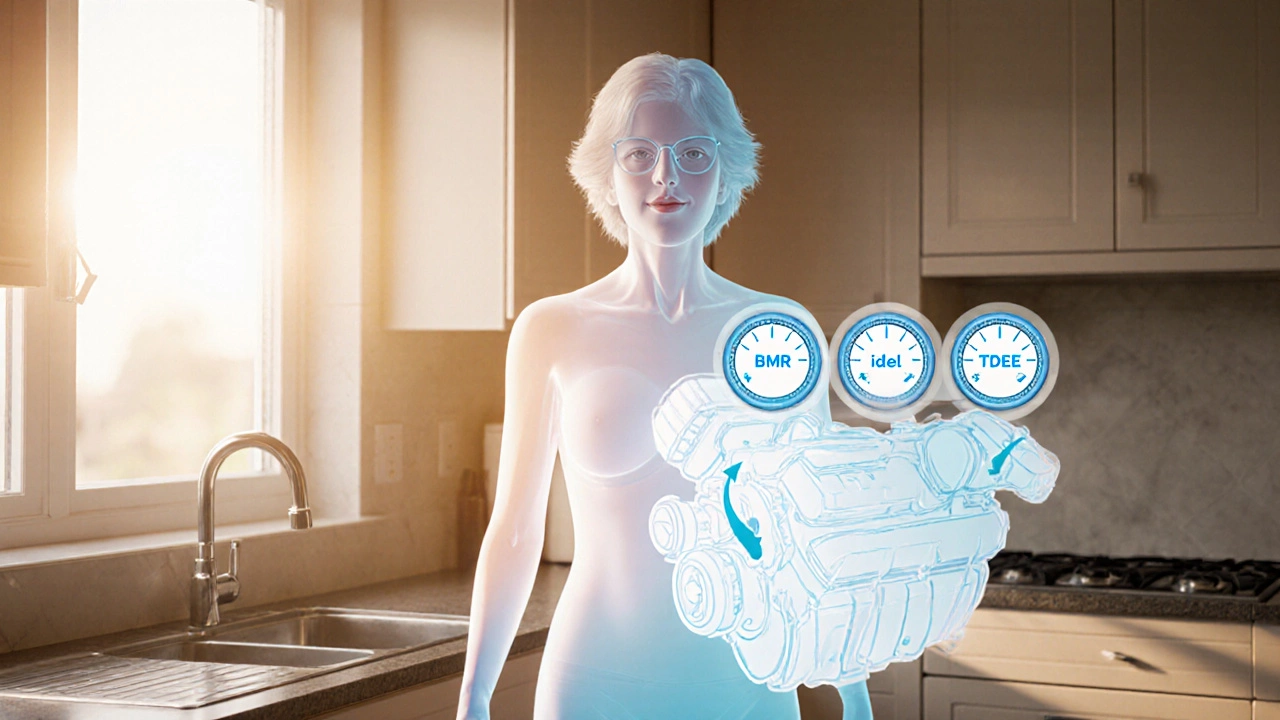
Daily Calorie Goal for a 55‑Year‑Old Woman to Lose Weight
Learn how many calories a 55‑year‑old woman should eat to lose weight, calculate BMR and TDEE, set a safe deficit, and avoid common pitfalls.
View MoreLatest Posts