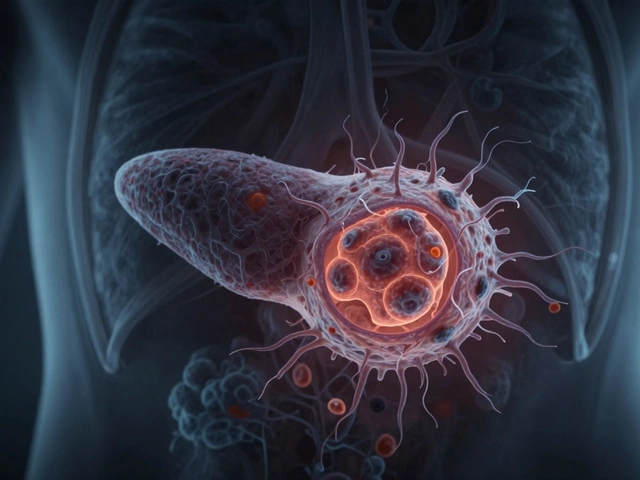
Brain After Heart Surgery: What Happens and Why It Matters
When you have heart surgery, your brain, the control center for thought, emotion, and movement doesn’t just sit quietly on the sidelines. It’s affected—sometimes dramatically—by the stress of surgery, anesthesia, reduced blood flow, and tiny clots that can travel from the heart to the brain. These changes aren’t rare. In fact, up to 40% of patients report confusion, memory lapses, or emotional shifts in the weeks after open-heart surgery. This isn’t just "old age" or "stress." It’s a real, measurable impact on brain function, often called cognitive changes after heart surgery, a temporary decline in mental clarity, focus, or memory following cardiac procedures.
Why does this happen? During surgery, the heart-lung machine can cause tiny air bubbles or clots to break loose. These can block small blood vessels in the brain, leading to micro-injuries. Inflammation from the surgery also floods the body, and the brain doesn’t escape it. Anesthesia, especially in older adults, can linger longer than expected, fogging thinking for days or weeks. And let’s not forget the emotional toll: fear, sleep disruption, and pain all add up. These factors together create what doctors call post-cardiac surgery cognitive dysfunction, a cluster of mental symptoms that can include trouble concentrating, slowed thinking, and mood swings. It’s not dementia. It’s not permanent for most. But it’s real, and it needs attention.
What you might notice: forgetting names, struggling to find words, feeling unusually irritable, or losing interest in things you used to enjoy. Some people report feeling like they’re not themselves—like their personality shifted. That’s not in their head. It’s personality change after heart surgery, a documented effect linked to brain inflammation and neurological stress. The good news? Most of these symptoms improve within 3 to 6 months. The better news? There are proven ways to speed it up: gentle movement, good sleep, social connection, and avoiding alcohol or heavy meds. If you or a loved one is struggling after surgery, don’t wait. Talk to your doctor. Cognitive rehab, simple memory exercises, and even structured routines can make a big difference.
What you’ll find in the posts below are real stories and science-backed facts about what happens to the brain after heart surgery. You’ll learn why day three feels the worst, how anesthesia plays a role, and what signs mean it’s time to seek help. There’s no fluff—just clear, practical info from people who’ve been there and experts who’ve studied it. Whether you’re recovering yourself or supporting someone who is, this collection gives you the tools to understand, manage, and recover—not just your heart, but your mind too.
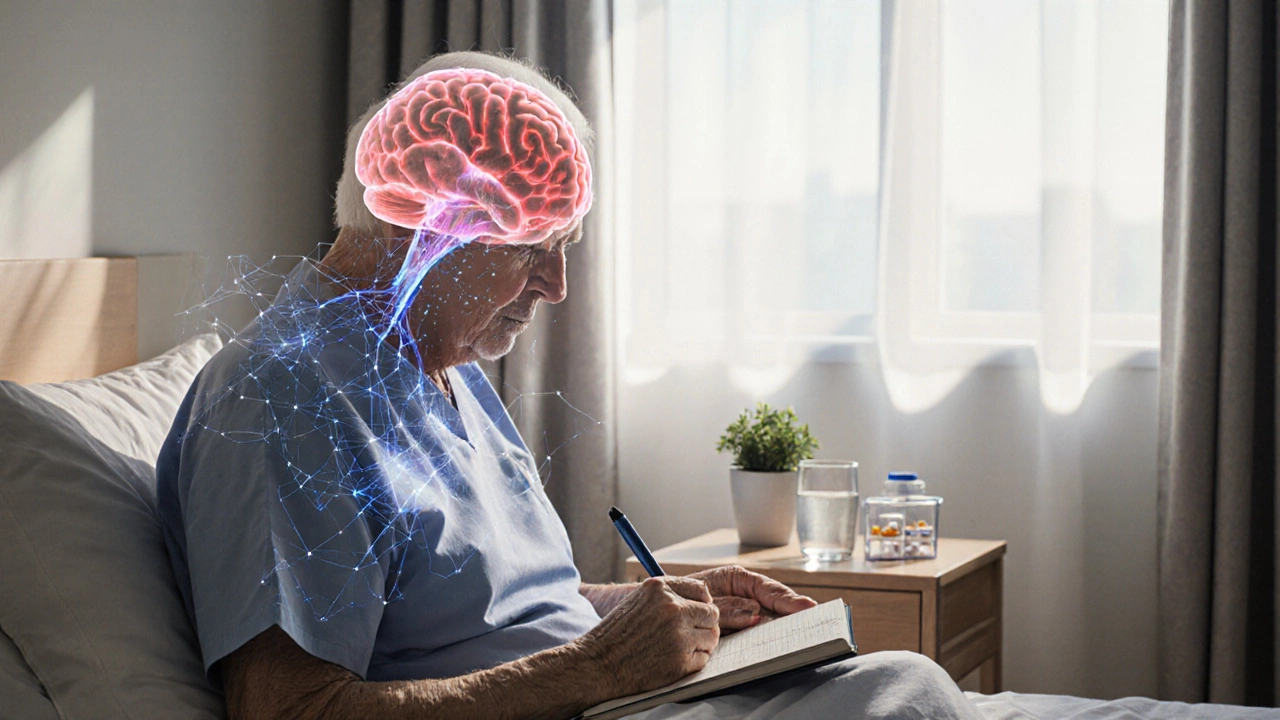
What Happens to the Brain After Heart Surgery?
Heart surgery can affect brain function, causing memory issues and brain fog in up to 42% of older patients. Learn why this happens, who’s at risk, and how to support brain recovery after surgery.
View MoreLatest Posts