Ayurvedic Breakfast Calculator
Discover Your Perfect Morning Meal
Answer 4 quick questions to get personalized breakfast recommendations based on Ayurvedic principles. This tool helps you choose foods that balance your dosha and support your digestive fire (Agni).
Your Morning Energy
Your Digestion Pattern
Your Skin Tendency
Your Preferred Breakfast
Your Ayurvedic Breakfast Recommendation
Recommended Foods
- Best Grains:
- Ideal Fats:
- Supporting Spices:
Sample Recipe
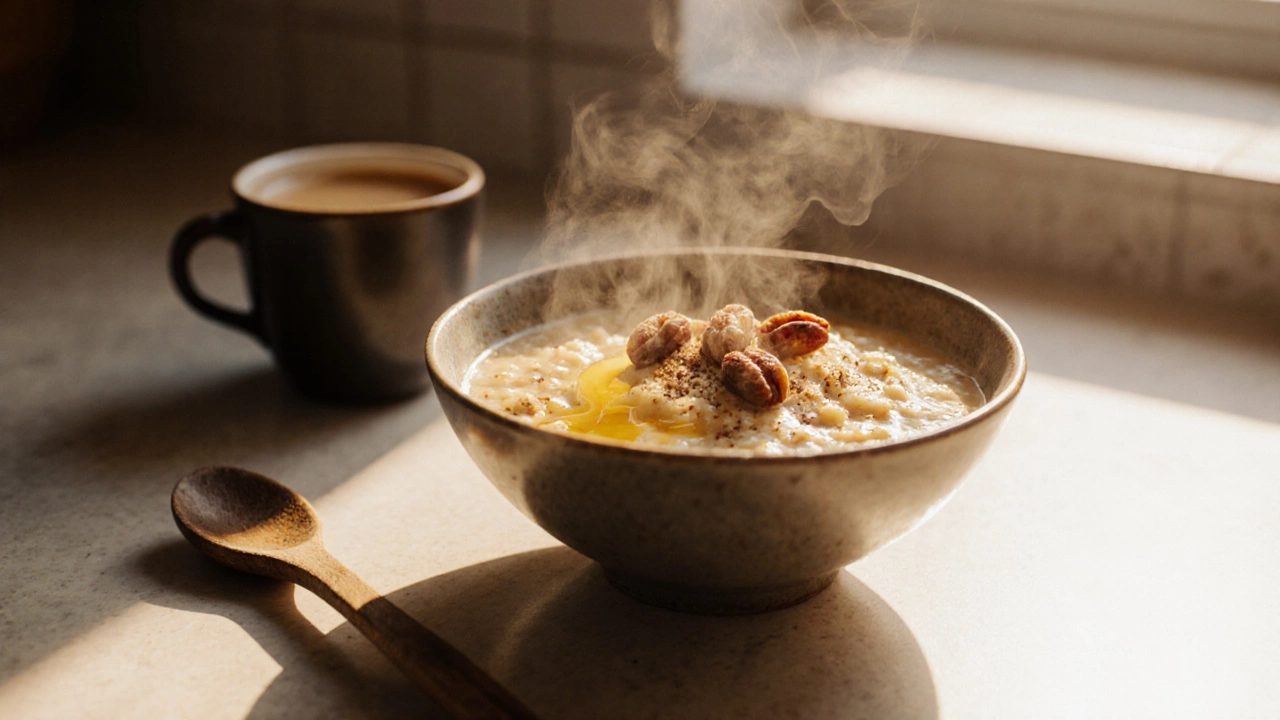
Ever wonder why you feel sluggish after a cup of coffee and a toast, while a simple bowl of warm spiced porridge leaves you energized for the day? In Ayurveda, the first meal of the day sets the tone for your digestive fire, or Agni the metabolic engine that determines how well you absorb nutrients. Choosing the right foods for your unique constitution can turn a chaotic morning into a smooth start.
Ayurvedic Breakfast: A Quick Definition
Ayurvedic breakfast a morning meal designed to balance the three doshas-Vata, Pitta, and Kapha-while gently awakening the digestive fire. It isn’t about skipping food or loading up on processed cereals; it’s about warm, easy‑to‑digest, nutritionally dense ingredients that nourish both body and mind.
Understanding Doshas and Their Morning Needs
The core of Ayurvedic nutrition is the concept of Dosha the primary energetic forces-Vata, Pitta, Kapha-that govern physiology and personality. Each dosha has a preferred temperature, taste, and texture, especially at breakfast when Agni is still low.
- Vata air‑earth combination, prone to dryness and cold
- Pitta fire‑water blend, tends toward heat and sharpness
- Kapha water‑earth duo, marked by heaviness and moisture
When your breakfast aligns with your dominant dosha, Agni awakens without strain, leading to steady energy, clear thinking, and a calm mood.
Key Principles for a Balanced Morning Meal
- Eat warm, cooked foods. Cold or raw items dampen Agni, especially in Vata and Kapha types.
- Prefer sweet, sour, and salty tastes. These three tastes are grounding and support digestion; avoid excessive bitter, pungent, or astringent flavors at breakfast.
- Include healthy fats. Ghee, clarified butter, or a drizzle of sesame oil lubricates the gut and carries fat‑soluble vitamins.
- Time it right. Aim to eat within the first 3‑4 hours after waking, when the digestive fire is naturally strongest.
- Seasonal awareness. Adjust spices and grains according to weather; winter calls for warming spices, summer for cooling herbs.
Food Recommendations by Dosha
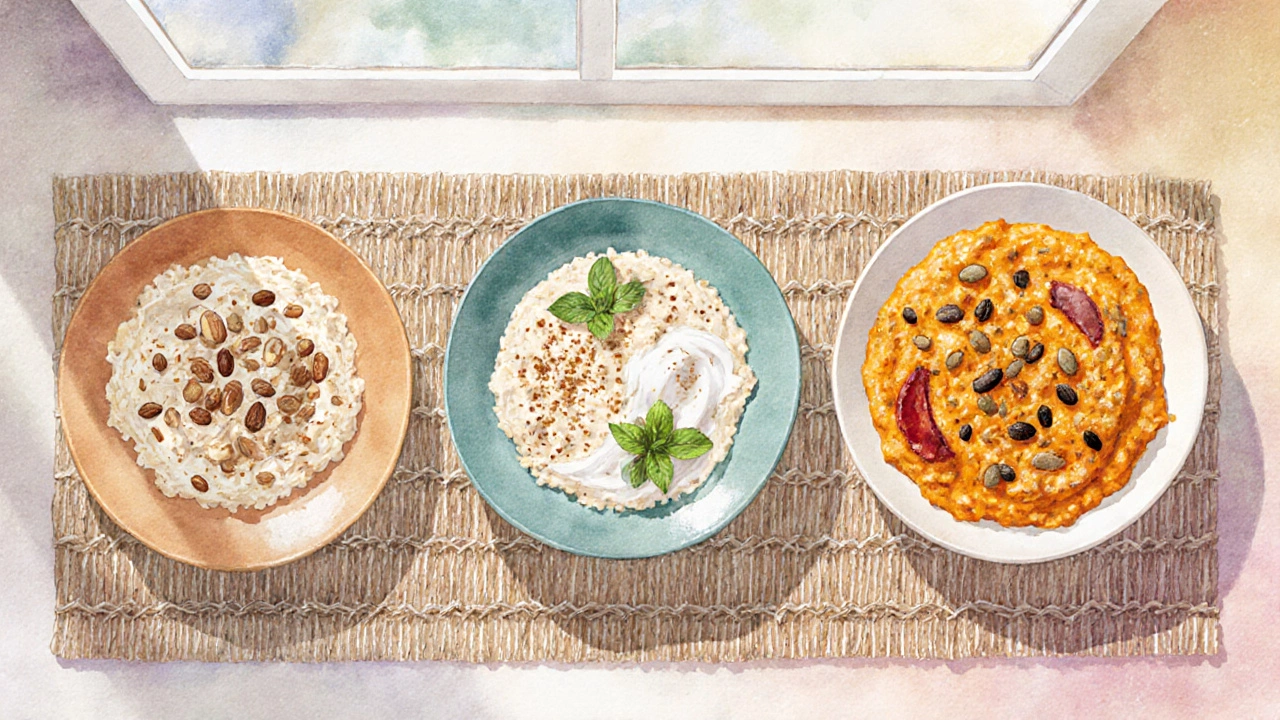
Below is a quick‑look table that matches common breakfast ingredients with each dosha’s needs. Choose the items that resonate most with your constitution.
| Dosha | Best Grains | Ideal Fats | Supporting Spices | Typical Dish |
|---|---|---|---|---|
| Vata | Warm oatmeal, rice, quinoa | Ghee, almond butter | Ginger, cinnamon, cardamom | Cooked oatmeal with ghee, raisins, and a pinch of cinnamon |
| Pitta | d>Millet, barley, basmati rice | Ghee (light), coconut oil | Coriander, fennel, cooling mint | Millet porridge with coconut milk, fennel seeds, and a dash of mint |
| Kapha | Amaranth, buckwheat, rye | Ghee (moderate), sesame oil | Black pepper, turmeric, clove | Amaranth khichdi with ghee, turmeric, and a sprinkle of black pepper |
Seasonal Adjustments for Your Morning Plate
Ayurveda teaches that the environment influences dosha balance. Here’s how to tweak your breakfast across the year:
- Winter (December‑February): Opt for additional warming spices like cloves, nutmeg, and extra ghee. Root vegetables such as sweet potato add both heat and sweetness.
- Spring (March‑May): Lighten the diet with a touch of citrus (lemon juice) and fresh herbs like cilantro to counter rising Kapha.
- Summer (June‑August): Favor cooling flavors-coconut water, a dash of mint, and raw shredded cucumber on the side (only for Vata‑dominant types who tolerate a bit of raw).
- Monsoon (September‑November): Keep meals moist but not heavy; add a spoonful of black sesame paste for grounding without heaviness.
Sample Morning Menus with Simple Recipes
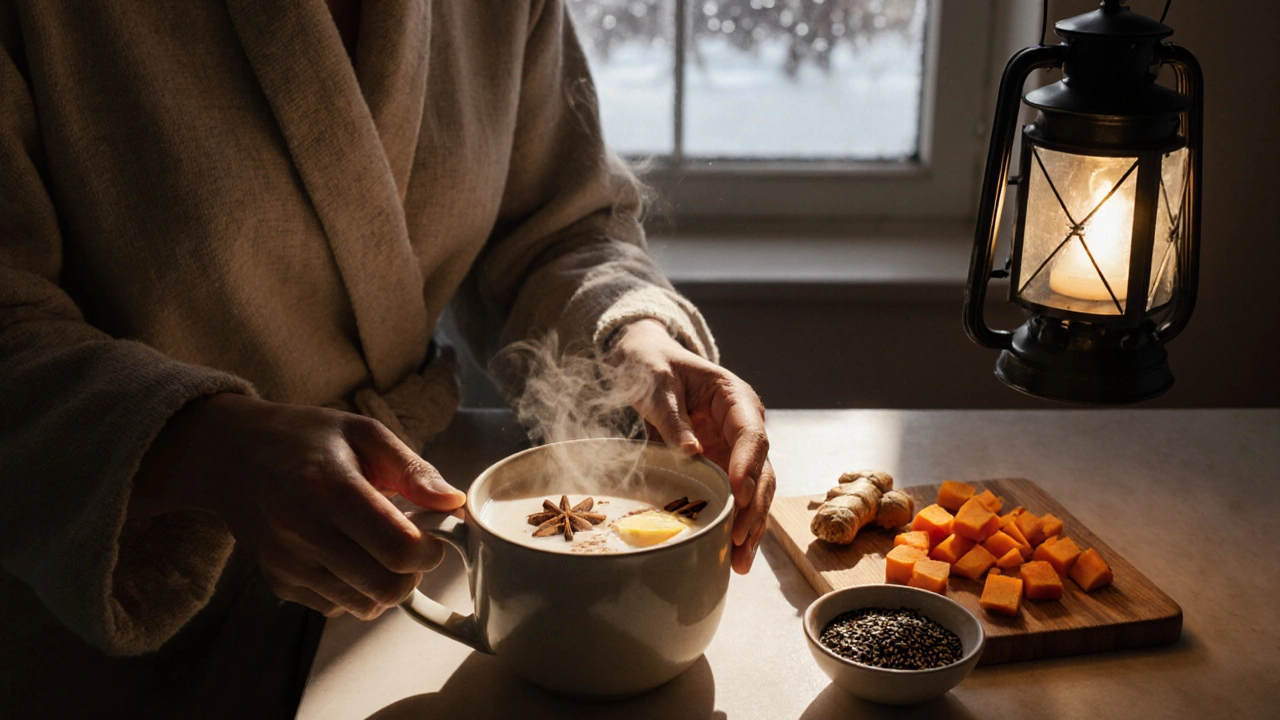
Below are three ready‑to‑cook menus, each tailored to a dosha. Feel free to mix-and-match based on your taste and seasonal needs.
Vata‑Balancing Breakfast
- Heat 1 cup of water; add ½ cup rolled oats, a pinch of sea salt, and a drizzle of Ghee clarified butter that lubricates the gut and carries fat‑soluble nutrients. Cook for 5 minutes.
- Stir in 2 tbsp soaked almonds, 1 tbsp raisins, and ¼ tsp ground cinnamon.
- Serve with a cup of warm ginger‑lemon tea.
Pitta‑Cooling Breakfast
- Rinse ½ cup millet; cook in 1½ cups water with a pinch of salt until soft.
- Add ¼ cup coconut milk, 1 tsp fennel seeds (lightly toasted), and a handful of fresh mint leaves.
- Finish with a drizzle of honey (if you tolerate sweet).
Kapha‑Energizing Breakfast
- Combine ½ cup amaranth with 1 cup water; simmer until water is absorbed.
- Stir in 1 tsp ghee, ½ tsp turmeric, and a pinch of black pepper.
- Top with a spoonful of grated apple and a sprinkle of toasted pumpkin seeds.
Common Pitfalls and Pro Tips
- Avoid sugary cereals. They spike blood sugar, aggravate Pitta, and leave Vata feeling jittery.
- Skip cold coffee first thing. Cold beverages dampen Agni. If you need caffeine, brew hot herbal tea with a dash of cinnamon.
- Don’t over‑load on raw fruit. Fresh fruit is best mid‑day; at breakfast, it can cool the fire too much for Vata and Kapha.
- Listen to your body. If you feel heavy after a meal, reduce grains and increase spices. If you feel shaky, add a bit more healthy fat.
Quick Takeaways
- Warm, cooked foods with healthy fats support Agni.
- Choose sweet, sour, and salty tastes for breakfast.
- Match grains, fats, and spices to your dominant dosha.
- Adjust spices seasonally to keep the body in balance.
- Keep the meal simple: 1‑2 ingredients plus a spice blend.
Can I drink coffee after an Ayurvedic breakfast?
A small cup of hot coffee is okay for most people, but it should be taken after the meal, not before. The coffee can otherwise dampen Agni, especially for Vata and Kapha.
What if I’m a mixed dosha?
Start with a balanced blend-oatmeal with a touch of ghee, a pinch of cinnamon, and a small side of fresh fruit. Adjust spices week by week based on how you feel.
Is it okay to eat bread in the morning?
Whole‑grain, toasted bread can work for Pitta if you add ghee and a sweet spread. For Vata and Kapha, prefer warm porridges over dry bread.
How long should I wait after waking before eating?
Aim for 30‑60 minutes after you get out of bed. This gives your body time to become fully alert and prepares Agni for digestion.
Can I skip breakfast on busy days?
Skipping isn’t recommended. If you’re rushed, sip a warm mug of spiced almond milk or a small bowl of cooked quinoa with ghee.