Blood Sugar Control: How to Manage It Naturally and With Medicine
When your blood sugar control, the body’s ability to keep glucose levels within a healthy range. Also known as glucose regulation, it’s not just about avoiding diabetes—it’s about preventing heart disease, nerve damage, and kidney problems down the line. If you’re Indian, you’re at higher risk. Studies show over 10% of adults in India have diabetes, and many more are sliding toward it without knowing. The good news? You don’t need to wait for a diagnosis to take action.
GLP-1 agonists, a class of diabetes drugs that slow digestion and reduce appetite like semaglutide and liraglutide aren’t just for lowering sugar—they help you lose weight, too. That’s why they’re now first-line for many people with type 2 diabetes. Then there’s SGLT2 inhibitors, medications that make your kidneys flush out extra sugar through urine. These don’t just control sugar—they protect your heart and kidneys, even in people who don’t have diabetes yet. And yes, insulin therapy, the oldest and most direct way to lower blood sugar is still vital for some, especially when other drugs stop working.
But meds aren’t the whole story. What you eat, when you move, and how much you sleep all shape your blood sugar control. Eating white rice every day? That’s a problem. Skipping meals? That spikes sugar later. Sitting all day? That makes your body ignore insulin. The best control comes from combining medicine with real-life changes—not fad diets or detox teas. You don’t need to quit sugar entirely. You just need to understand how your body reacts to it.
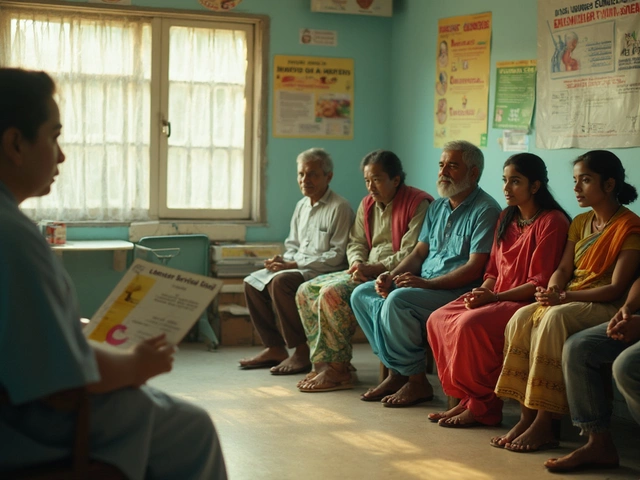
What you’ll find below aren’t generic tips. These are real stories and science-backed facts from people in India who’ve managed their sugar levels—some with pills, some with food, some with both. You’ll see how heart surgery patients deal with sugar swings, why some diabetes meds help with weight loss, and what actually works when Ayurvedic cleanses don’t. No fluff. No hype. Just what you need to know to take control before it takes control of you.
Top Diabetes Drug: Why Metformin Is the Most Popular Medication
Metformin remains the most prescribed diabetes drug worldwide thanks to its low cost, proven safety, and strong glucose‑lowering effect.
View More
What Is the 30/30/30 Diet? How It Works, Benefits, and Indian Breakfast Ideas
The 30/30/30 diet means 30g protein within 30 minutes of waking plus 30 minutes of easy exercise. See how it works, science, Indian meal ideas, and who should avoid it.
View More
Metformin vs Ozempic: Key Differences, Uses, and Effects Explained
Are metformin and Ozempic the same? Discover how these diabetes medications differ in use, effects, benefits, and side effects, with practical tips and real-world insights.
View MoreLatest Posts