Cancer Prognosis & Outlook Estimator
Why This Matters
Statistics are historical averages, not crystal balls. Modern medicine has dramatically improved outcomes, especially with targeted therapies and immunotherapy.
This tool provides general estimates based on published data. Always consult your oncologist for personal prognosis.
Estimated Outlook Summary
5-Year Relative Survival Estimate
--%
Compared to general populationPrognosis Category
Key Factors Influencing Outcome
It is the question that haunts every patient and family member the moment a diagnosis is confirmed. "How long do I have?" It feels like you are asking for a countdown timer on your life. The honest answer is complicated. There is no single number that applies to everyone because cancer is not one disease; it is hundreds of different diseases behaving in unique ways.
Your lifespan depends less on the word "cancer" itself and more on specific details: what type of cells are involved, how far the disease has spread, your age, your general health, and how well your body responds to treatment. While statistics exist, they are historical averages, not crystal balls. Many people live far longer than the numbers suggest, thanks to rapid advances in medicine over the last decade.
The Reality of Survival Statistics
When doctors talk about life expectancy, they often use the term "5-year relative survival rate." This sounds technical, but it is straightforward. It compares people with a specific type and stage of cancer to people in the overall population who do not have that cancer. If the rate is 90%, it means people with that cancer are, on average, 90% as likely as others to live at least five years after diagnosis.
These statistics come from large databases like the National Cancer Institute (NCI) in the United States or the American Cancer Society (ACS). They look back at data from people diagnosed years ago. This is crucial context. Treatments available today-such as immunotherapy and targeted therapy-are significantly better than those used five or ten years ago. Therefore, current patients often outlive these historical predictions.
Survival rates vary wildly by cancer type. For example:
- Thyroid cancer: Has a 5-year survival rate of nearly 100% when detected early.
- Breast cancer: Around 99% if localized (has not spread), dropping to about 30% if it has metastasized to distant organs.
- Pancreatic cancer: Much lower, with a 5-year survival rate of around 13% overall, though this is slowly improving with new surgical techniques and drugs.
- Lung cancer: Varies greatly by subtype, but non-small cell lung cancer has seen significant improvements due to genetic testing and targeted pills.
Understanding these numbers helps set expectations, but they should never define your personal journey. You are an individual, not a data point.
Why Stage Matters More Than Type
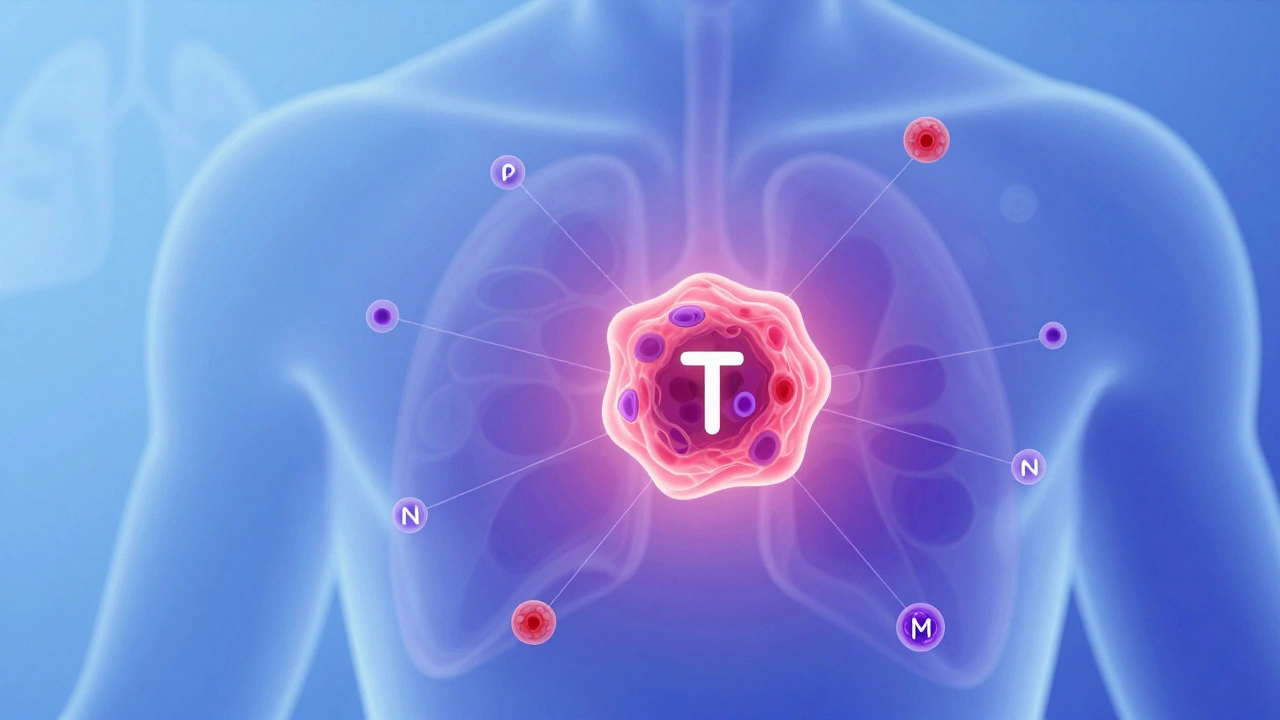
If there is one factor that most heavily influences life expectancy, it is the stage of the cancer at diagnosis. Staging describes how much cancer is in the body and where it is located. Most cancers use the TNM system:
| Component | Meaning | Impact on Prognosis |
|---|---|---|
| T (Tumor) | Size and extent of the primary tumor | Larger tumors are harder to remove completely. |
| N (Node) | Whether cancer has spread to nearby lymph nodes | Spread to nodes indicates higher risk of distant spread. |
| M (Metastasis) | Whether cancer has spread to other parts of the body | Metastatic disease (Stage IV) is generally not curable but often treatable. |
Stage 0 and I: The cancer is small and contained. Surgery or radiation can often cure it completely. Life expectancy is usually normal or near-normal.
Stage II and III: The cancer is larger or has spread to nearby tissues or lymph nodes. Treatment is more aggressive, involving chemotherapy or radiation alongside surgery. Cure is still possible, but the risk of recurrence is higher.
Stage IV: The cancer has metastasized to distant organs like the liver, lungs, bones, or brain. Historically, this was considered terminal. Today, many Stage IV cancers are treated as chronic conditions. Patients can live for years, sometimes decades, managing the disease rather than curing it.
Modern Treatments Extending Life
The landscape of cancer care has shifted dramatically. We are moving away from the "one-size-fits-all" approach of traditional chemotherapy toward precision medicine. This shift is the primary reason why survival rates are climbing even for advanced stages.
Immunotherapy is a game-changer. Instead of attacking all fast-growing cells like chemo does, immunotherapy helps your own immune system recognize and destroy cancer cells. Drugs like checkpoint inhibitors (e.g., pembrolizumab, nivolumab) have led to long-term remission in some patients with advanced melanoma, lung cancer, and kidney cancer-cases that were previously fatal within months.
Targeted Therapy focuses on specific genetic mutations within the cancer cells. For instance, if a breast cancer patient tests positive for the HER2 protein, drugs like trastuzumab can specifically block that protein’s growth signals. This makes treatment more effective and less toxic to healthy cells.
Hormone Therapy blocks hormones that fuel certain cancers, such as breast and prostate cancer. These treatments can keep the disease in check for many years, allowing patients to maintain a good quality of life while living with the cancer.
Quality of Life vs. Quantity of Time
Living with cancer is not just about counting days; it is about how you spend them. Modern oncology places a huge emphasis on palliative care. Note that palliative care is not the same as hospice. Hospice is for end-of-life care, while palliative care is specialized medical care focused on providing relief from symptoms and stress of a serious illness. It can be provided alongside curative treatment.
Good symptom management-controlling pain, nausea, fatigue, and anxiety-allows patients to stay active, work, and enjoy time with family. Studies show that patients who receive early palliative care often live longer than those who do not, possibly because their bodies remain stronger and they adhere better to treatment plans.
Your mental health plays a massive role here. Anxiety and depression are common after a diagnosis. Addressing these through counseling, support groups, or medication is part of comprehensive cancer care. A positive mindset doesn’t cure cancer, but it helps you cope with the grueling process of treatment.

Personal Factors That Influence Outcomes
Beyond the biology of the tumor, your personal health profile matters. Doctors consider several factors when estimating prognosis:
- Age: Younger patients often tolerate aggressive treatments better, but some cancers behave more aggressively in younger people. Older adults may have slower-growing cancers but might struggle with side effects.
- Overall Health (Comorbidities): Conditions like heart disease, diabetes, or obesity can complicate treatment. A healthy heart and lungs allow for safer surgeries and better recovery.
- Lifestyle Choices: Quitting smoking immediately upon diagnosis improves outcomes for lung and other cancers. Limiting alcohol and maintaining a balanced diet can boost immunity and energy levels during treatment.
- Genetic Markers: Tests like BRCA1/BRCA2 for breast cancer or Lynch syndrome for colorectal cancer help predict how the cancer will behave and which drugs will work best.
Living with Metastatic Cancer: A New Normal
For those with Stage IV cancer, the goal shifts from cure to control. This is often called "living with cancer" rather than "recovering from cancer." Advances in drug development mean that when one line of treatment stops working, another is often available. Clinical trials offer access to cutting-edge therapies that might not yet be standard care.
Many people with metastatic cancer continue to work, travel, and raise children. The key is regular monitoring. Scans and blood tests track whether the cancer is stable, shrinking, or growing. Adjustments to medication are made proactively to keep the disease suppressed.
Support systems are vital here. Family, friends, and professional counselors provide the emotional backbone needed to navigate the uncertainty. Financial toxicity is also a real concern; cancer treatment is expensive. Navigating insurance, assistance programs, and hospital financial aid offices is part of the practical side of surviving long-term.
Can you live a normal life with cancer?
Yes, many people do. Especially with early-stage cancers that are curable, or with chronic manageable cancers like certain leukemias or hormone-positive breast cancers. "Normal" might look slightly different-you may have regular doctor visits or take daily medication-but most people return to work, hobbies, and social activities.
What is the average life expectancy for stage 4 cancer?
It varies drastically by cancer type. For pancreatic cancer, it might be measured in months without treatment, but with new therapies, some live years. For metastatic breast cancer, median survival is now often 5+ years, with many living much longer. For melanoma, immunotherapy has turned what was once a death sentence into a manageable condition for many. Always ask your oncologist for statistics specific to your exact subtype and genetic markers.
Does alternative medicine help extend life with cancer?
There is no scientific evidence that alternative therapies like essential oils, special diets, or supplements can cure cancer or significantly extend life on their own. However, complementary therapies like acupuncture for pain, yoga for stress, or meditation for anxiety can improve quality of life. Never replace standard medical treatment with alternative methods without consulting your oncologist, as some supplements can interfere with chemotherapy.
How accurate are cancer survival statistics?
They are based on past data, so they often underestimate current outcomes. Since treatments improve rapidly, someone diagnosed today has a better chance than someone diagnosed five years ago. Statistics are useful for understanding general trends but cannot predict individual results. Your genetics, response to treatment, and overall health are unique to you.
What questions should I ask my doctor about prognosis?
Ask: "What is the stage and grade of my cancer?" "What is the goal of treatment (cure vs. control)?" "What are the potential side effects?" "Are there clinical trials I qualify for?" "What is the typical survival rate for my specific type and stage, considering modern treatments?" Writing these down before your appointment ensures you get the information you need to make informed decisions.