IVF Baby Appearance Predictor: Genetics Simulator
Understand how dominant and recessive genes determine physical traits. This simulator calculates the probability of your child inheriting specific features based on basic Mendelian genetics.
Parent A (e.g., Mom)
Parent B (e.g., Dad)
You’ve seen the headlines. You’ve heard the whispers at the clinic waiting room. "They say you can pick which parent the baby looks like with IVF." It sounds like science fiction, doesn't it? Or maybe it sounds like a tempting shortcut to getting that perfect family photo. But here is the hard truth: IVF does not let you choose whether your child will have your nose or your partner’s eyes.
If you are wondering if In Vitro Fertilization changes the genetic blueprint of how your child looks, the short answer is no. An IVF baby is genetically just as random-and just as unique-as a baby conceived naturally. However, the process does involve some steps that might *feel* like selection, leading to plenty of confusion. Let’s break down exactly what happens to those genes, why certain traits pop up, and where the real magic (and mystery) lies.
The Genetic Lottery: Nature vs. Lab
First, we need to clear up a massive misconception. Many people think that because an embryo is created in a lab dish, scientists are mixing ingredients like a chef. They aren’t. They are more like gardeners moving seeds from one pot to another.
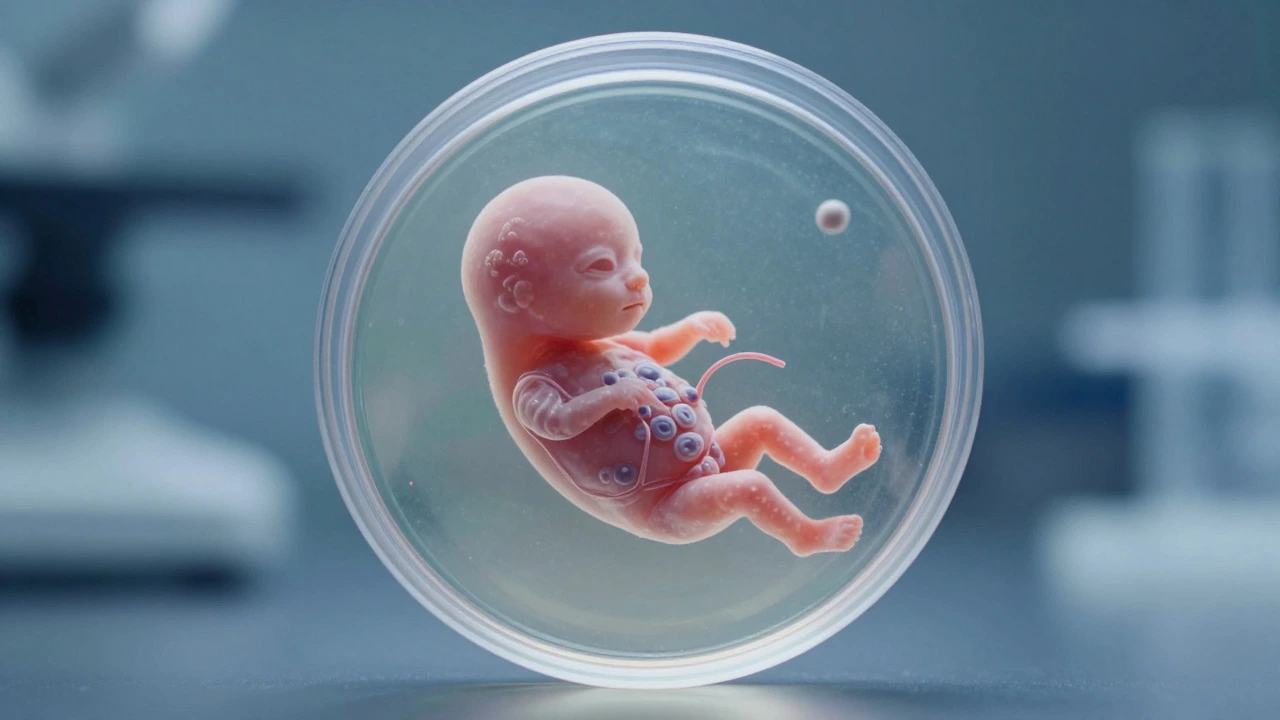
In natural conception, sperm meets egg inside the body. In IVF, that meeting happens outside, in a petri dish. Once fertilization occurs, the resulting embryo contains half its DNA from the mother and half from the father. This 50/50 split is non-negotiable. Whether that zygote divides in your fallopian tube or in a controlled incubator, the genetic instructions for eye color, hair texture, height, and facial structure remain the same.
So, if the genetics are identical, why do people ask this question? It usually comes down to two things: the visual similarity of early embryos and the advanced testing options available during treatment.
Does Embryo Selection Change Appearance?
This is where the myth gets sticky. During an IVF cycle, you often produce multiple embryos. Not all of them are viable. Doctors grade these embryos based on their development speed, cell symmetry, and fragmentation. A "high-grade" embryo looks healthy under a microscope. A "low-grade" one might look irregular.
Here is the catch: **Embryo grading has nothing to do with physical appearance.** A doctor cannot look at a cluster of cells and see blue eyes or curly hair. They are looking for signs of health and developmental potential. Choosing the "best" embryo means choosing the one most likely to implant and grow into a healthy pregnancy, not the one that looks cutest or resembles a specific parent.
However, there is a nuance called Preimplantation Genetic Testing (PGT), also known as PGS or PGD. This test screens embryos for chromosomal abnormalities (like Down syndrome) or specific single-gene disorders (like Cystic Fibrosis). While PGT ensures genetic health, it does not screen for cosmetic traits. You can’t use PGT to select for blonde hair or tall stature unless you are screening out a disease linked to those genes, which is rare and ethically complex.
| Common Myth | Scientific Fact |
|---|---|
| Doctors can pick which parent the baby looks like. | No. Genetic inheritance is random; doctors only select for health/viability. |
| IVF babies have different DNA than natural babies. | No. DNA comes solely from the sperm and egg providers. |
| Using donor eggs/sperm guarantees resemblance to the donor. | Partially true. The child will share genetic traits with the donor, but expression varies. |
| Freezing embryos changes their physical traits. | No. Vitrification preserves the genetic material without altering it. |
The Role of Donor Gametes
Now, let’s talk about scenarios where the answer actually changes. If you are using your own egg and your partner’s sperm, the baby is a genetic mix of the two of you. But what if you are using donor eggs or donor sperm?
In cases of Egg Donation or sperm donation, the genetic contribution shifts entirely. If you use a donor egg, the baby will be genetically related to the donor and the sperm provider (your partner), but not to you (the gestational carrier). In this case, the baby may physically resemble the donor and the father. Conversely, if you use donor sperm, the baby shares genetics with you and the donor.
Many clinics provide limited information about donors-height, eye color, ethnicity, and sometimes a childhood photo. Some couples try to match these traits to their own, hoping for a visual connection. But remember, even with donor gametes, genetics is a lottery. A child with two brown-eyed parents can still have blue eyes if both carry the recessive gene. The same unpredictability applies to donor-conceived children.
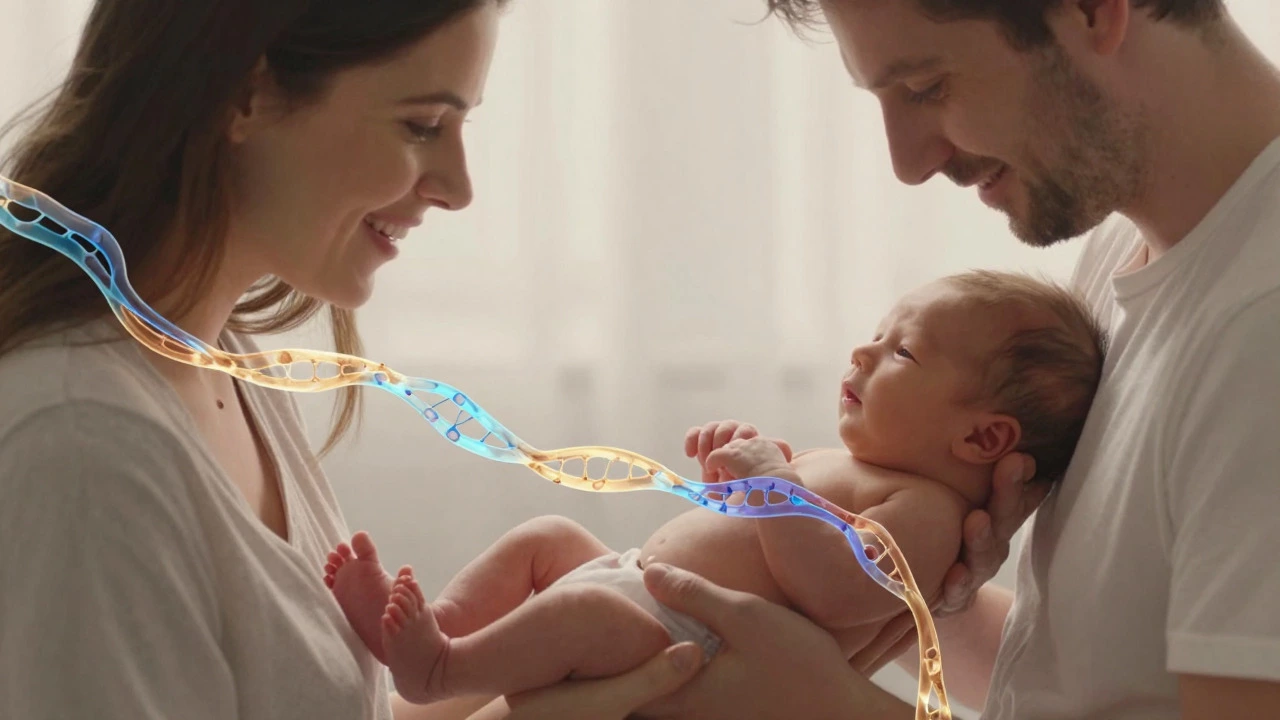
Why Do Some IVF Parents Think Their Kids Look Different?
I’ve spoken to dozens of parents in Bangalore who feel their IVF-born children look "different" from their naturally conceived siblings or themselves. Is this real, or is it psychological?
Often, it’s the latter. When you undergo IVF, the journey is intense. You track every hormone, every scan, every heartbeat. The birth feels earned, monumental. Sometimes, this emotional weight makes us hyper-aware of our child’s features. We scrutinize them. We compare them. We notice details we might have ignored otherwise.
There’s also the factor of age. Couples pursuing IVF are often older than those conceiving naturally. As we age, our perception of youth and beauty shifts. Plus, epigenetics-the study of how environment affects gene expression-plays a role. Stress, nutrition, and lifestyle during pregnancy can influence how certain genes are expressed, though this rarely changes major structural traits like bone structure or eye color.
Understanding Dominant and Recessive Traits
To really understand why your IVF baby looks the way they do, you need a quick refresher on basic genetics. It’s not just "mom’s genes win" or "dad’s genes win." It’s about dominant and recessive alleles.
- Dominant traits: These show up even if only one parent passes them on. Examples include dark eyes (brown over blue), curly hair, and dimples.
- Recessive traits: These require both parents to pass on the gene. Examples include blue eyes, red hair, and straight hair.
If you have blue eyes and your partner has brown, but your partner carries a hidden blue-eye gene (from their own parents), your IVF baby could absolutely have blue eyes. This isn’t special to IVF; it’s just Mendelian genetics. The randomness is part of the charm. No amount of lab work can override the roll of the genetic dice.

Epigenetics: The Hidden Layer
While IVF doesn’t change the DNA sequence, recent research suggests it might influence Epigenetics. Epigenetics refers to chemical markers that attach to DNA and tell genes when to turn on or off. These markers can be influenced by environmental factors.
Some studies suggest that the culture media used in IVF labs or the stress of the procedure might cause subtle epigenetic changes. However, these changes are generally minor and do not result in visible physical differences like face shape or skin tone. Most importantly, large-scale studies have shown that IVF children are just as healthy and normal as naturally conceived children. Any epigenetic effects are typically related to metabolic health later in life, not aesthetics.
What Really Matters Beyond Looks
It’s easy to get caught up in the "who does the baby look like" conversation. It’s a common icebreaker at family gatherings. But as any parent will tell you, the resemblance fades in importance very quickly. What matters is the health, happiness, and bond you build with your child.
IVF is a medical intervention designed to overcome infertility. Its success is measured in heartbeats, kick counts, and first steps-not in mirror images. Embrace the surprise. That unexpected curl of hair or shade of iris is a reminder that your child is a unique individual, a blend of love, science, and sheer luck.
Can doctors choose the gender of an IVF baby?
In many countries, including India, selecting the gender of a baby for non-medical reasons is illegal due to concerns about sex-selective abortion. However, Preimplantation Genetic Testing (PGT) can identify the sex of an embryo to prevent sex-linked genetic diseases. So, while technically possible in the lab, it is heavily regulated and rarely done just for preference.
Do IVF babies age faster or slower than natural babies?
No. There is no scientific evidence suggesting that IVF babies age differently than naturally conceived children. Their biological aging process follows standard human development patterns. Any perceived differences are usually anecdotal or related to general health factors, not the IVF procedure itself.
If I use my husband's sperm and a donor egg, who will the baby look like?
The baby will be genetically related to your husband and the egg donor. Therefore, the child is more likely to share physical traits with your husband and the donor. You, as the gestational mother, will not share a genetic link, so physical resemblance to you is unlikely, though bonding and shared environment play huge roles in perceived similarity.
Does freezing embryos affect the baby's appearance?
No. The process of vitrification (rapid freezing) preserves the embryo's genetic material perfectly. Thousands of studies have confirmed that frozen-thawed embryos develop normally and result in babies with no increased risk of physical abnormalities compared to fresh transfers.
Can IVF increase the chance of twins affecting appearance?
IVF has a higher rate of multiple births if more than one embryo is transferred. Identical twins (monozygotic) look nearly identical because they share the same DNA. Fraternal twins (dizygotic) are just like regular siblings born at the same time and can look very different. The method of conception doesn't change how they look, only the likelihood of having multiples.