Dental Implant Lifespan Estimator
Fill in your details and click calculate to see your estimated implant longevity.
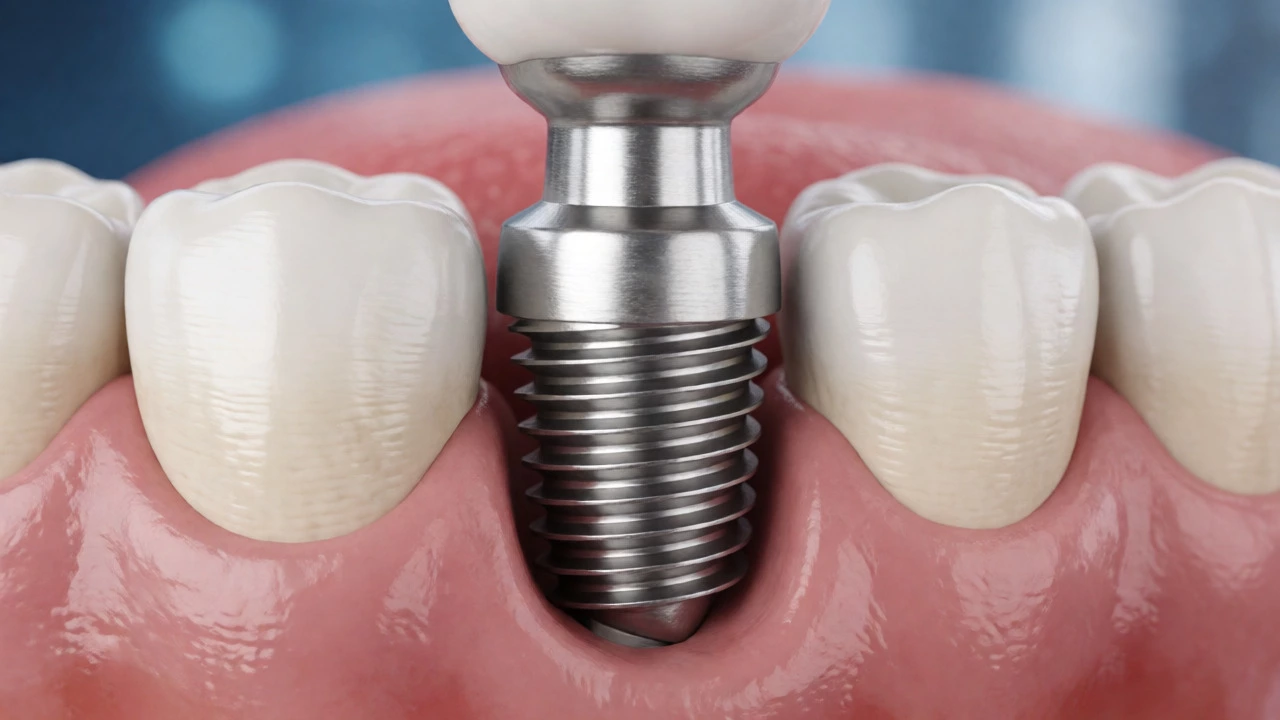
You just paid a premium for that dental implant a titanium screw surgically placed into the jawbone to support a prosthetic tooth. It feels solid, it looks real, and you’re wondering: is this a one-time fix or a recurring expense? The short answer is surprisingly good news. While your natural teeth have a limited lifespan dictated by genetics and decay, modern implants are engineered to be permanent fixtures. But "permanent" doesn't mean "maintenance-free." If you think you can ignore them because they can’t get cavities, you might lose that investment in five years instead of thirty.
The Real Numbers on Implant Durability
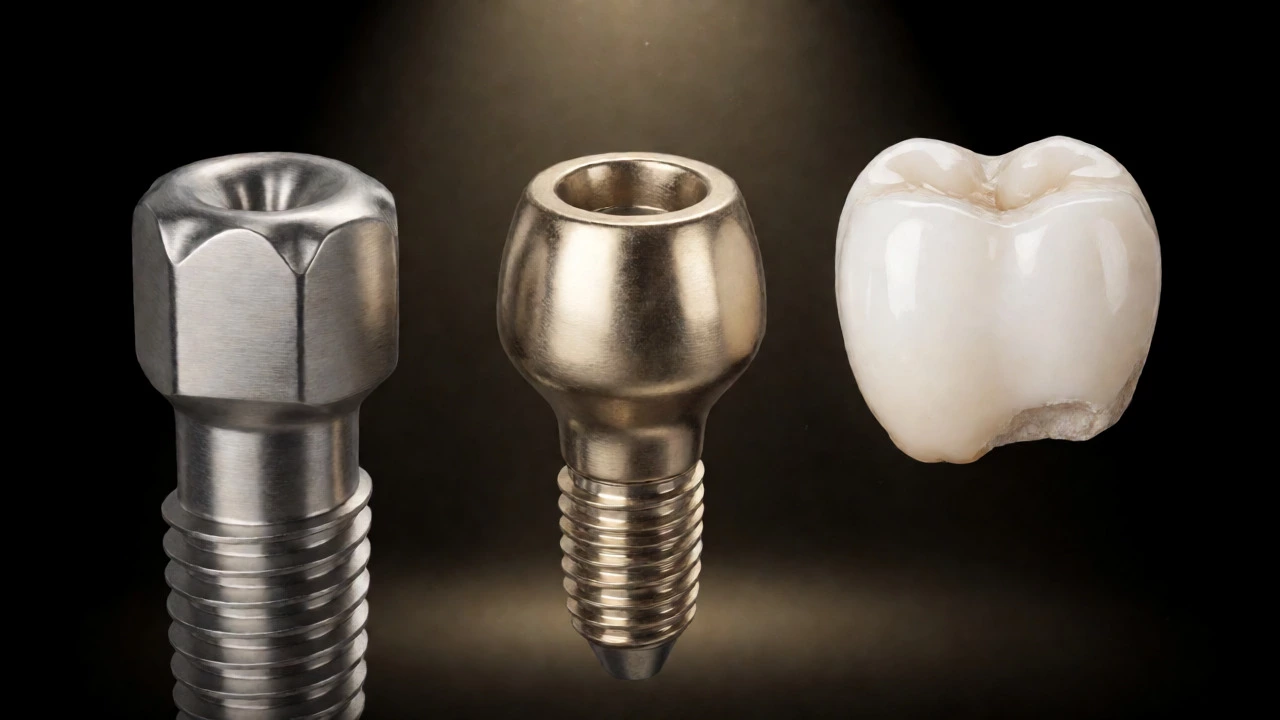
Let’s cut through the marketing fluff. A well-maintained dental implant has a success rate exceeding 95% over ten years, according to data from the American Academy of Implant Dentistry. Many patients keep their implants for 20, 30, or even 40 years. Some of the earliest titanium implants placed in the 1980s are still functioning today. However, longevity isn't uniform across all parts of the restoration. You need to distinguish between the three components:
- The Implant Post (Fixture): This is the titanium screw fused to your bone. With proper care, this part is designed to last a lifetime. It doesn't wear down like enamel.
- The Abutment: The connector piece between the post and the crown. These may need replacement every 10-15 years due to mechanical stress or screw loosening.
- The Crown (Prosthetic Tooth): This is the visible tooth. Made of porcelain or zirconia, it wears down like natural teeth. Expect to replace crowns every 10-15 years depending on bite force and material quality.
Think of it like owning a car. The engine block (implant post) lasts forever if not abused, but the tires (crown) and belts (abutments) need periodic replacement. Budgeting for crown replacements is smart financial planning, not a sign of failure.
| Component | Material | Average Lifespan | Primary Risk Factor |
|---|---|---|---|
| Implant Post | Titanium / Zirconia | Lifetime (25+ years) | Peri-implantitis (bone loss) |
| Abutment | Titanium / Gold Alloy | 10-15 Years | Screw fracture / Loosening |
| Crown | Porcelain / Zirconia | 10-15 Years | Chipping / Wear |
Why Implants Fail Early
If an implant fails within the first year, it’s usually biological. If it fails after ten years, it’s often mechanical or hygiene-related. The biggest enemy of an implant isn't sugar-it's bacteria around the gum line. Peri-implantitis an inflammatory condition affecting the soft and hard tissues surrounding a dental implant causes bone loss similar to periodontal disease. Unlike natural teeth, implants don't have a periodontal ligament to fight off infection, so once bone starts receding, it accelerates quickly.
Smoking is another major killer. Nicotine constricts blood vessels, reducing oxygen supply to the healing bone. Studies show smokers are twice as likely to experience implant failure. If you smoke, your implant lifespan drops significantly unless you quit before surgery. Also, consider your bite. If you grind your teeth at night (bruxism), you’re putting hundreds of pounds of pressure on a single titanium screw. Without a night guard, you risk fracturing the crown or loosening the abutment.
Factors That Shorten Your Implant's Life
Your daily habits dictate whether you hit the 20-year mark or the 5-year mark. Here is what actually matters:
- Oral Hygiene Routine: Flossing isn't optional. You must clean under the crown where plaque accumulates. Use water flossers or interdental brushes specifically designed for implants.
- Regular Professional Cleanings: Standard scaling tools can scratch titanium surfaces, creating rough spots where bacteria cling. Ask your hygienist to use plastic or carbon curettes for implant maintenance.
- Systemic Health Conditions: Uncontrolled diabetes impairs healing and increases infection risk. Osteoporosis medications (bisphosphonates) can also affect bone integration. Always disclose your full medical history.
- Dietary Choices: Chewing ice, hard candy, or opening packages with your front teeth can chip porcelain crowns. Treat your implant like a delicate instrument, not a bottle opener.
Signs Something Is Wrong
Pain is rare with healthy implants because the nerve is gone. Don't wait for pain to act. Watch for these subtle red flags:
- Bleeding Gums: If your gums bleed when brushing around the implant, it’s early-stage inflammation. Catch it now, and it’s reversible. Ignore it, and you lose bone.
- Mobility: Natural teeth have slight movement; implants should feel rock-solid. Any wobble indicates a loose screw or failed osseointegration.
- Bad Taste or Breath: Persistent bad breath localized to one area suggests trapped food or pus formation deep in the pocket.
- Gum Recession: If the metal collar becomes visible, it’s not just cosmetic. Exposed threads attract more plaque and accelerate bone loss.
Maximizing Longevity: A Proactive Approach
You can extend the life of your implant by treating it like a high-end asset. Start with a baseline: get a 3D CBCT scan immediately after placement to document bone levels. Compare future X-rays against this baseline to detect microscopic bone loss before symptoms appear.
Invest in professional maintenance every six months. Tell your dentist explicitly that you have implants. They need different cleaning protocols than natural teeth. Consider using chlorhexidine mouthwash periodically if your dentist recommends it, but don't overuse it as it stains teeth.
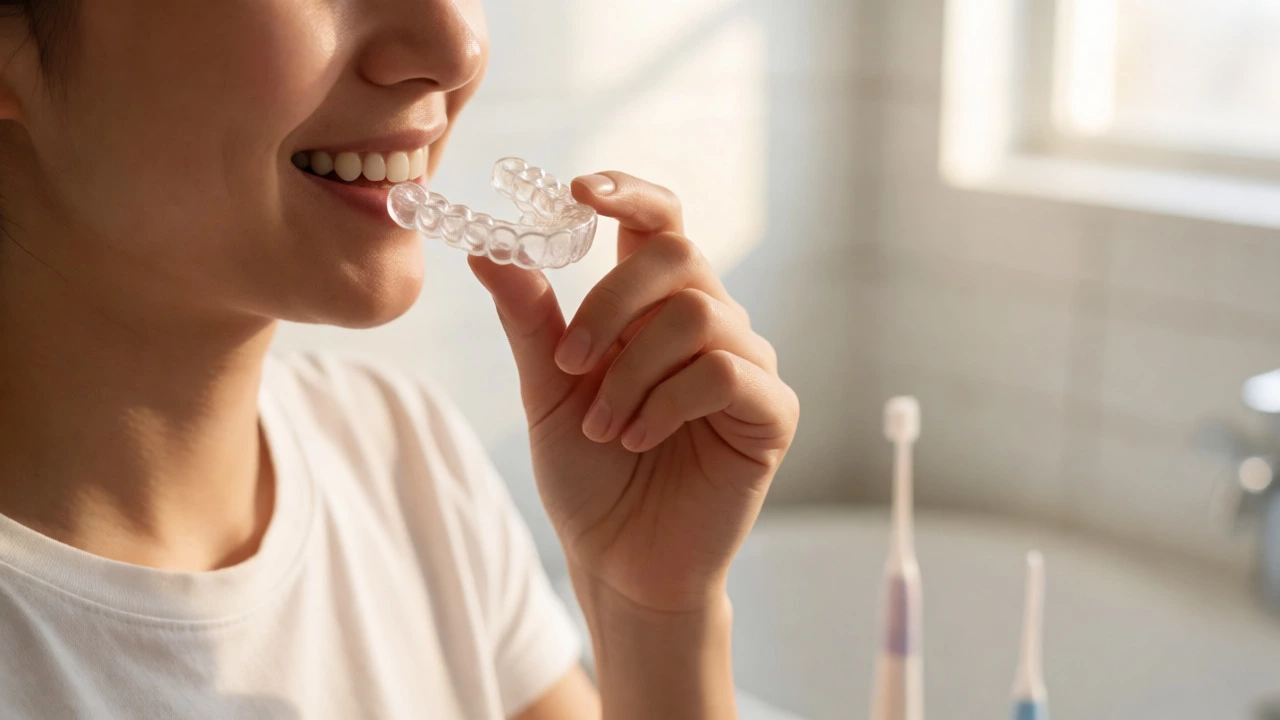
If you grind your teeth, get a custom night guard made of hard acrylic. Soft guards absorb shock poorly and can actually encourage grinding. Hard guards distribute force evenly across all teeth, protecting both your natural dentition and the implant crown.
When Replacement Becomes Necessary
Not all failures require removing the entire implant. Sometimes, only the crown needs replacement due to aesthetic aging or chipping. Other times, the abutment screw breaks, which is easily fixed by unscrewing and replacing the component. True implant removal-unscrewing the fixture from the bone-is reserved for cases of severe peri-implantitis where more than 50% of the supporting bone is lost. This is rare if you stay proactive.
In Bangalore, where dental tourism is booming, many patients ask about cost versus longevity. Cheaper implants often use lower-grade titanium alloys or less precise manufacturing tolerances. Micro-gaps between the abutment and post can harbor bacteria, leading to earlier failure. Paying slightly more for reputable brands like Straumann, Nobel Biocare, or Zimmer often pays dividends in long-term stability.
Do dental implants last longer than bridges?
Yes, generally. A traditional bridge relies on adjacent natural teeth for support, which often weaken over time due to drilling and stress. Bridges typically last 7-15 years. An implant stands alone without altering neighboring teeth, preserving overall oral structure. While the crown may need replacement, the foundation remains intact longer.
Can I get a dental implant if I have diabetes?
Yes, provided your blood sugar is controlled. Uncontrolled diabetes (HbA1c above 7%) delays healing and increases infection risk. Most surgeons require HbA1c levels below 7-8% before placing implants. Once healed, diabetics maintain implants similarly to non-diabetics, though they may need more frequent cleanings.
What happens if my implant falls out?
If the crown falls off, it’s a simple re-cementation or screw tightening issue. If the entire post comes out, it indicates failed osseointegration or severe bone loss. In most cases, the site can be grafted and a new implant placed after 3-6 months of healing. It’s not necessarily a permanent loss of the option.
Do implants cause bone loss in the jaw?
Actually, they prevent it. When you lose a natural tooth, the jawbone shrinks because it lacks stimulation. An implant mimics a tooth root, stimulating the bone and maintaining density. However, if peri-implantitis develops, it can cause localized bone loss around the implant itself.
Is MRI safe with dental implants?
Yes. Modern dental implants are made of titanium or zirconia, both non-magnetic materials. They won’t heat up or move during an MRI scan. Inform your radiologist about the implant location so they can adjust imaging parameters if necessary to avoid artifacts near the jaw.