Diabetes Drug Interaction Checker
Select your current diabetes medication and any other substances you are taking to see potential risks.
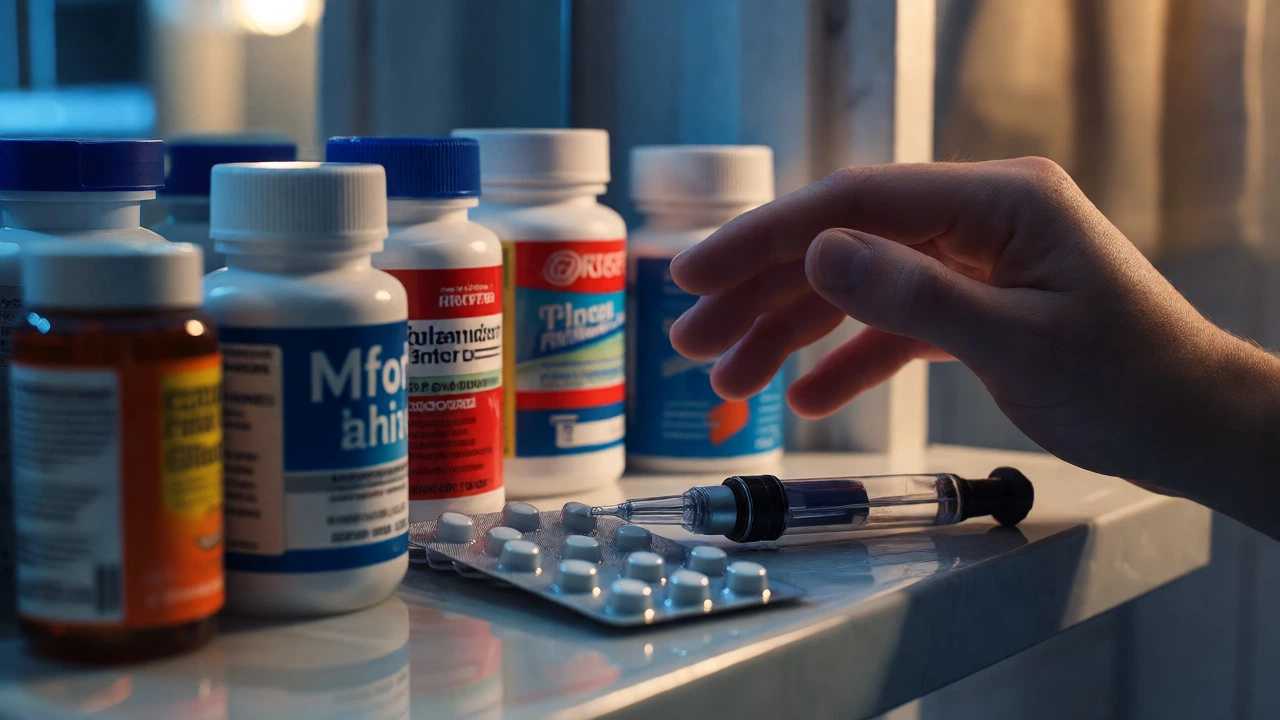
You’re managing your blood sugar. You take your Metformin and maybe an injectable or another pill. Then you catch a cold, get a headache, or have some joint pain. You grab something from the medicine cabinet without thinking. Big mistake. Certain common medications can mess with your glucose levels, cause dangerous drops in blood sugar, or even damage your kidneys if you already have diabetes complications. It’s not just about what you eat; it’s about what you swallow alongside your diabetes treatment.
Living with diabetes means being hyper-aware of drug interactions. Your body processes medicines differently when insulin resistance is involved. Some drugs make your diabetes meds work too well, leading to hypoglycemia (dangerously low blood sugar). Others make them less effective, causing spikes. And some simply add stress to organs that are already under pressure, like the kidneys and heart.
Why Drug Interactions Matter for Diabetics
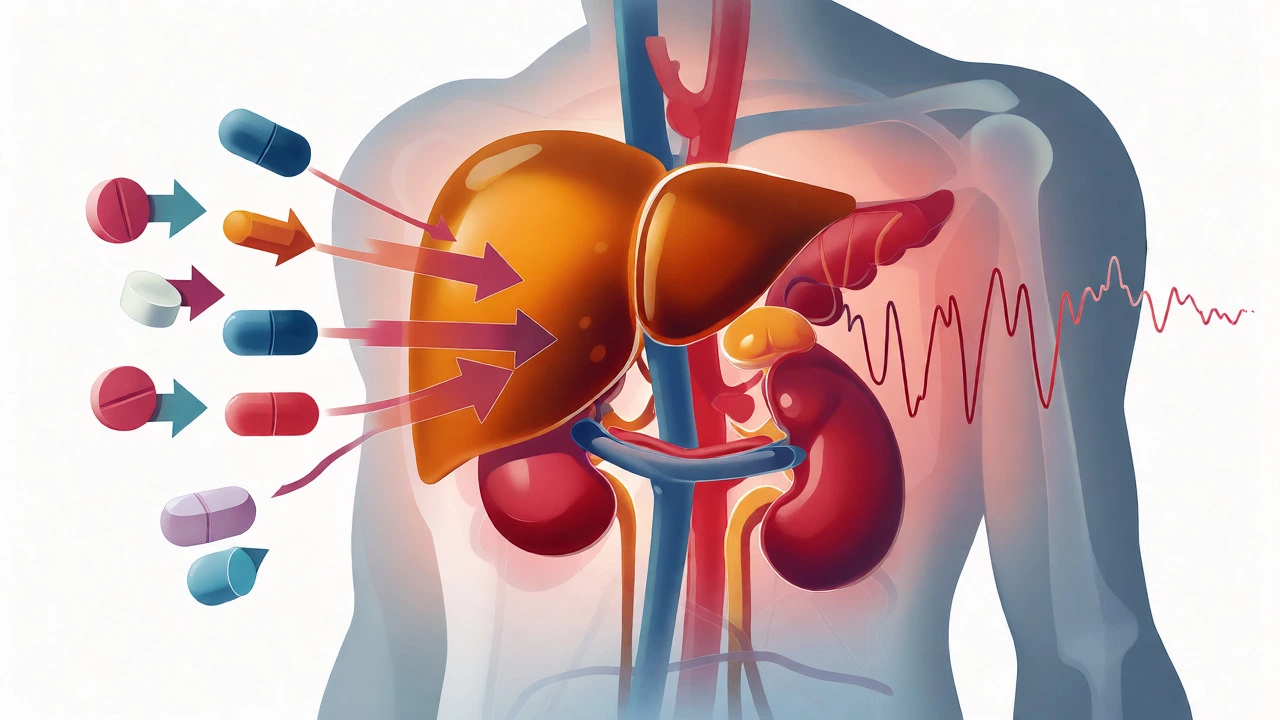
Your liver and kidneys do heavy lifting when processing medications. In diabetes, these organs often face extra strain. High blood sugar over time can reduce kidney function (a condition called diabetic nephropathy). If you add a drug that is also hard on the kidneys, you risk accelerating damage. Similarly, if a drug interferes with how your liver breaks down your diabetes medication, the levels in your blood can swing wildly.
Think of it as a balancing act. Your doctor prescribes a specific dose of Sulfonylureas to help your pancreas release more insulin. If you take a medication that blocks the enzyme responsible for clearing Sulfonylureas from your body, that insulin release goes into overdrive. Result? A sudden drop in blood sugar that leaves you shaky, confused, or worse.
The Usual Suspects: Common Drugs That Clash
It’s rarely the exotic prescriptions that cause trouble. It’s the everyday stuff. Here is what you need to watch out for.
Corticosteroids: The Blood Sugar Spikers
If you’ve ever taken prednisone for asthma, arthritis, or an allergic reaction, you know the feeling. Steroids raise blood sugar. They mimic cortisol, a hormone that tells your liver to dump glucose into your bloodstream. For a non-diabetic, this is temporary. For you, it can mean days or weeks of uncontrolled highs.
- Inhaled steroids: Usually safe at low doses, but high-dose inhalers can still have systemic effects.
- Oral steroids: Prednisone, methylprednisolone. These require close monitoring. Your doctor might temporarily increase your diabetes meds while you’re on them.
- Topical creams: Generally safe unless applied to large areas of broken skin.
Beta-Blockers: Hiding the Warning Signs
Many diabetics take beta-blockers for high blood pressure or heart issues. Drugs like Atenolol or Metoprolol slow your heart rate and lower blood pressure. This is good for your heart, but bad for hypoglycemia awareness.
When your blood sugar drops, your body releases adrenaline. This causes sweating, shaking, and a racing heart-your alarm system. Beta-blockers block that adrenaline response. You might not feel the shake or the pounding heart. You could pass out before you realize your sugar is crashing. Non-selective beta-blockers (like propranolol) are riskier than cardio-selective ones (like atenolol), but caution is needed with all.
NSAIDs: The Kidney Risk
Ibuprofen, naproxen, diclofenac-we call them NSAIDs (Non-Steroidal Anti-Inflammatory Drugs). They are great for headaches and back pain. But they reduce blood flow to the kidneys. Since diabetes already stresses the kidneys, adding NSAIDs can tip the balance toward acute kidney injury.
This is especially true if you are taking ACE inhibitors or ARBs for blood pressure, which are common in diabetes care. The combination of NSAIDs + ACE inhibitor + Diuretic is sometimes called the "triple whammy" for kidneys. Use acetaminophen (paracetamol) instead for mild pain, as it doesn’t carry the same kidney risk.
Specific Diabetes Meds and Their Enemies
Different classes of diabetes drugs have different vulnerabilities. Knowing yours helps you ask the right questions at the pharmacy counter.
| Diabetes Drug Class | Primary Risk Mechanism | Drugs to Watch Out For | Potential Consequence |
|---|---|---|---|
| Metformin | Kidney clearance & lactic acid buildup | Contrast dyes, certain antibiotics (Trimethoprim), excessive alcohol | Lactic acidosis (rare but serious), increased GI side effects |
| Sulfonylureas (Glimepiride, Gliclazide) | Increased insulin secretion | Fluconazole, Warfarin, Fibrates, Beta-blockers | Severe Hypoglycemia (low blood sugar) |
| SGLT2 Inhibitors (Dapagliflozin, Empagliflozin) | Glucose excretion via urine | Diuretics, Lithium | Dehydration, urinary tract infections, ketoacidosis |
| Insulin | Direct glucose lowering | Salicylates (high dose aspirin), MAOIs, Alcohol | Prolonged hypoglycemia, unpredictable swings |
Metformin and Contrast Dyes
If you need a CT scan with contrast dye, tell the radiologist you take Metformin. The dye can temporarily impair kidney function. If your kidneys slow down, Metformin builds up in your blood. This can lead to lactic acidosis, a rare but life-threatening condition where lactic acid accumulates faster than the body can remove it. Standard protocol is to stop Metformin 48 hours before and after the procedure, depending on your kidney health.
SGLT2 Inhibitors and Dehydration
These newer drugs (brand names like Farxiga or Jardiance) make you pee out excess sugar. This pulls water with it. If you are also taking diuretics (water pills) for blood pressure, you can become dehydrated quickly. Dehydration stresses the kidneys and increases the risk of genital yeast infections, which thrive in sugary urine. Drink plenty of water, and pause these meds during severe illness or vomiting episodes.

Over-the-Counter Traps
Not everything needs a prescription to cause trouble.
Alcohol: It sounds obvious, but many people forget. Alcohol inhibits the liver’s ability to release stored glucose. If you drink on an empty stomach while taking insulin or Sulfonylureas, your blood sugar can crash hours later, even while you sleep. Plus, alcohol contains carbs that spike sugar initially, then cause a delayed drop.
Niacin (Vitamin B3): Often taken for cholesterol or energy. High doses of niacin can increase insulin resistance, making your blood sugar harder to control. Stick to dietary sources or low-dose supplements unless your doctor approves higher amounts.
St. John’s Wort: A popular herbal remedy for mood. It speeds up the metabolism of many drugs, including some oral diabetes meds, making them less effective. Always check with your pharmacist before starting any herbal supplement.
How to Protect Yourself
You don’t need to memorize every interaction. Just follow these rules.
- Keep one pharmacy: Let their computer system flag interactions between all your meds.
- Read labels: Look for warnings about "blood sugar" or "hypoglycemia."
- Monitor closely: When starting a new drug, check your glucose more frequently for the first week.
- Ask specifically: Don’t just say "I have diabetes." Say, "I take Metformin and Glimepiride. Is this safe?"
Being proactive saves you from ER visits. A simple conversation with your pharmacist takes two minutes and can prevent a major health scare.
Can I take ibuprofen if I have diabetes?
Occasional use is usually fine for most people, but regular use can harm kidneys, especially if you have existing kidney disease or take ACE inhibitors. Acetaminophen (Paracetamol) is generally a safer choice for long-term pain management in diabetics.
Do steroids always raise blood sugar?
Yes, corticosteroids like prednisone typically raise blood sugar by increasing glucose production in the liver and reducing insulin sensitivity. The effect depends on the dose and duration. Short courses may cause temporary spikes, while long-term use requires adjusting diabetes medications.
Why do beta-blockers hide low blood sugar symptoms?
Beta-blockers block the adrenaline response that causes typical hypoglycemia symptoms like trembling and rapid heartbeat. You might only experience sweating, which isn't blocked by beta-blockers. This makes it harder to recognize when your blood sugar is dropping dangerously low.
Is it safe to drink alcohol with Metformin?
Moderate consumption is usually okay, but binge drinking or drinking on an empty stomach is risky. Alcohol increases the risk of lactic acidosis with Metformin and can cause delayed hypoglycemia. Limit intake and always eat when drinking.
What should I do before a CT scan with contrast?
Inform the medical staff that you take Metformin. Depending on your kidney function tests, they may ask you to stop taking Metformin for 48 hours before and after the scan to prevent lactic acidosis caused by potential kidney stress from the dye.