Hyperglycemia Symptom Checker
Instructions: Select the symptoms you are currently experiencing to see a potential analysis and guidance. Note: This tool is for educational purposes and is not a medical diagnosis.
Select your symptoms:
Analysis
⚠️ EMERGENCY WARNING
The "Three Polys": The Most Common Warning Signs
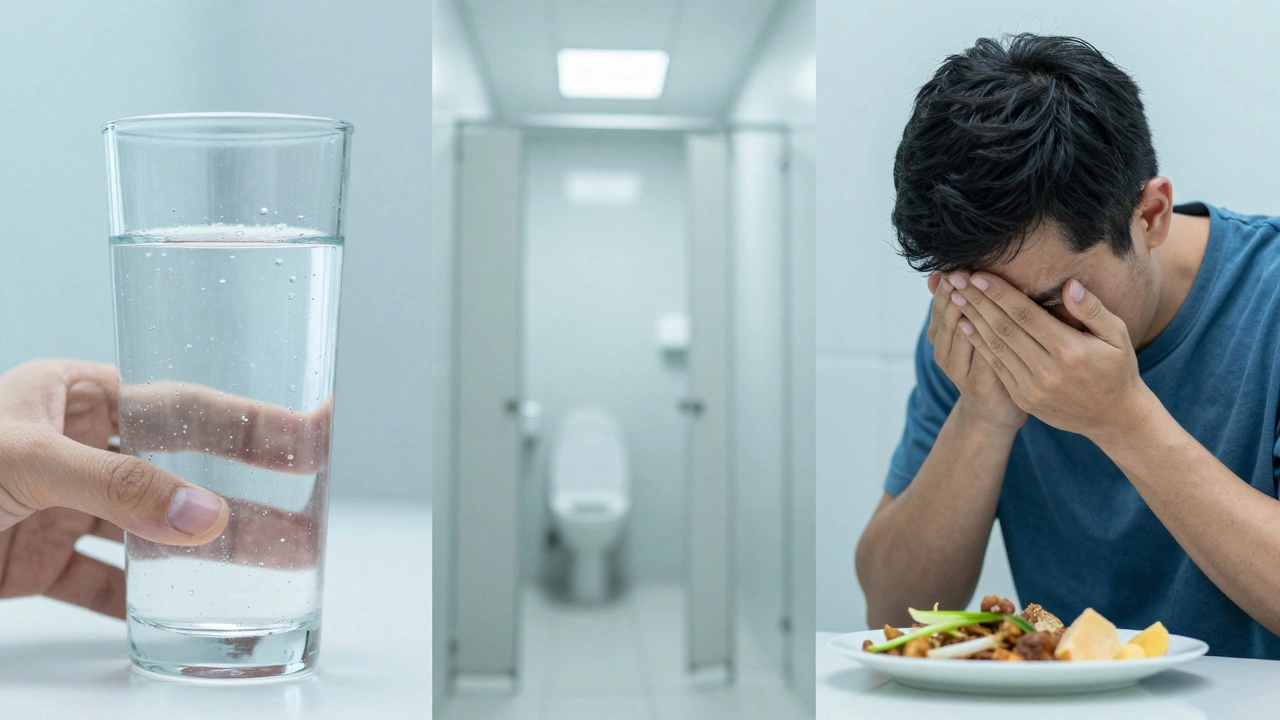
If you're trying to figure out if your levels are too high, look for the "Three Polys." These are the most frequent symptoms that appear when your kidneys can no longer keep up with the amount of sugar in your blood.- Polyuria (Excessive Urination): Your kidneys act as a filter. When blood sugar levels climb, the kidneys can't reabsorb all the glucose. This sugar pulls water along with it into the urine, forcing you to go much more often. If you're suddenly waking up multiple times a night to use the restroom, your body is likely trying to flush out excess sugar.
- Polydipsia (Excessive Thirst): Because you're urinating so much, you become dehydrated. This triggers a powerful thirst mechanism. You might find yourself drinking liters of water, yet your mouth still feels dry and sticky.
- Polyphagia (Excessive Hunger): This is the great paradox of high blood sugar. Your blood is full of energy (glucose), but because of a lack of insulin, that energy can't get inside your cells. Your muscles and organs are essentially starving in a sea of plenty, which sends a signal to your brain that you need to eat more, even if you just finished a meal.
Blurred Vision and the Fluid Shift
Have you ever noticed that your vision gets a bit fuzzy or "out of focus" after a heavy, carb-loaded meal? This isn't just eye strain. When your blood sugar is high, it changes the osmotic balance of fluids in your body. This includes the fluid inside the lenses of your eyes.The high concentration of glucose causes the lenses to swell, which changes the shape of the eye and makes it harder to focus. It's a temporary shift, but it's a clear signal that your high blood sugar signs are manifesting. If this happens frequently, it can lead to long-term damage to the small blood vessels in the retina, a condition known as diabetic retinopathy.
Unexplained Fatigue and Mental Fog
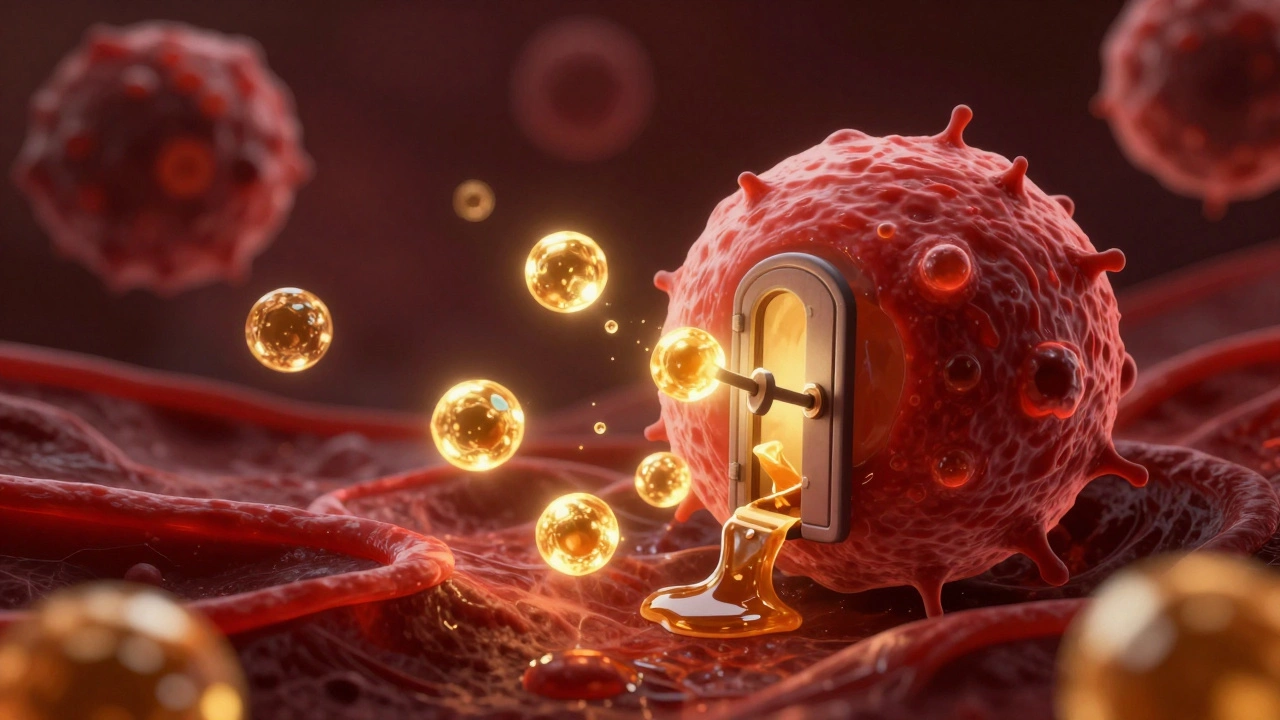
Many people mistake chronic tiredness for aging or stress, but if you're dealing with high blood sugar, your fatigue is biological. Insulin acts like a key that unlocks your cells to let glucose in for energy. Without that key working correctly, your cells are deprived of fuel.You might feel a heavy lethargy that doesn't go away with a nap. Some describe it as a "brain fog" where it takes longer to recall simple words or complete a task at work. This happens because the brain relies heavily on a steady supply of glucose, and the instability caused by spikes and crashes leaves your cognitive functions lagging.
| Symptom | Hyperglycemia (High) | Hypoglycemia (Low) |
|---|---|---|
| Thirst | Extreme / Dry Mouth | Usually Normal |
| Urination | Frequent | Normal | Hunger | Increased (Polyphagia) | Sudden / Intense Craving |
| Skin | Dry / Slow-healing wounds | Clammy / Sweaty |
| Breath | Fruity smell (Ketoacidosis) | Normal |
Slow Healing and Recurrent Infections
High blood sugar doesn't just affect how you feel; it affects how your body repairs itself. When glucose levels are chronically elevated, it damages the lining of your blood vessels and impairs the function of white blood cells, which are your body's primary defense against germs.You might notice that a small scratch on your finger takes two weeks to heal instead of three days. Or perhaps you're dealing with frequent yeast infections or urinary tract infections (UTIs). Bacteria and fungus thrive on sugar; when your tissues are saturated with glucose, you're essentially providing a buffet for these pathogens, making it much easier for infections to take hold and harder for your immune system to kick them out.
The Danger Zone: Diabetic Ketoacidosis (DKA)
While the signs mentioned above develop over days or weeks, some high blood sugar situations become emergencies very quickly. If your body completely runs out of insulin, it starts burning fat for fuel. This process produces acids called Ketones.When ketones build up in the blood, it leads to Diabetic Ketoacidosis (DKA), a life-threatening condition. The most striking sign of DKA is "fruity-smelling breath," caused by the excretion of acetone through the lungs. If this is accompanied by nausea, vomiting, or deep, rapid breathing (Kussmaul breathing), it requires immediate emergency medical attention.
Managing Your Numbers
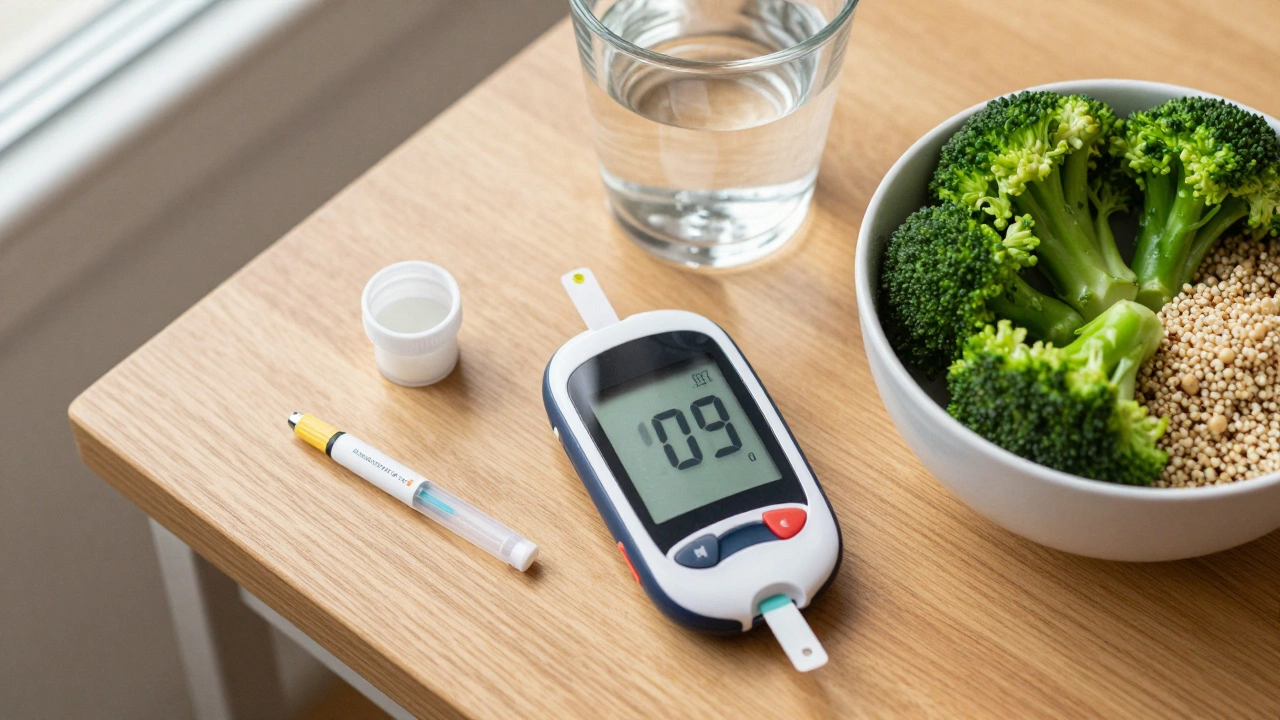
Spotting the signs is the first step, but the only way to be sure is through measurement. Using a Glucometer allows you to see exactly where you stand. If you consistently see numbers above your target range, it's time to look at the variables.Are you skipping meals? Are you under extreme stress? Cortisol, the stress hormone, tells the liver to release more glucose into the blood, which can spike your levels even if you haven't eaten. Managing these spikes often requires a combination of Metformin or other glucose-lowering medications, a diet rich in fiber and lean proteins, and consistent physical activity to help your muscles soak up that excess sugar.
How high does blood sugar have to be before I feel symptoms?
It varies. Some people notice symptoms once they hit 180 mg/dL, while others with long-term diabetes develop a tolerance and may not feel anything until they are well over 300 mg/dL. This is why regular testing is more reliable than relying on how you feel.
Why does high blood sugar make me feel tired?
Energy is produced when glucose enters your cells. When blood sugar is too high, it's usually because insulin isn't working or is missing. Since the glucose stays in the blood instead of entering the cells, your body lacks the fuel it needs to produce energy, leaving you exhausted.
Can drinking water lower high blood sugar?
Water doesn't lower blood sugar directly by removing it, but it helps the kidneys flush out excess glucose through urine. Staying hydrated also prevents the dehydration that makes hyperglycemia feel worse.
What is the difference between Type 1 and Type 2 high blood sugar?
The symptoms are the same, but the cause differs. In Type 1, the pancreas produces little to no insulin. In Type 2, the body becomes resistant to insulin. Type 1 patients are at a much higher risk for DKA (ketoacidosis), whereas Type 2 patients are more prone to HHNS (Hyperosmolar Hyperglycemic Nonketotic Syndrome).
When should I call a doctor about high blood sugar?
Call your doctor if your blood sugar remains consistently above your target range for several days. Seek emergency care immediately if you experience vomiting, confusion, shortness of breath, or a fruity scent on your breath, as these are signs of DKA.