Heart Surgery Recovery Timeline Calculator
Your Recovery Timeline
Recovery Milestones
Heart surgery isn’t the end of your story - it’s the start of a new chapter. People often ask, how is life after heart surgery? The answer isn’t one-size-fits-all, but it’s rarely the nightmare people fear. Most patients go on to live full, active lives. But the road back isn’t straight. It’s bumpy, slow, and sometimes frustrating. And that’s normal.
First 6 weeks: The quiet rebuild
The first six weeks after heart surgery are about survival, not speed. Your body is healing a major cut - whether it’s a sternotomy, a smaller incision, or robotic ports. The breastbone, if cut, takes about 8 to 12 weeks to fuse back together. Until then, you can’t lift more than 5 pounds. No pushing lawnmowers, no carrying groceries, no reaching high shelves. Even hugging too hard can hurt. You’ll feel tired. Not just sleepy - bone-deep exhaustion. That’s not laziness. It’s your heart and lungs relearning how to work with a new rhythm. Sleep isn’t restful. You wake up gasping, your chest tight. That’s common. Doctors call it post-op pulmonary edema. It fades with time.
Most people go home after 5 to 7 days. But going home doesn’t mean you’re done healing. You’ll need help. Simple tasks like showering, buttoning shirts, or tying shoes become challenges. That’s why many patients hire a home health aide for the first two weeks. Insurance often covers it. Don’t wait until you’re drowning in laundry to ask.
Weeks 6 to 12: Slow progress, big wins
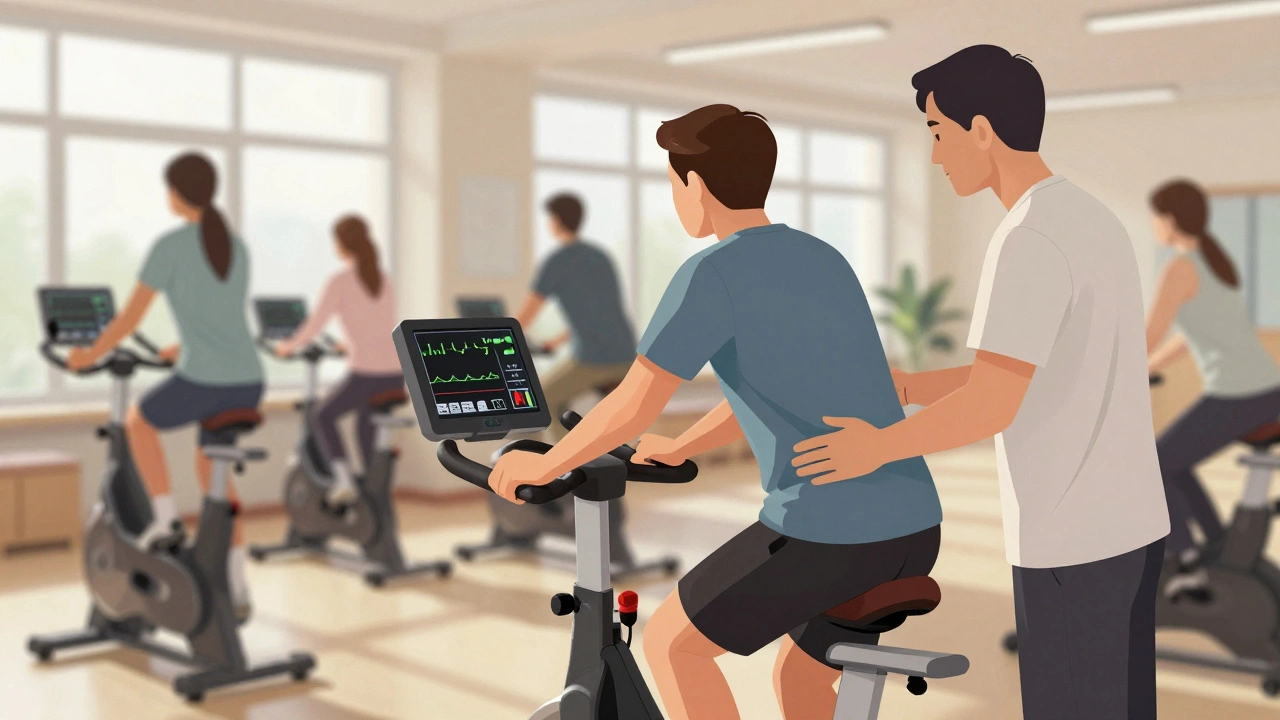
At six weeks, you’ll likely have your first follow-up with your cardiac rehab team. This is where things start to shift. You’ll begin light walking - 10 minutes, twice a day. Then 15. Then 20. You’ll track your heart rate. Your oxygen levels. Your breathing. Cardiac rehab isn’t a gym. It’s a guided reset. Trained therapists monitor you as you pedal a stationary bike at 10% effort. They watch for dizziness, chest pressure, or an irregular pulse. Most patients do 3 sessions a week for 12 weeks. And here’s the truth: those who stick with it cut their risk of another heart event by nearly 40%.
By week 12, many people return to part-time work. Not full-time. Not desk jobs with stress. But something light - answering emails, supervising a small team, teaching a class. You’ll still need naps. You’ll still get winded climbing stairs. But you’ll notice small victories: sleeping through the night, walking to the mailbox without stopping, cooking a meal without needing to sit down afterward.
3 to 6 months: Rebuilding identity
By the third month, you’re no longer just a patient. You’re a person trying to remember who they were before the surgery. That’s harder than it sounds. Some people lose their drive. Others gain it. You might feel guilty for being tired. Or angry that your body doesn’t bounce back like it used to. That’s normal. A 2024 study from the Cleveland Clinic found that 68% of heart surgery patients experienced mild to moderate depression in the first six months. It wasn’t sadness - it was grief. Grief for the body they lost. Grief for the life they thought they’d have.
That’s when support groups matter. Not the online forums. The in-person ones. Sitting with others who know exactly what it feels like to wake up with a scar across your chest and wonder if you’ll ever feel whole again. You’ll hear stories: a man who started painting after his bypass. A woman who took up tai chi. A teenager who ran her first 5K two years later. These aren’t fairy tales. They’re real people. And they’re proof that life after heart surgery isn’t about going back. It’s about going forward - differently.
Long-term: The new normal
After a year, most people are back to doing what they love. But not always the same way. You might not run marathons. But you might hike with your grandkids. You might not lift weights. But you might garden every morning. You’ll need to take medications - usually aspirin, a statin, and a beta-blocker - for life. These aren’t optional. Skipping them increases your risk of another blockage by 3 times. Blood tests every 3 to 6 months are non-negotiable. So are check-ups with your cardiologist.
Some people never fully regain their old stamina. That’s okay. The goal isn’t to be who you were. It’s to be who you can be now. A 2025 study in the Journal of the American College of Cardiology tracked 1,200 patients who had bypass surgery. Ten years later, 73% were still alive and active. Half of them reported better quality of life than before surgery. Why? Because they changed. They slept more. They ate less processed food. They stopped working 70-hour weeks. They prioritized peace over pressure.
What you shouldn’t ignore
There are red flags you can’t afford to miss. If you notice:
- Swelling in your legs or belly that doesn’t go down
- Sudden shortness of breath while resting
- Chest pain that lasts more than 10 minutes
- Fever over 101°F (38.3°C)
- Confusion or memory loss
Call your doctor. Don’t wait. Don’t Google it. Don’t assume it’s just ‘recovery stuff.’ These could mean infection, fluid buildup, or a new blockage.
Also, don’t ignore your mental health. Anxiety after heart surgery is common. Panic attacks. Fear of another episode. Nightmares. These aren’t signs of weakness. They’re signs your body is still processing trauma. Therapy helps. So does talking to someone who’s been there.
What works - and what doesn’t
Some advice you’ll hear is wrong. Don’t do this:
- Don’t push yourself too hard too soon. Rushing leads to setbacks.
- Don’t rely on supplements to ‘heal’ your heart. No pill replaces exercise, sleep, and clean food.
- Don’t compare your recovery to someone else’s. Your surgery, your body, your timeline.
Do this instead:
- Walk daily - even if it’s just around the house.
- Eat vegetables, lean protein, and whole grains. Cut sugar, salt, and fried food.
- Sleep 7 to 8 hours. Use pillows to prop your chest if lying flat hurts.
- Connect with people. Loneliness raises your risk of complications.
- Keep a journal. Write down how you feel each day. It helps you see progress.
Can you live a normal life?
Yes. But ‘normal’ changes. You won’t be the same person. And that’s not a failure. It’s evolution. One man I spoke to had a triple bypass at 58. He used to work 12-hour days. Now, he wakes up at 6 a.m., drinks tea on his porch, and watches the sunrise. He says it’s the best part of his day. He’s happier. Healthier. More present. He didn’t get his old life back. He built a better one.
How long does it take to recover from heart surgery?
Full recovery takes 3 to 6 months for most people, but bone healing can take up to 12 weeks. Returning to light work often happens around 8 to 12 weeks. Full energy levels may take a year. Everyone heals differently, so avoid comparing your timeline to others.
Can I drive after heart surgery?
Most doctors say no driving for 4 to 6 weeks. This is because sudden movements - like braking or turning - can strain your healing sternum. Always check with your surgeon. Some states require a doctor’s note before you can legally drive again after cardiac surgery.
Will I need to take medication forever?
Yes, for most people. Medications like aspirin, statins, and beta-blockers help prevent future blockages and reduce strain on your heart. Stopping them without medical advice increases your risk of another heart event. Your doctor will adjust doses over time, but rarely stops them completely.
Can I have sex after heart surgery?
Most patients can resume sexual activity after 4 to 6 weeks, once the incision has healed and they can climb two flights of stairs without discomfort. It’s usually safe and beneficial. Talk to your doctor if you have concerns about your heart rate or chest pain during intimacy.
What’s the biggest mistake people make after heart surgery?
Trying to return to their old life too fast. Many patients ignore their limits, overexert themselves, or skip rehab because they feel ‘fine.’ But the heart needs time to adapt. Pushing too hard leads to setbacks, hospital visits, or even another procedure. Patience isn’t passive - it’s the most powerful tool in recovery.
What comes next?
If you’re recovering, keep going. Even on the days you feel broken. You’re not alone. Thousands of people have walked this path. Some of them are sitting in cardiac rehab right now. Others are walking dogs, gardening, or reading to grandchildren. They didn’t get their old lives back. But they built new ones - quieter, slower, deeper. And they’re living them well.