Highly Treatable Cancer Explorer
Thyroid Cancer
The Quiet Success Story
~99% SurvivalTesticular Cancer
High Cure Rate
~95% SurvivalSkin Cancer
Basal & Squamous Cell
~100% SurvivalCervical Cancer
Preventable & Treatable
~92% SurvivalProstate Cancer
Slow Growth
~100% SurvivalSelect a cancer type above to view details.
Title
Description goes here.
Key Symptoms / Signs
- Symptom 1
Common Treatments
- Treatment 1
Why is it considered "Easy"?
Reasoning text.
5-Year Survival Rate
(Localized Cases)
Primary Risk Factor
Risk factor info.
The Truth About "Easiest" Cancers
When people ask what is the easiest cancer to fight, they are usually looking for hope. They want to know if there is a type of cancer that doesn't require harsh chemotherapy, radiation, or surgery. The short answer is yes, but with a major catch: timing. Some cancers are highly curable if caught early, while others are aggressive regardless of when they appear. Understanding which cancers fall into the "highly treatable" category can change how you approach screening and health monitoring.
We need to redefine what "easy" means in oncology. It rarely means "no treatment." Instead, it means high cure rates, minimal side effects, and a return to normal life quickly. For many patients, this includes cancers like thyroid, testicular, and certain skin cancers. These conditions often respond well to targeted therapies or simple surgical removal. Let's look at the specific types that doctors consider the most manageable.
Thyroid Cancer: The Quiet Success Story
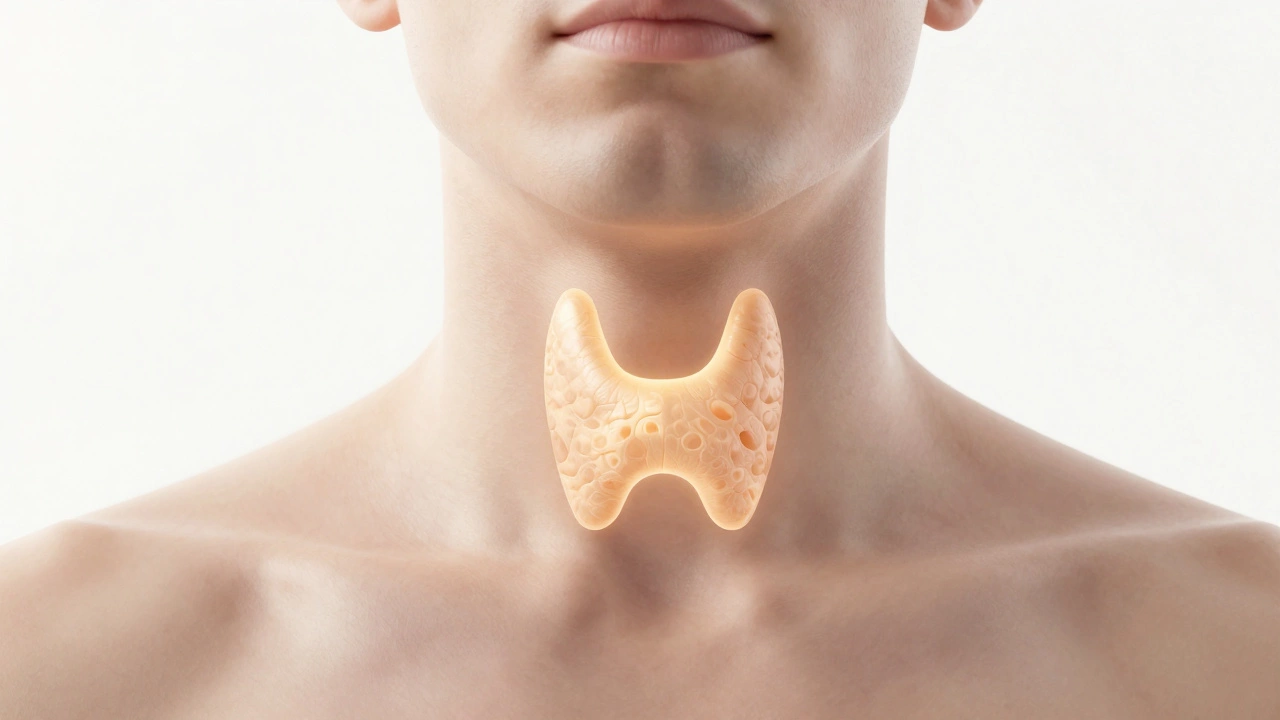
Thyroid cancer is a condition where abnormal cells grow in the thyroid gland, located at the base of your neck. This is widely regarded as one of the easiest cancers to fight. Why? Because it grows slowly and responds exceptionally well to treatment. The five-year survival rate for thyroid cancer is nearly 99% for localized cases. That number is staggering compared to other malignancies.
Most thyroid cancers are papillary or follicular types. These do not spread quickly. In many cases, the only treatment needed is a thyroidectomy, which is the surgical removal of the thyroid gland. After surgery, you take a daily hormone pill to replace what the gland used to make. You don't necessarily need chemotherapy or radiation. Many people live full, healthy lives after this diagnosis without ever feeling "sick" from the treatment itself.
The key here is detection. Thyroid nodules are common. Most are benign. But if a biopsy shows cancer, the outlook is excellent. Regular check-ups and being aware of lumps in the neck can make all the difference. If you have a family history of thyroid issues, talk to your doctor about ultrasound screenings.
Testicular Cancer: A High Cure Rate
Testicular cancer is a malignant growth in the testicles, primarily affecting young men between ages 15 and 35. This cancer might sound scary, but it is one of the most curable forms of cancer in modern medicine. The overall five-year survival rate is over 95%. Even if it spreads to other parts of the body, treatments like cisplatin-based chemotherapy are incredibly effective.
Why is it so treatable? Testicular tissue is very sensitive to chemotherapy drugs. Unlike some other cancers that develop resistance, testicular cancer cells often die off quickly when exposed to these agents. Surgery to remove the affected testicle (orchiectomy) is usually the first step. In many cases, that's enough. If more treatment is needed, the protocols are well-established and successful.
The downside is awareness. Many men ignore lumps or pain in the scrotum because they are embarrassed or think it's nothing serious. Self-exams are crucial. Once a month, check for any hard lumps, swelling, or changes in texture. Early detection keeps this cancer in the "easy to fight" category. Waiting until symptoms become severe makes treatment harder and longer.

Skin Cancer: Basal and Squamous Cell Carcinoma
Skin cancer is the most common cancer worldwide, but two types-Basal cell carcinoma and BCC and Squamous cell carcinoma and SCC-are among the easiest to treat. These non-melanoma skin cancers stay on the surface of the skin. They rarely spread to internal organs if caught early. The five-year survival rate for localized BCC and SCC is close to 100%.
Treatment is often minor. A dermatologist might shave off the lesion, freeze it with liquid nitrogen, or use a topical cream. Mohs surgery, a precise technique that removes cancer layer by layer, ensures almost no healthy tissue is lost. Recovery is fast. You might have a small scar, but you avoid weeks of hospital stays. Melanoma, however, is different. It is aggressive and dangerous. Always get new moles checked immediately.
Prevention is the best strategy here. Daily sunscreen use, wearing hats, and avoiding peak sun hours reduce risk significantly. If you have fair skin or a history of sunburns, annual skin checks are non-negotiable. Catching these cancers early turns a potential health crisis into a minor medical procedure.
Cervical Cancer: Preventable and Treatable
Cervical cancer is a disease affecting the cervix, often caused by persistent HPV infection. Thanks to widespread vaccination and regular Pap smears, cervical cancer has become highly preventable and treatable. When detected at an early stage, the five-year survival rate exceeds 90%. The human papillomavirus (HPV) vaccine, introduced in the early 2000s, has drastically reduced new cases in vaccinated populations.
Screening plays a huge role. Pap tests can detect precancerous changes before they turn into invasive cancer. Treating these precancerous lesions is simple and often done in one office visit. If cancer does develop, surgery or radiation can be curative. The key is consistency. Skipping regular screenings allows the disease to progress silently. Women who follow recommended screening guidelines have a very low risk of dying from this cancer.
In many developed countries, cervical cancer deaths are declining rapidly. This is a success story of public health intervention. Vaccination for both boys and girls, combined with routine gynecological exams, creates a strong defense against this disease.
Prostate Cancer: Slow Growth Allows Monitoring
Prostate cancer is a slow-growing malignancy in the prostate gland, common in older men. Not all prostate cancers need immediate treatment. Many grow so slowly that they never cause harm during a man's lifetime. This leads to a strategy called active surveillance. Doctors monitor the cancer with regular blood tests (PSA levels) and biopsies. Treatment is only started if the cancer shows signs of growing.
This approach avoids unnecessary side effects like incontinence or erectile dysfunction, which can occur with surgery or radiation. When treatment is needed, options include robotic-assisted surgery, radiation therapy, or hormone therapy. All have high success rates for localized disease. The five-year survival rate for localized prostate cancer is nearly 100%.
The challenge is overdiagnosis. Screening can find tiny, harmless tumors that would never have caused problems. Discussing risks and benefits with a urologist is essential. Age, family history, and overall health determine whether screening is right for you. For those diagnosed, the prognosis is generally very good.
| Cancer Type | Primary Cause/Risk Factor | Common Treatment | 5-Year Survival Rate (Localized) |
|---|---|---|---|
| Thyroid Cancer | Genetics, Radiation exposure | Surgery, Hormone therapy | ~99% |
| Testicular Cancer | Cryptorchidism, Genetics | Surgery, Chemotherapy | ~99% |
| Basal Cell Carcinoma | UV Sun Exposure | Excision, Cryotherapy | ~100% |
| Cervical Cancer | HPV Infection | Surgery, Radiation | ~92% |
| Prostate Cancer | Age, Family History | Active Surveillance, Surgery | ~100% |

Why Early Detection Changes Everything
The common thread among all these "easy to fight" cancers is early detection. A cancer that is easy to treat when small can become deadly when it spreads. Staging matters more than type. Stage I cancers are often cured with local treatment. Stage IV cancers, even of highly treatable types, are much harder to manage.
Screening tests save lives. Mammograms for breast cancer, colonoscopies for colorectal cancer, and low-dose CT scans for lung cancer in smokers all find diseases before symptoms appear. Don't wait for pain or weight loss. Those are late signs. Listen to your body, but also trust the data. Follow recommended screening schedules based on your age and risk factors.
Lifestyle choices also play a role. Avoiding tobacco, limiting alcohol, maintaining a healthy weight, and eating a balanced diet reduce cancer risk across the board. While genetics matter, behavior controls a significant portion of your cancer risk profile.
Mental Health and Support During Treatment
Even "easy" cancers cause anxiety. A cancer diagnosis is a shock. Fear of recurrence, worry about costs, and stress about missing work are real challenges. Mental health support is part of comprehensive cancer care. Talk to counselors, join support groups, or lean on family and friends.
Many hospitals offer social workers who help navigate insurance and logistics. Financial toxicity is a real issue. Knowing your coverage and asking for financial assistance programs can ease the burden. You don't have to face this alone. Community resources exist to help you through every step.
Next Steps for Prevention and Screening
If you're worried about cancer, start with prevention. Quit smoking if you smoke. Wear sunscreen daily. Eat plenty of fruits and vegetables. Exercise regularly. These habits lower your risk for many cancers, not just the "easy" ones.
Know your family history. If multiple relatives had cancer at young ages, ask your doctor about genetic testing. BRCA mutations, for example, increase breast and ovarian cancer risk. Knowing this allows for earlier, more frequent screening or preventive surgeries.
Finally, keep up with your appointments. Don't skip check-ups because you feel fine. Prevention and early detection are the ultimate tools in the fight against cancer. They turn a potential tragedy into a manageable health event.
Is thyroid cancer really that easy to treat?
Yes, for most people. Papillary and follicular thyroid cancers have extremely high survival rates. Treatment often involves just surgery and daily hormone pills. Aggressive types like anaplastic thyroid cancer are rare but harder to treat.
Can skin cancer be fatal?
Basal and squamous cell carcinomas are rarely fatal if treated early. Melanoma, however, is dangerous and can spread quickly. Any changing mole should be checked by a dermatologist immediately.
What is the most common cancer in men?
Prostate cancer is the most common non-skin cancer in men. It is often slow-growing and highly treatable, especially when detected early through PSA testing and digital rectal exams.
How does HPV vaccination prevent cervical cancer?
The HPV vaccine protects against the strains of the virus that cause most cervical cancers. Getting vaccinated before sexual activity starts provides the best protection. Regular Pap smears still remain important for women who were not vaccinated or whose immunity wanes.
Are there any cancers that are completely incurable?
While "cure" is a strong word, some advanced cancers like pancreatic cancer or glioblastoma have low survival rates. However, research is ongoing. Immunotherapies and targeted drugs are improving outcomes for previously untreatable diseases.
Should everyone get screened for cancer?
Screening recommendations depend on age, gender, and risk factors. Not every test is right for everyone. Discuss your personal risk profile with your primary care provider to create a tailored screening plan.
What lifestyle changes reduce cancer risk?
Avoiding tobacco, limiting alcohol, maintaining a healthy weight, exercising regularly, and protecting skin from UV rays are proven ways to lower cancer risk. Eating a diet rich in plants also helps.