
Biblical Mint Knowledge Quiz
Test what you've learned about this humble herb! Answer questions based on the article to see how well you understand the biblical significance of mint.
Loading question...
Quiz Complete!
You might be surprised to find that mint appears in some of the most famous passages of the New Testament. It isn't just a flavoring for your tea or a garnish on a cocktail; it holds a specific place in biblical history as a symbol of meticulous religious observance. But beyond its theological symbolism, mint was also a practical part of daily life in the ancient Near East, used for cooking, healing, and hospitality.
If you are looking for what the Bible says about mint, you will find two main threads: a sharp criticism of legalistic religion by Jesus, and references to the plant's use in everyday meals. Understanding these contexts helps clarify why this small herb matters in scripture and how its ancient uses connect to modern interest in herbal supplements.
The Controversy of Tithing Mint
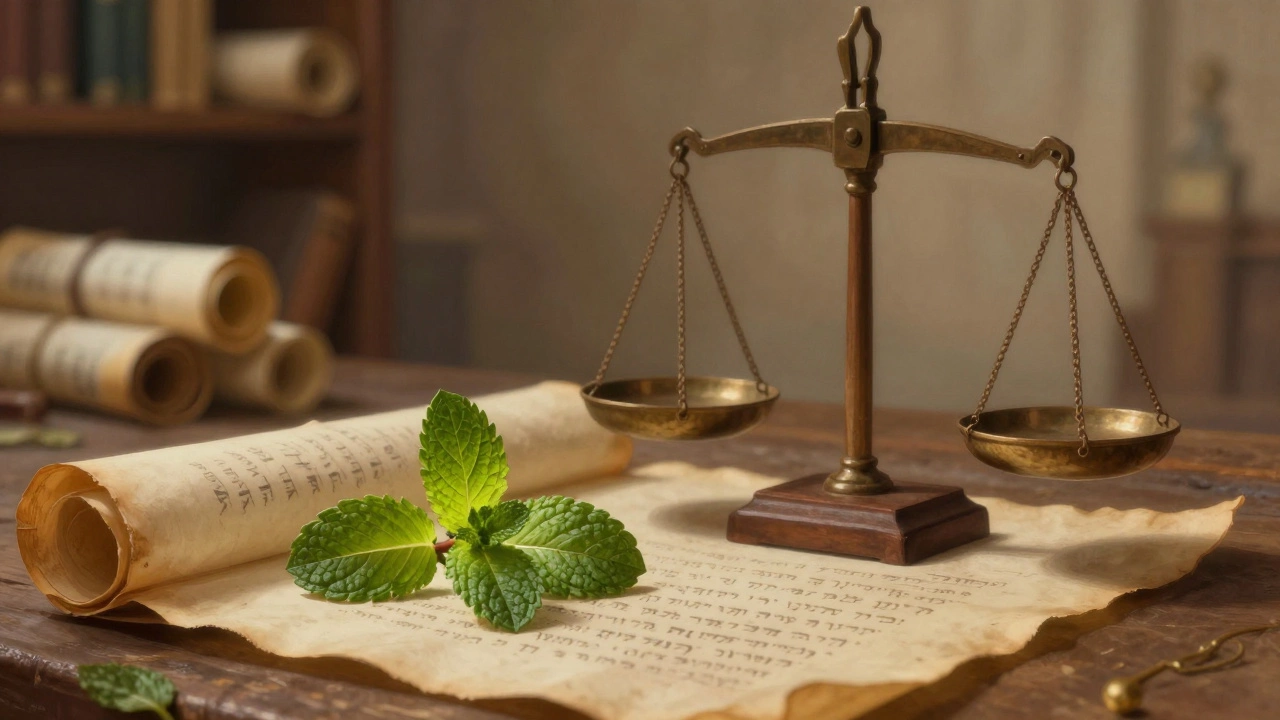
The most direct mention of mint in the Bible comes from the teachings of Jesus in the Gospels of Matthew and Luke. In these accounts, Jesus confronts the Pharisees and teachers of the law. He accuses them of tithing (giving a tenth of) their spices, including mint, dill, and cumin, while neglecting the "weightier matters of the law": justice, mercy, and faithfulness.
Mint is a fragrant herb belonging to the genus Mentha, widely used in ancient cuisine and medicine. In the context of the Sermon on the Mount, it represents minor ritual obligations.
This passage, found in Matthew 23:23 and Luke 11:42, is often misunderstood. Jesus is not saying that mint is bad or that tithing is wrong. Instead, he is highlighting a problem with priorities. The Pharisees were so focused on the tiny details of the Mosaic Law-like calculating the exact tenth of their garden harvest-that they missed the heart of God’s commandments: loving others and treating them fairly.
Think of it like someone who meticulously cleans the outside of a cup but ignores the dirt inside. The mint was valuable, and giving thanks for it was good, but it became a trap when it replaced genuine compassion. This critique remains relevant today, especially in communities that focus heavily on rules rather than relationships.
Mint in Ancient Daily Life
Beyond the theological debate, mint was a common household herb in the first century. Archaeological evidence and historical texts suggest that mint grew easily in the Mediterranean climate, particularly near water sources. It was easy to cultivate in home gardens, making it accessible to both the wealthy and the poor.
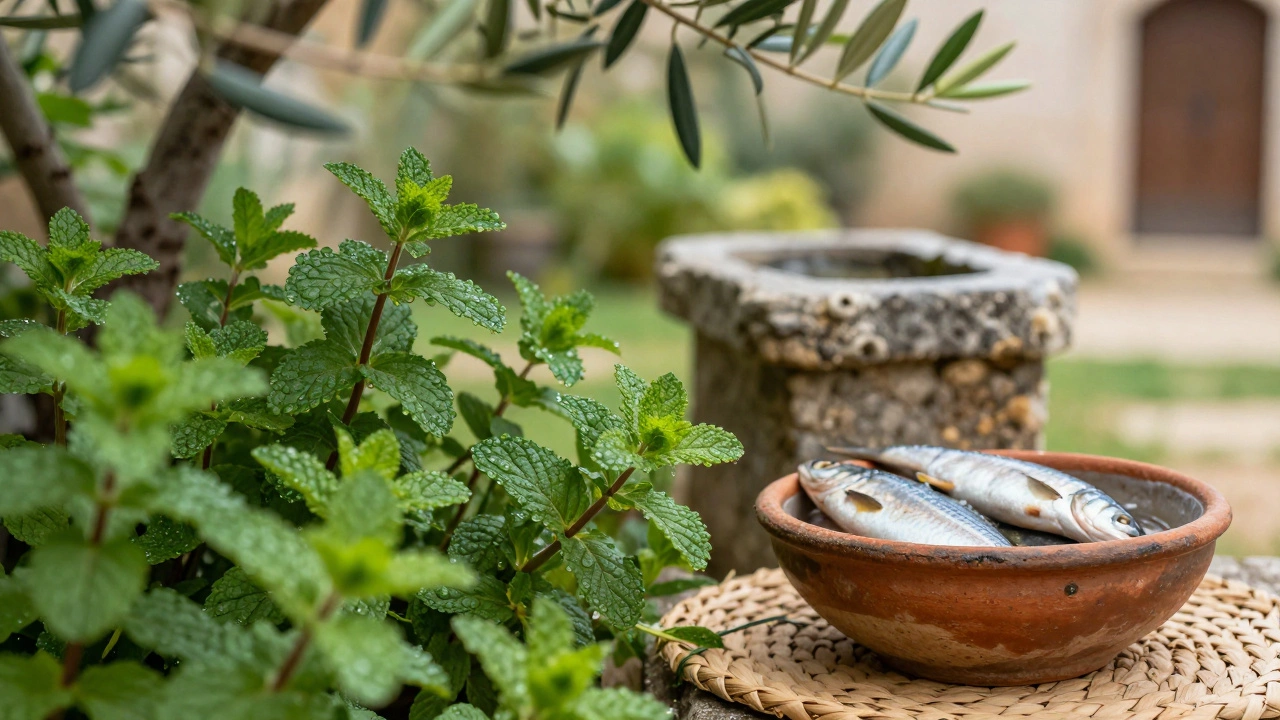
In Jewish dietary laws (Kashrut), mint was considered clean and permissible to eat. It was likely used to season fish, which was a staple food in Galilee due to its proximity to the Sea of Galilee. The strong flavor of mint helped mask the taste of older fish, a practical use that would have been appreciated in a region without refrigeration.
Hospitality also played a role. Offering fresh herbs to guests was a sign of welcome. While the Bible does not explicitly describe serving mint to guests in a narrative sense, the cultural context of the time supports this. Herbs were part of the shared meal, enhancing the experience of breaking bread together.
| Aspect | Ancient Near East (Biblical Times) | Modern Usage |
|---|---|---|
| Culinary Use | Seasoning for fish and stews; masking odors | Teas, desserts, savory dishes, cocktails |
| Religious Significance | Subject of tithe; symbol of legalism | No specific religious ritual; general gratitude |
| Medicinal Use | Digestive aid; wound treatment | IBS relief; headache reduction; oral hygiene |
| Availability | Grown in home gardens near water | Widely available in supermarkets and nurseries |
Confusion with Other Biblical Herbs
One common point of confusion is the translation of Hebrew words. Sometimes, readers wonder if "mint" in the Old Testament refers to a different plant. For example, the word "ezob" is often translated as hyssop, but some scholars argue it could refer to a type of mint or thyme. Hyssop was used in purification rituals, such as sprinkling blood during Passover (Exodus 12:22).
However, the specific word for mint in the New Testament Greek is "minion," which clearly points to the Mentha family. This distinction matters because it separates the medicinal/purification uses of hyssop from the culinary/tithing context of mint. When Jesus mentions mint, he is talking about the garden herb, not the wild shrub used for cleansing.
Another potential mix-up is with "cummin" or "cumin." These plants look somewhat similar and were often grown together. Both were subject to tithing. Understanding the difference helps clarify the agricultural practices of the time. Farmers would grow these hardy herbs in rotation, ensuring a steady supply for both market and personal use.
Herbal Medicine and Spiritual Healing
While the Bible does not prescribe mint as a cure-all, it acknowledges the value of natural remedies. In the ancient world, mint was known for its digestive properties. If you had eaten a heavy meal of roasted meat and lentils, a sprig of mint could settle your stomach. This practical knowledge was passed down through generations.
Today, many people turn to herbal supplements for health benefits. Peppermint oil, derived from the same family, is clinically proven to help with Irritable Bowel Syndrome (IBS) and headaches. While the Bible doesn't endorse specific medical treatments, it encourages stewardship of the body. Using natural gifts like mint for healing aligns with the broader biblical principle of caring for one's health.
It is important to note that biblical references to plants are descriptive, not prescriptive. They tell us what people did, not necessarily what we must do. However, the respect shown for these simple gifts of creation invites us to appreciate their benefits today.
Lessons for Modern Believers
So, what can we take away from the Bible's mention of mint? First, it reminds us to check our priorities. Are we so focused on the small rules of our faith that we miss the big picture of love and justice? Second, it shows us that God cares about the details of our daily lives, including what we eat and how we treat our bodies.
Mint serves as a humble reminder that spirituality is not separate from everyday activities. Cooking, gardening, and healing are all acts of worship when done with a grateful heart. By understanding the biblical context of mint, we gain a deeper appreciation for the rich tapestry of ancient culture and the timeless wisdom it offers.
Whether you are growing mint in your backyard or studying scripture, let it inspire a balance between diligence and compassion. After all, even the smallest herb can teach us profound lessons about life and faith.
Is mint mentioned in the Old Testament?
Mint is not explicitly named in the Old Testament using the specific Hebrew word for mint. However, related herbs like hyssop and cummin are mentioned. The clear reference to mint appears in the New Testament in the Gospels of Matthew and Luke.
Why did Jesus criticize the Pharisees for tithing mint?
Jesus criticized the Pharisees not for tithing itself, but for focusing on minor ritual details while ignoring major moral principles like justice, mercy, and faith. He wanted them to prioritize character over compliance.
What kind of mint is referred to in the Bible?
The Greek word "minion" refers to the Mentha family, likely spearmint or peppermint, which were common in the Mediterranean region. These varieties were used for cooking and medicinal purposes.
Did people in biblical times use mint for medicine?
Yes, mint was commonly used for digestive issues and as a general remedy for stomach discomfort. Its antispasmodic properties were well-known in ancient herbal medicine.
Is there a spiritual meaning associated with mint?
Symbolically, mint represents attention to detail and gratitude for small blessings. In a negative sense, it can represent legalism when outward actions replace inward sincerity. Spiritually, it encourages balance in religious practice.