Caregiver Support Scorecard
Assess your current support strategy or plan new actions based on the article's recommendations. Select areas you are currently covering or wish to improve.
Physical Relief
Managing side effects like nausea, dry mouth, and hydration issues.
Logistics
Transportation, appointments, medication management, and household chores.
Emotional Stability
Active listening, avoiding toxic positivity, and respecting boundaries.
Nutrition
High-protein snacks, easy-to-digest foods, and managing taste changes.
Social Connection
Consistent low-pressure visits, peer support groups, and combating isolation.
Financial Clarity
Organizing bills, researching insurance schemes, and reducing money stress.
Recommended Action Checklist
- Physical: Check anti-nausea meds supply; bring electrolyte drinks or soft foods (yogurt/smoothies).
- Logistics: Offer a specific ride time (e.g., "I'll pick you up Tuesday at 10 AM"); manage calendar.
- Emotional: Ask open-ended questions ("How are you feeling?"); avoid unsolicited medical advice.
- Nutrition: Bring high-calorie/protein snacks; avoid strong smells if nauseous; check WBC count before raw foods.
- Social: Send a weekly text/meme; invite to low-pressure outings with an 'exit ramp' option.
- Financial: Help organize receipts for tax/insurance; research government health schemes.
You walk into the hospital room with a basket of fruit and a card that says "Thinking of you." It’s a nice gesture, but let’s be honest: it doesn’t solve the immediate crisis. Your friend or family member is facing chemotherapy, radiation, or surgery, and their world has just tilted on its axis. They aren't just dealing with a disease; they are dealing with a logistical nightmare, an emotional rollercoaster, and a physical exhaustion that sleep won't fix.
So, what do cancer patients actually need most during treatment? It’s rarely grand gestures. It’s specific, actionable support that removes friction from their day. If you’re trying to help someone navigating oncology care in 2026, here is the breakdown of what truly matters, moving beyond the clichés.
The Immediate Physical Relief: Managing Side Effects
Before we talk about feelings, let’s talk about bodies. The side effects of modern treatments-like immunotherapy, targeted therapy, or traditional chemo-are unpredictable. One day your loved one feels fine; the next, they can’t keep water down. What they need isn’t sympathy; they need solutions.
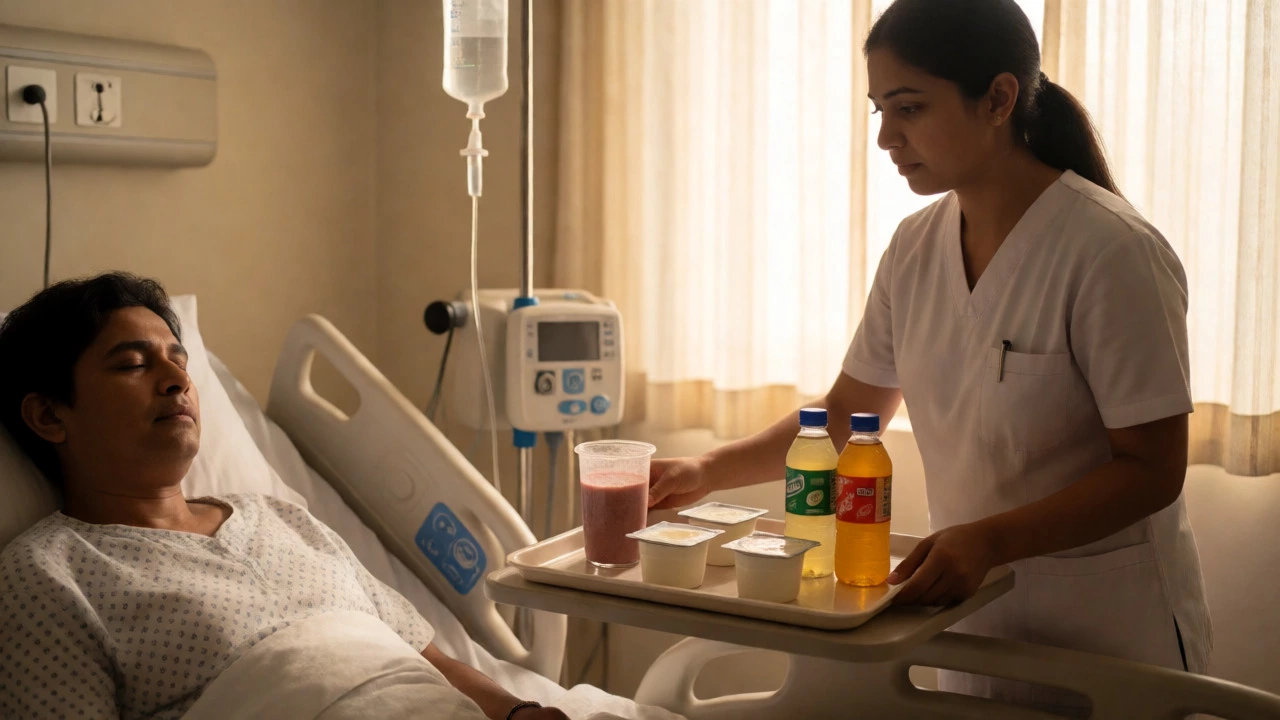
Ask them specifically: "Do you have enough anti-nausea medication?" Many patients under-report symptoms because they don’t want to bother their doctor. Offer to call the oncology nurse line if they’re too tired to speak. You become their advocate. Also, consider the mundane discomforts. Dry mouth from radiation makes eating painful. Soft foods like yogurt, smoothies, or lukewarm soups are gold. Bring them easy-to-eat options, not complex meals that require heating and cleaning up afterward.
Hydration is another critical battle. Dehydration worsens kidney stress from drugs like cisplatin. Instead of saying "drink more water," bring electrolyte drinks or flavored waters that they actually enjoy. Small, frequent sips are easier than large glasses. This tangible help reduces the physical burden, allowing them to conserve energy for healing.
Logistical Support: The Invisible Labor
Cancer treatment is a part-time job. Appointments, blood tests, scans, pharmacy runs-it consumes hours every week. For many patients, especially those in cities like Bangalore where traffic is notorious, getting to the hospital is a major hurdle. They often feel guilty asking for rides because they know you’re busy.
Offer concrete logistics. Don’t say, "Let me know if you need anything." Say, "I’m free Tuesday morning at 10 AM. I’ll pick you up for your infusion." Be specific. Create a shared calendar for appointments so they don’t have to remember dates while brain fog sets in. Brain fog, or chemobrain, affects cognitive function temporarily, making multitasking difficult. By handling the schedule, you reduce their mental load.
| Support Type | Patient Pain Point | Actionable Solution |
|---|---|---|
| Transportation | Fatigue & Traffic Stress | Pre-booked rides or dedicated driver service |
| Household Chores | Infection Risk (Neutropenia) | Hire professional cleaners; avoid bringing flowers/pets |
| Medication Management | Complex Regimens | Pill organizers + automated reminders via phone |
| Childcare/Pet Care | Guilt & Distraction | Regular, scheduled drop-offs rather than ad-hoc requests |
Emotional Stability: Presence Over Platitudes
Here is the hard truth: toxic positivity hurts. Phrases like "You’re so strong" or "Everything happens for a reason" can feel dismissive. Patients often feel pressure to perform optimism for their families’ sake. They need permission to be scared, angry, or sad.
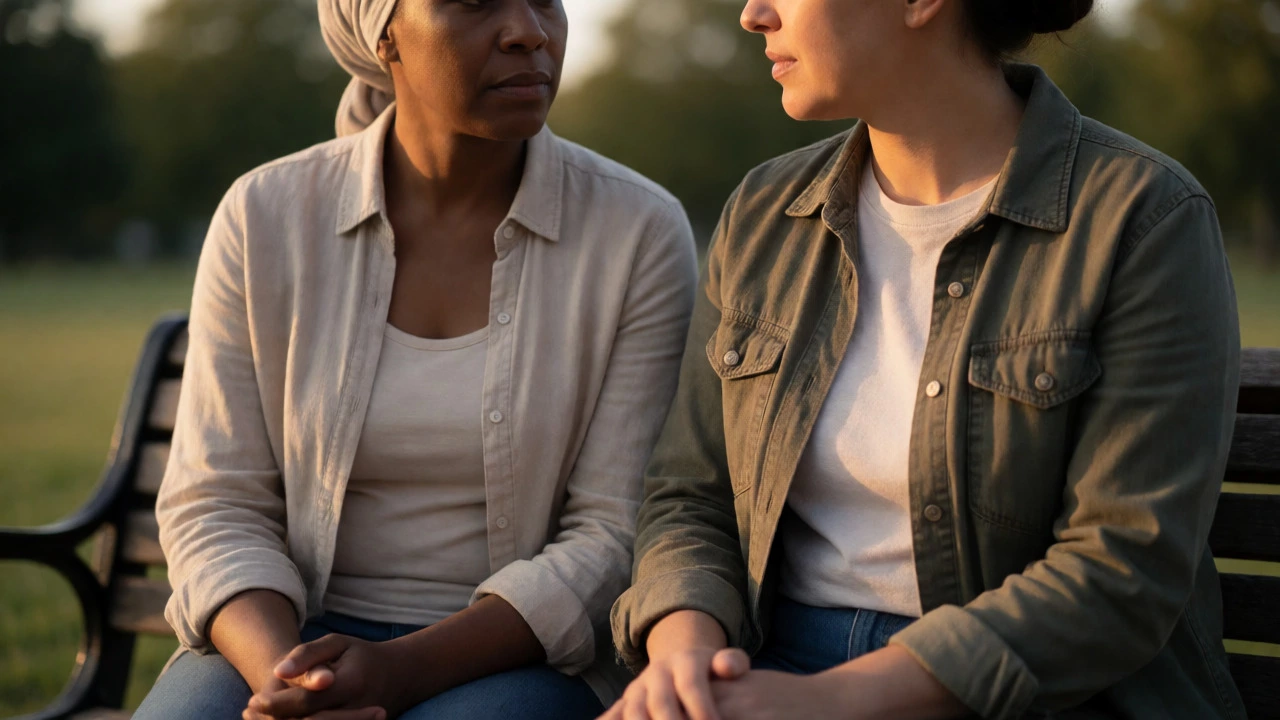
What they need most emotionally is validation. Listen without trying to fix it. If they cry, hand them a tissue. If they are silent, sit with them. Silence is okay. You don’t need to fill the air with medical advice you found on Reddit. In fact, avoid unsolicited medical opinions unless you are an oncologist. Telling a patient about a new supplement or diet trend can add anxiety when they are already overwhelmed by clinical decisions.
Instead, ask open-ended questions that give them control. "How are you feeling today?" is better than "Are you feeling better?" The latter implies they should be improving. Allow them to vent. Emotional regulation takes energy, and if they spend that energy managing your reaction to their sadness, they have less left for coping with pain.

Nutritional Strategy: Fueling the Fight
Nutrition is a minefield. Patients hear conflicting advice daily. Keto? Fasting? Organic only? During active treatment, the goal is simple: maintain weight and muscle mass. Unintended weight loss is linked to poorer outcomes in many cancers.
They need high-calorie, high-protein options that are easy to digest. Taste changes are common; meat might taste metallic. Experiment with marinades or switch to plant-based proteins like lentils, tofu, or eggs if red meat triggers nausea. Avoid raw foods if their white blood cell count is low, as infection risk increases. Wash fruits thoroughly or peel them.
Don’t force-feed them. Appetite fluctuates. Offer small, nutrient-dense snacks. Nuts, cheese sticks, or protein shakes can bridge gaps between meals. If they struggle to eat, suggest speaking to a dietitian specialized in oncology. General nutritionists may not understand the nuances of mucositis or dysgeusia (taste distortion).
Social Connection: Combating Isolation
People tend to disappear after the first month. The initial wave of casseroles fades, and the long haul begins. Loneliness becomes a significant comorbidity. Patients often isolate themselves because they look different due to hair loss, skin changes, or fatigue. They fear being a burden.
Consistency beats intensity. Text them once a week. Just a meme, a funny story, or a photo of your dog. It reminds them they exist outside of their diagnosis. Invite them out, but make it low-pressure. "We’re going for a quiet coffee at 4 PM. No pressure to come, but we’d love to see you." This gives them an exit ramp if they’re having a bad day.
Also, connect them with peers. Support groups, whether online or local, provide a unique understanding that friends and family cannot offer. Hearing from someone who survived stage III breast cancer or managed prostate cancer side effects provides hope rooted in reality, not fantasy.
Financial Clarity: Reducing Anxiety
In India, out-of-pocket expenses for cancer care remain high despite insurance coverage. Co-pays, non-covered drugs, travel costs, and lost income create massive stress. Financial toxicity is a real medical term now because money worries directly impact health outcomes.
Help them organize bills. Keep a folder of receipts for tax deductions or insurance claims. Research government schemes like Ayushman Bharat or state-specific funds if applicable. Sometimes, simply helping them navigate the paperwork saves them hours of frustration. Ask if there are specific medications causing financial strain; sometimes generic alternatives exist that doctors haven’t suggested yet.
Practical Checklist for Caregivers
If you want to be useful, skip the vague offers. Use this checklist to guide your interactions:
- Ask before giving: "Would you like company or space right now?" Respect the answer immediately.
- Handle the mundane: Pick up prescriptions, drop off groceries, walk their dog.
- Monitor hygiene: Ensure their environment is clean but not sterile to the point of isolation. Hand sanitizer stations are helpful.
- Respect boundaries: Don’t share their medical details on social media without explicit permission.
- Check in on yourself: Caregiver burnout is real. If you’re exhausted, you can’t help effectively.
Remember, cancer treatment is a marathon, not a sprint. The needs shift. Early on, it’s logistics and nausea. Later, it’s emotional processing and reintegration into normal life. Adaptability is key. Watch for cues. Are they sleeping more? Give them rest. Are they talking a lot? Let them talk. The best support is responsive, not prescriptive.
Ultimately, what cancer patients need most is dignity. They want to be seen as people, not cases. They want to laugh, argue, watch TV, and complain about the weather. Treat them like the person they were before the diagnosis, because that person is still there, fighting underneath the fatigue.
Should I bring food to a cancer patient?
Yes, but choose carefully. Opt for soft, bland, high-protein foods that are easy to digest. Avoid strong-smelling dishes if they have nausea. Always ask about dietary restrictions first, as some treatments require avoiding raw foods or specific ingredients.
How often should I visit a patient in chemotherapy?
It depends on their energy levels and immune status. Generally, short visits (30-45 minutes) are better than long ones. Check their neutrophil count if possible; if it's low, they are at higher risk of infection, so wear a mask and wash hands frequently. Always ask if they prefer company or solitude on a given day.
What should I not say to a cancer patient?
Avoid phrases like "You're so brave," "Stay positive," or "Have you tried turmeric?" These can feel burdensome or dismissive. Also, avoid sharing horror stories about other patients' outcomes, as this increases anxiety. Stick to listening and offering practical help.
How can I help with household chores?
Focus on tasks that reduce exposure to germs and save energy. Cleaning bathrooms, doing laundry, and grocery shopping are high-value tasks. Hire professional cleaners if possible to ensure thorough disinfection, which is crucial during periods of low immunity.
Is it okay to talk about death with a cancer patient?
Yes, if they initiate it. Many patients appreciate honesty and the chance to discuss fears or end-of-life wishes. Follow their lead. If they change the subject, respect that boundary. Open communication fosters trust and reduces unspoken anxiety.