Tulsi: The Sacred Herb and Its Health Benefits in Ayurveda
When you think of tulsi, a sacred plant in Indian tradition, also known as holy basil, used for centuries in Ayurveda for its medicinal properties. Also known as holy basil, it grows in courtyards across India not just for its scent, but because people trust it to keep sickness away. This isn’t just folklore. Modern research shows tulsi helps lower stress hormones, supports lung function, and even boosts immunity. It’s not a magic cure, but it’s one of the few herbs that works on multiple levels—mental, physical, and even emotional.
Tulsi doesn’t work alone. It’s often part of a bigger system called Ayurveda, an ancient Indian system of medicine that balances body, mind, and spirit through diet, herbs, and lifestyle. In Ayurveda, tulsi is classified as a rasayana—a rejuvenating herb that helps the body adapt to stress. That’s why it shows up in so many posts about Ayurvedic diets, food plans built around your body type, or dosha, to maintain balance and prevent disease. If you’re reading about Ayurvedic breakfasts or dinners, tulsi is likely the quiet hero behind the scenes, helping digestion, reducing inflammation, and calming the nervous system.
But here’s the catch: tulsi isn’t safe for everyone. Some people taking blood thinners or diabetes meds might have dangerous interactions, just like the herb combinations warned about in other posts. It’s not something you just chew on because it’s ‘natural.’ That’s why guides on Ayurvedic cleanse, detox practices that can trigger side effects like nausea or dizziness if done wrong always warn against self-prescribing. Tulsi’s power comes from consistency and context—not from taking more of it.
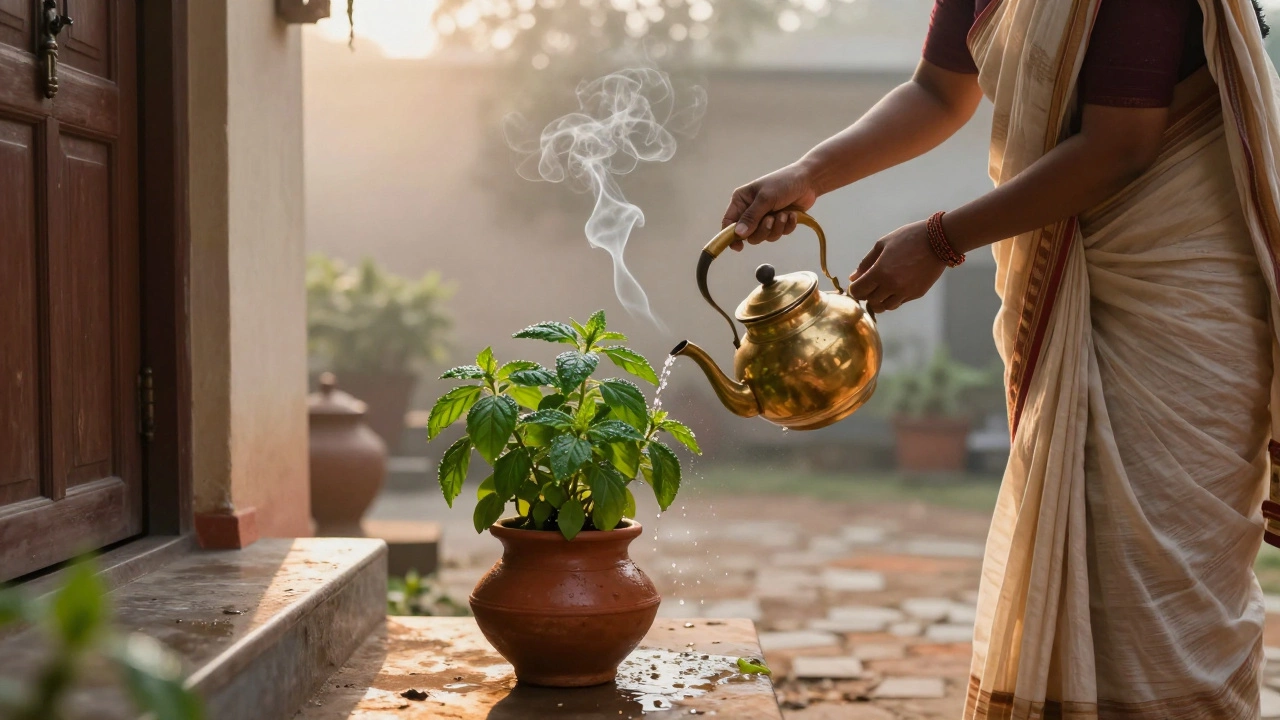
And it’s not just about what tulsi does—it’s about how it’s used. In Indian households, it’s often brewed into tea, mixed into chutneys, or kept near the entrance as a symbol of purity. That’s cultural knowledge passed down, not just medical advice. When you see posts about herbal safety, detox side effects, or even mental health and resilience, tulsi is quietly connected to all of them. It’s the herb that bridges ancient wisdom and modern science, without needing a lab coat to prove its worth.
Below, you’ll find real posts that dig into how tulsi fits into daily health, what science says about its effects, and how it interacts with other treatments—from diabetes meds to stress relief. No fluff. Just what matters.
What Is the King of All Herbs in Ayurveda?
Tulsi, or holy basil, is known as the king of all herbs in Ayurveda for its powerful effects on immunity, stress, and respiratory health. Used daily in Indian households for thousands of years, it’s a natural, safe herb with science-backed benefits.
View MoreLatest Posts