Therapy Usage Statistics: How Many People Really Use Therapy in India?
When we talk about therapy, a structured process where trained professionals help people manage emotional, psychological, or behavioral challenges. Also known as counseling, it’s one of the most effective tools for mental health—but far from everyone uses it. In India, only about 1 in 10 people with mental health issues ever see a therapist. That’s not because therapy doesn’t work. It’s because access, cost, stigma, and lack of awareness keep millions from even trying.
Mental health therapy, a clinical approach to treating conditions like depression, anxiety, trauma, and PTSD, is growing slowly. A 2023 study by the National Institute of Mental Health and Neurosciences found that urban areas have roughly 1 therapist for every 10,000 people. In rural areas? One for every 100,000. Even when people want help, they often can’t find it. And when they do, many avoid it because they fear being labeled "crazy" or weak. That stigma is real—and it’s costing lives.
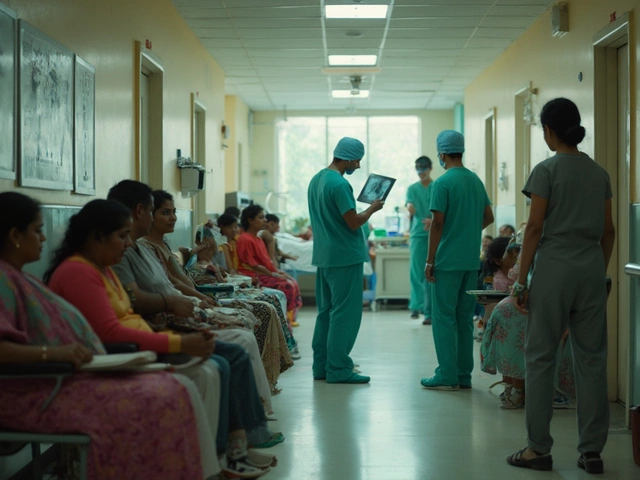
Therapy access in India, the ability of individuals to obtain mental health services without financial, geographic, or cultural barriers is shaped by more than just numbers. Insurance rarely covers therapy. Government clinics focus on medication, not talk treatment. And many people still turn to priests, astrologers, or unlicensed healers before seeing a psychologist. Meanwhile, the people who do get therapy? Mostly young, urban, middle-class women. Men, older adults, and lower-income groups are drastically underrepresented.
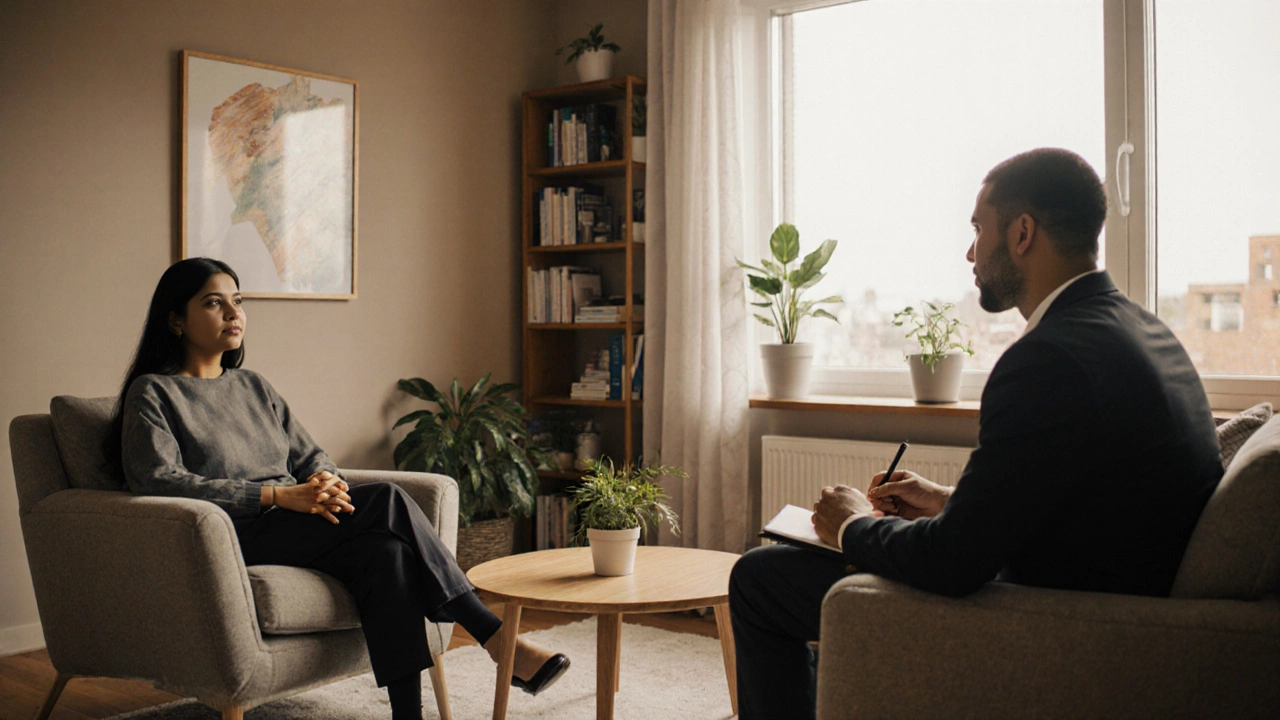
But here’s what the data doesn’t show: the quiet moments when someone finally opens up. The first time they say out loud, "I’m not okay," and someone listens without judgment. Therapy isn’t magic. It doesn’t fix everything overnight. But for people with chronic anxiety, PTSD from domestic violence, or depression after losing a job—it’s often the only thing that brings real relief. And those who stick with it? Studies show 75% see meaningful improvement within 12 weeks.
Why do so few people in India use therapy, even when they need it? The reasons are layered. Cost is one. Distance is another. But the biggest barrier? Silence. The silence around mental health means people don’t know therapy even exists as an option. They don’t know it’s covered under some employer plans. They don’t know it can help with sleep problems, anger, or grief—not just "serious" mental illness.
What you’ll find in these articles isn’t just numbers. It’s stories behind the statistics. You’ll read about how heart surgery patients develop personality changes after surgery—not because of the operation itself, but because their brains were stressed, and no one told them therapy could help. You’ll see how people with diabetes use therapy to manage the emotional weight of daily blood sugar checks. You’ll learn why some patients avoid therapy after cancer diagnosis—not because they don’t need it, but because they think they should just "be strong." And you’ll find out what actually works better than therapy for some: community, routine, movement, and human connection.
Therapy isn’t the only path to healing. But it’s one of the most underused. And understanding why people avoid it—or can’t reach it—is the first step to changing that.
Therapy Demographics 2025: Who Seeks Counseling Most?
Explore who uses therapy most, with gender, age, and socioeconomic insights. Learn trends, barriers, and tips to encourage counseling in 2025.
View MoreLatest Posts