Rib Breaking: Causes, Recovery, and What It Really Means for Your Health
When you hear rib breaking, a fracture or crack in one or more of the bones that protect your chest. Also known as rib fracture, it’s not just a painful moment—it’s a signal your body’s structure has been stressed beyond its limit. Unlike a sprained ankle or a bruised knee, a broken rib doesn’t heal with a cast or a brace. It heals on its own, slowly, while you breathe, cough, laugh, and move. That’s why it’s one of the most frustrating injuries to recover from.
Chest injury, a broad term covering trauma to the ribs, sternum, or lungs is often the cause. Car accidents, falls, sports collisions, or even violent coughing fits can do it. In older adults or people with osteoporosis, even a minor bump can lead to a rib fracture, a break in the rib bone that may not always show up clearly on X-rays. And while some people think ribs are tough, they’re actually quite fragile—especially the lower ones, which are thinner and less protected.
What makes rib breaking so tricky is what it affects: your breathing. Every inhale pulls on the broken bone. Every cough sends a shockwave through the injury. That’s why people with broken ribs often hold their chest, avoid deep breaths, and sleep in strange positions. But holding your breath? That’s dangerous. It raises the risk of pneumonia, especially in older adults. Recovery isn’t about resting completely—it’s about moving smartly. Gentle breathing exercises, upright posture, and avoiding heavy lifting are more helpful than lying still for days.
Doctors don’t usually put casts on ribs. Why? Because they can’t. The only real treatment is time—usually 6 to 8 weeks. Pain management is key. Over-the-counter meds like ibuprofen help, but some people need stronger options. And if the pain is unbearable, or if you’re having trouble breathing, it could mean something worse: a punctured lung, internal bleeding, or damage to the heart or major blood vessels. That’s when you need emergency care, not just a warm compress.
There’s a myth that broken ribs heal faster if you wrap them tightly. Don’t do it. Tight bandages restrict breathing, increase infection risk, and don’t speed up healing. They’re outdated advice. What helps? Ice in the first few days, gentle movement after the first week, and staying active within your pain limits. Walking is better than sitting. Sitting is better than lying flat.
And if you’ve had a rib injury before, you know how it lingers. Even after the bone mends, the muscle around it can stay tight. Scar tissue forms. You might still feel a dull ache months later, especially in cold weather or after a long day. That’s normal. But if the pain flares up again without reason, get it checked. Re-injury is common if you rush back to lifting, sports, or heavy work too soon.
The posts below cover real stories and science behind rib breaking—from what triggers it, to how it connects to heart surgery recovery, why some people feel it more than others, and how pain management overlaps with mental health. You’ll find advice on what to tell your doctor, how to avoid complications, and what recovery really looks like when you’re not just healing a bone, but learning to breathe again.
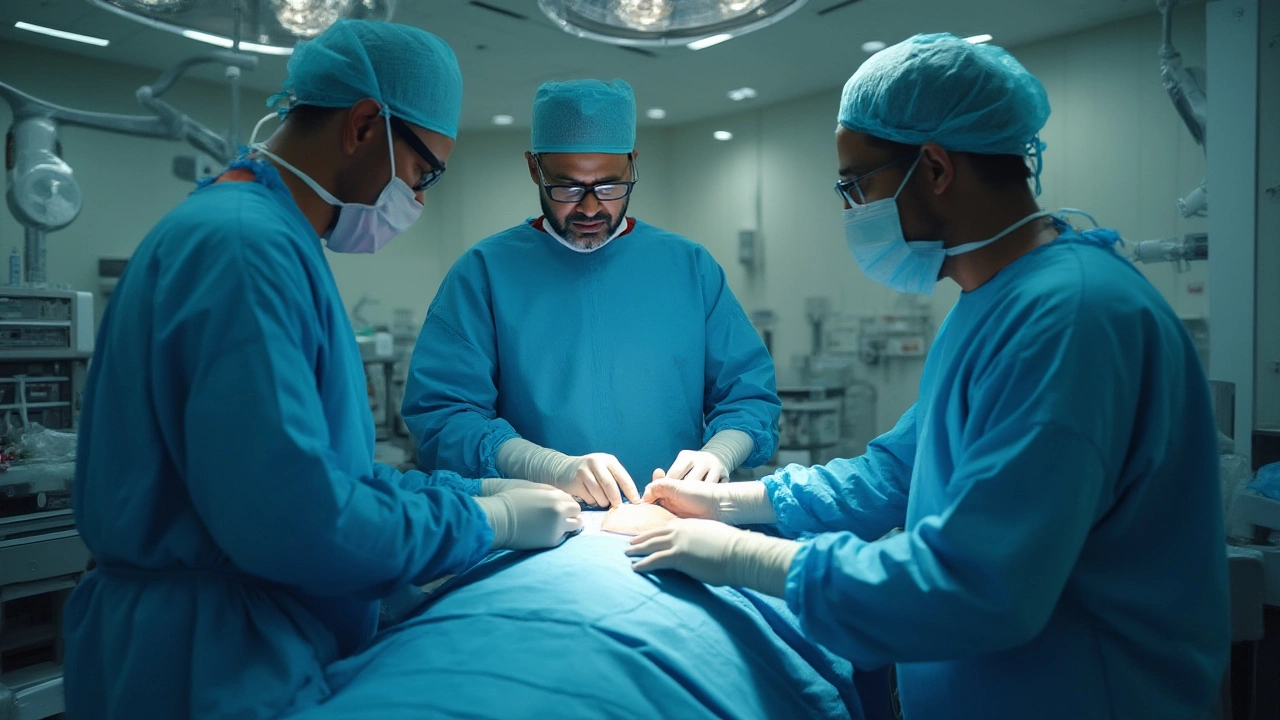
Do They Still Break Ribs for Open-Heart Surgery? The Real Story on Sternotomy and Modern Heart Surgery
Are ribs still broken in open-heart surgery? Learn how surgeons access the heart, common myths, and what new techniques mean for patients facing cardiac surgery.
View MoreLatest Posts