Radiation Therapy: What It Is, How It Works, and What to Expect
When you hear radiation therapy, a targeted cancer treatment that uses high-energy rays to destroy cancer cells. Also known as radiotherapy, it’s one of the most common ways doctors fight cancer—often used alongside surgery or chemotherapy. It’s not magic, but it’s precise. Unlike chemo, which travels through your whole body, radiation focuses on the tumor site, sparing healthy tissue as much as possible.
It’s not just for one kind of cancer. Radiation therapy is used for breast, lung, prostate, head and neck cancers, and even some brain tumors. The goal? Shrink tumors before surgery, kill leftover cells after surgery, or ease pain when a cure isn’t possible. In India, access to radiation therapy has improved, but it’s still uneven—many patients travel long distances for treatment at government or private oncology centers.
Side effects are real, but they’re often manageable. Fatigue, skin redness like a sunburn, and nausea are common. What you feel depends on where the radiation hits. Head and neck treatment might cause dry mouth or trouble swallowing. Pelvic radiation can lead to bladder irritation. These usually fade after treatment ends, but some effects, like tissue scarring or long-term fatigue, stick around. That’s why doctors tailor the dose and timing carefully—every patient is different.
It’s not just about the machine. Radiation therapy needs a team: radiation oncologists, medical physicists, dosimetrists, and nurses all work together. The planning alone can take days. You’ll lie still in a mold, get scanned, and have tiny marks placed on your skin so the beam hits exactly where it should. No one likes being pinned down, but this precision is what makes it work.
And while radiation therapy is powerful, it’s not always the first choice. For some cancers, surgery or newer immunotherapies are preferred. But for others—like early-stage prostate cancer or certain lymphomas—it’s the gold standard. In India, where early detection is still a challenge, radiation often becomes the main tool when cancer is found at a later stage.
What you’ll find here are real stories and facts from people who’ve been through it. You’ll read about how radiation affects the brain after cancer treatment, how it ties into overall survival rates, and how side effects can overlap with other treatments like chemotherapy. There’s no sugarcoating—it’s tough. But it’s also a lifeline for millions.
Main Treatments for Cancer: An Insightful Overview
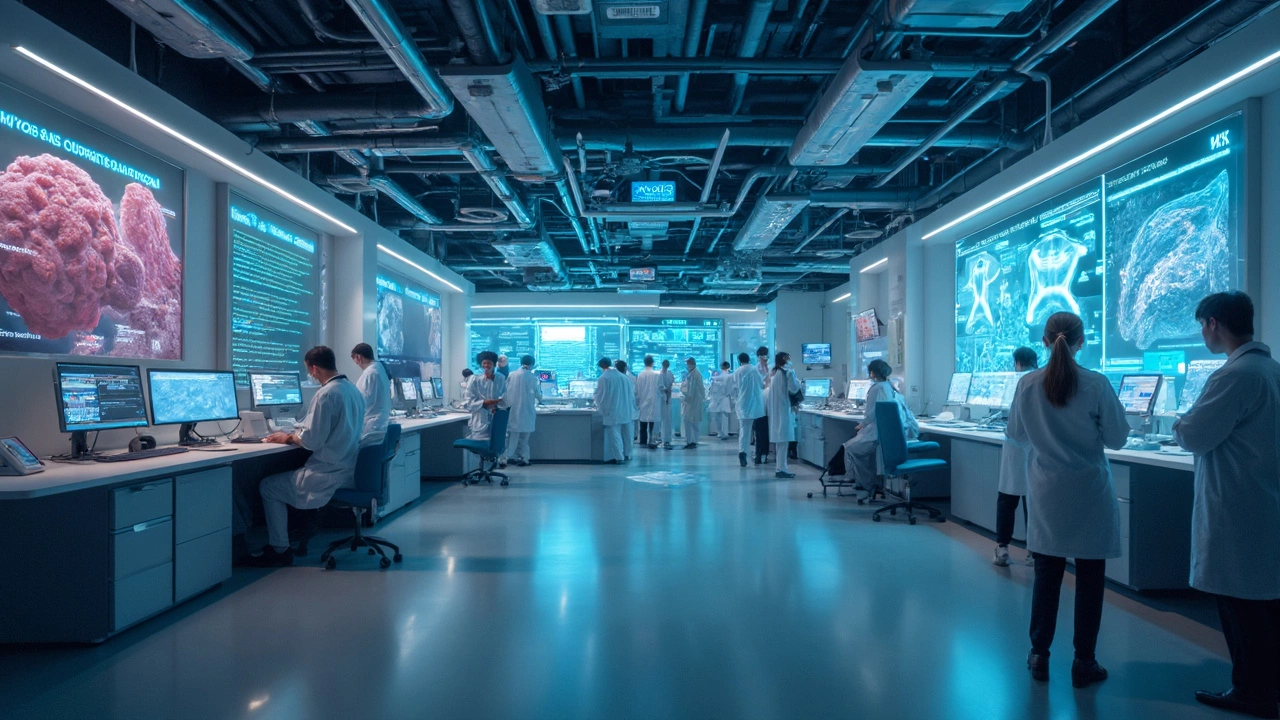
Cancer treatment is constantly evolving with advancements in medical research. This article delves into the primary treatments used today, which include surgery, chemotherapy, radiation therapy, and immunotherapy. Learn about how each method works, their effectiveness, and interesting insights about emerging treatments. With thoughtful exploration, find what questions to ask and considerations to make if faced with a cancer diagnosis.
View MoreLatest Posts